Parque de las Leyendas is Lima's main zoo, a park of about 97 hectares in the San Miguel district that groups its animals by Peruvian coast, Andes and jungle, then adds an international section. Pre-Inca huacas stand among the enclosures, so it doubles as a small archaeological site. Allow three to four hours, go by taxi from Miraflores or the centre, and treat it as a family outing rather than a must-see for a short first visit to Lima.
Map
What Parque de las Leyendas is
Parque de las Leyendas is the zoo of Lima, and one of the few places in the capital where a whole afternoon can be spent outdoors without a beach or a restaurant table. Its full official name honours its founder, the conservationist Felipe Benavides Barreda, and it sits in the residential district of San Miguel, west of the historic centre and inland from the Costa Verde cliffs. The grounds cover roughly 97 hectares, which makes the walk between sections longer than most visitors expect.
The park is run by the city, the Metropolitan Municipality of Lima, and it works as three things at once: a zoo, a botanical garden and a collection of archaeological remains. Most of the crowd is local families, school groups and weekend picnickers, so the atmosphere is closer to a big city park than to a polished wildlife attraction.
Compared with the other sights in Lima, it is a different kind of visit. The colonial centre, the museums and the cliff-top districts are about architecture, food and art; this is a day for animals, shade and children. If you are weighing it against the rest of the city, things to do in Lima puts it in context.
A short history of the park
The park opened in 1964, during the first government of Fernando Belaúnde Terry, on land in the Pando area of San Miguel. The name refers to the Inca and pre-Inca legends that were once illustrated on the entrance walls. The paintings were removed years ago, and only the texts remain, gathered in a courtyard of legends near the start of the visit.
Several animals came from an older zoo in Barranco that closed, among them a Tumbes crocodile named Naylamp and two giant Galápagos tortoises, which became part of the park's own story. Administration passed through various national bodies until a law of 2007 gave it to the municipality of Lima, which runs it today through a board of trustees.
A second site, the Huachipa zoo in the Ate district, came under the same board in 2023. It is a separate place with its own grounds, aquarium and savannah areas, so check that you are heading to the San Miguel park when you book a taxi or a tour.
Tours and activities
Bookable online, chosen for their traveller reviews.
-
★ Top rated From €52 per person
-
★ Top rated From €85 per person
-
★ Top rated From €94 per person
-
★ Top rated From €55 per person
The huacas under the animals
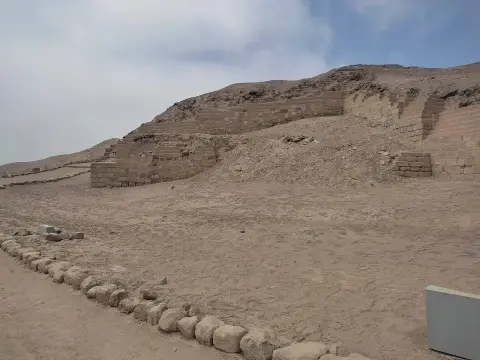
What distinguishes the park from an ordinary zoo is the archaeology. The land holds dozens of pre-Hispanic mounds, called huacas, built of adobe and stone by the cultures that farmed this part of the Rímac valley long before the Spanish founded Lima. Sources count about 54 remains inside the park, with names such as San Miguel, La Palma, Tres Palos and Cruz Blanca. The huaca called La Palma is known for friezes showing a seabird, the booby.
Not all of it can be visited. Reports suggest that only a couple of mounds, Huaca San Miguel and Huaca Cruz Blanca, are open to walkers, usually with a guide, while the rest are fenced or under study. Ask at the entrance what is open on the day.
There is also an on-site museum named after the German scientist Ernst Middendorf, which displays pieces found in the park's mounds. If ruins are your main interest, Huaca Pucllana in Miraflores is easier to understand in an hour, and Pachacamac is the much larger site; the park works best as a bonus to the animals.
The animal zones
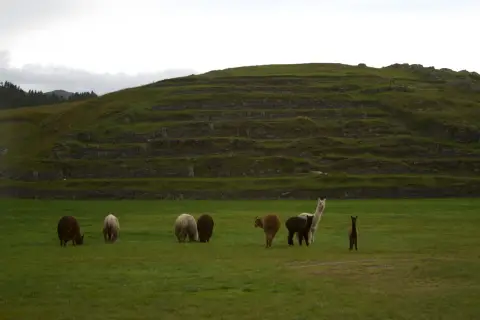
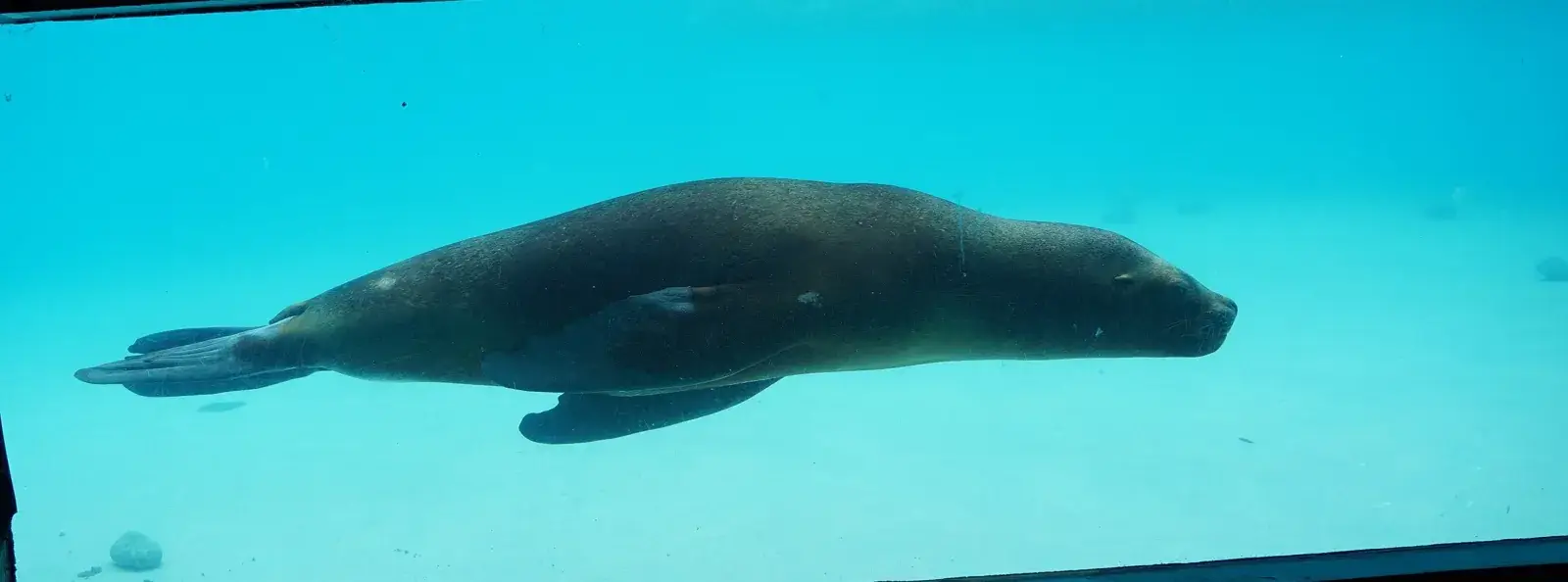
The zoo is arranged geographically, which is the clearest way to understand it. The coast section holds sea lions, Humboldt penguins, pelicans, flamingos and birds of the guano islands, and a sea lion aquarium hosts a regular show. The Andes section shows condors, pumas, vicuñas and other camelids, with a reproduction of a highland setting.
The jungle section is divided into high and low rainforest. It is where the park keeps animals from the Amazon basin, among them spectacled bears, jaguars, giant otters and macaws, with an island for monkeys. A fourth international area has species from other continents, including a Rothschild's giraffe, Grévy's zebra and an Indian rhinoceros.
Animal collections change as individuals die or arrive, so do not plan the day around one particular animal. The Peruvian sections are the most interesting for a foreign visitor, because they let you see in one afternoon what would otherwise take several flights and a lodge stay. Welfare standards in municipal zoos in the region are uneven, and the park has had periods of criticism; it is fair to arrive with that in mind.
Botanical garden and museums
The botanical garden, opened in 2012, is a quieter corner of the park. It is known for collections of cacti, ferns, bromeliads, conifers and agaves, and it is a useful stop for the plants of the dry Peruvian coast and the Andes, which differ sharply from anything in a European garden. Shade is rare in the rest of the park, so the garden is also a place to sit.
Beyond the Middendorf museum there are a few smaller museums, including one on the mining and petroleum industries and one named after Kalinowski, a naturalist, which holds stuffed and preserved specimens of Peruvian fauna. They are modest but free of the queues that build at the main enclosures, and they help if it is hot or if children need a break from walking.
Do not expect interpretive signage in English across the whole park. Labels on enclosures give the animal's name and origin, but the longer explanations are mostly in Spanish, so a little preparation or a guide helps.
Getting there from central Lima
San Miguel is a residential district between Miraflores and the airport, and the park sits in its interior. There is no rail link, and public buses are slow and crowded, so most visitors take a taxi or a ride-hailing app from Miraflores, Barranco or the historic centre. The journey takes anywhere from about twenty minutes on a quiet Sunday morning to an hour or more in rush-hour traffic, so avoid weekday evenings.
See taxis and ride-hailing in Peru for how to order and pay safely. Agree the destination clearly: ask for the Parque de las Leyendas in San Miguel, not for the Huachipa zoo, which lies on the other side of the city. Returning is easy by app, but on busy weekends pick-up points get crowded, so be ready to walk to a side street.
If you are staying near the airport, the park is a short ride, which makes it a possible stop on a long layover with luggage stored; read the airport transfer guide for the logistics. A hotel in Miraflores or Barranco is the more common base.
Tickets, hours and when to go
The park is generally open every day of the week, including holidays, from the morning to the late afternoon, with the last ticket sold a little earlier than closing. Prices are low by international standards, with lower rates for children and for older visitors, and free entry in some cases such as people with disabilities. Exact numbers change, so check the official website before you go.
For comfort, arrive at opening time. Mornings are cooler and the animals are more active; by midday the sun on the open paths is strong, even under Lima's grey winter sky. Weekends and school holidays are crowded, with long queues at the entrance and the sea lion show. A weekday morning is much calmer.
Lima's weather follows a clear pattern: grey, humid and cool from roughly May to November, warm and sunny from December to April. See weather by region for details. Summer is better for a day outdoors, though the park has no real shelter from the sun, so bring a hat, sunscreen and water.
Who it suits and how to combine it
The park is best for families with children, for travellers who like zoos, and for anyone with a spare half day who wants something that is not a church or a museum. It is less compelling for travellers with only one or two days in Lima, who will get more from the centre, a cliff walk and a good lunch.
Allow three to four hours, and more if you want the huacas and museums. There is a food area, but it is basic; eating before or afterwards is simpler. Walking is on paved paths with some slopes, and a stroller works on most of them. Keep a bag zipped and your phone out of sight in crowds, as advised in safety in Peru.
A natural pairing is the afternoon at the Magic Water Circuit, whose illuminated fountains are in the evening, because the two sites are on different sides of the centre and a taxi covers both in one trip. For a wider plan with young travellers, Peru with kids in 10 days fits Lima in at the start. Local operators also sell tours in Lima that include the park.
Where to sleep
-
Find hotels
Miraflores
Easy first base: restaurants, parks and the cliff-top walk
-
Find hotels
Barranco
Art, nightlife and a seaside feel, quieter by day
-
Find hotels
San Isidro
Calm business district with parks, close to Miraflores
-
Find hotels
Historic Centre
Colonial sights on the doorstep, busy by day and quiet at night
Frequently asked questions
How long does a visit to Parque de las Leyendas take?
Most visitors need three to four hours to cover the main zoo sections at a normal pace. Add an hour if you want the botanical garden, the museums and a guided visit to a huaca. Visiting with small children usually takes longer than planned because of rest and snack stops.
Is Parque de las Leyendas worth visiting?
Yes, for families and for travellers who like zoos, since the Peruvian coast, Andes and jungle sections let you see local wildlife in one place. It is less essential on a short trip to Lima, where the centre and the cliffs offer more variety. The huacas inside are a pleasant bonus rather than the main reason to go.
How do I get to Parque de las Leyendas from Miraflores?
By taxi or ride-hailing app, which is the simplest option. The journey is short on a quiet morning and much slower in rush hour, so leave early. Ask for the park in San Miguel, as the Huachipa zoo is a different place; see taxis and ride-hailing.
What is the difference between Parque de las Leyendas and the Huachipa zoo?
They are two separate sites, now run by the same board. The San Miguel park is the older one, with the huacas, botanical garden and museums. The Huachipa zoo lies in the Ate district and has its own aquarium and savannah area.
Can I see archaeological sites inside the park?
Yes. The park holds dozens of pre-Hispanic mounds, but only a few are open to visitors, usually with a guide. For a fuller archaeological visit, combine it with Huaca Pucllana or Pachacamac.
What is the best time of day to visit?
Arrive when the gates open. The morning is cooler and quieter, and the animals are more active before the midday heat. Weekdays are far less crowded than weekends and school holidays.
Is the park suitable for young children and strollers?
Yes, it is designed for families and most paths are paved. The grounds are large and the sun is strong, so bring water, a hat and snacks, and expect to walk a lot. Read Peru with kids for more ideas on pacing.