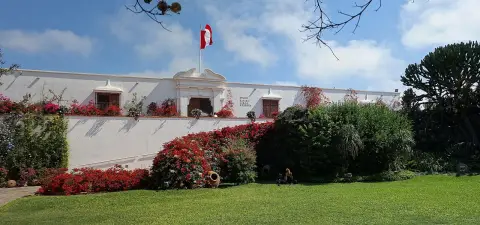
The National Museum of Archaeology, Anthropology and History of Peru is the country's oldest national museum, in the Pueblo Libre district of Lima. Its collection includes the Raimondi Stela, the Tello Obelisk and Paracas textiles. It was announced to close for a long rebuilding from 28 February 2025, so confirm with the museum that any galleries are open before travelling there. If they are not, the Larco Museum and the excavated sites around Lima cover much of the same ground.
Map
What this museum is
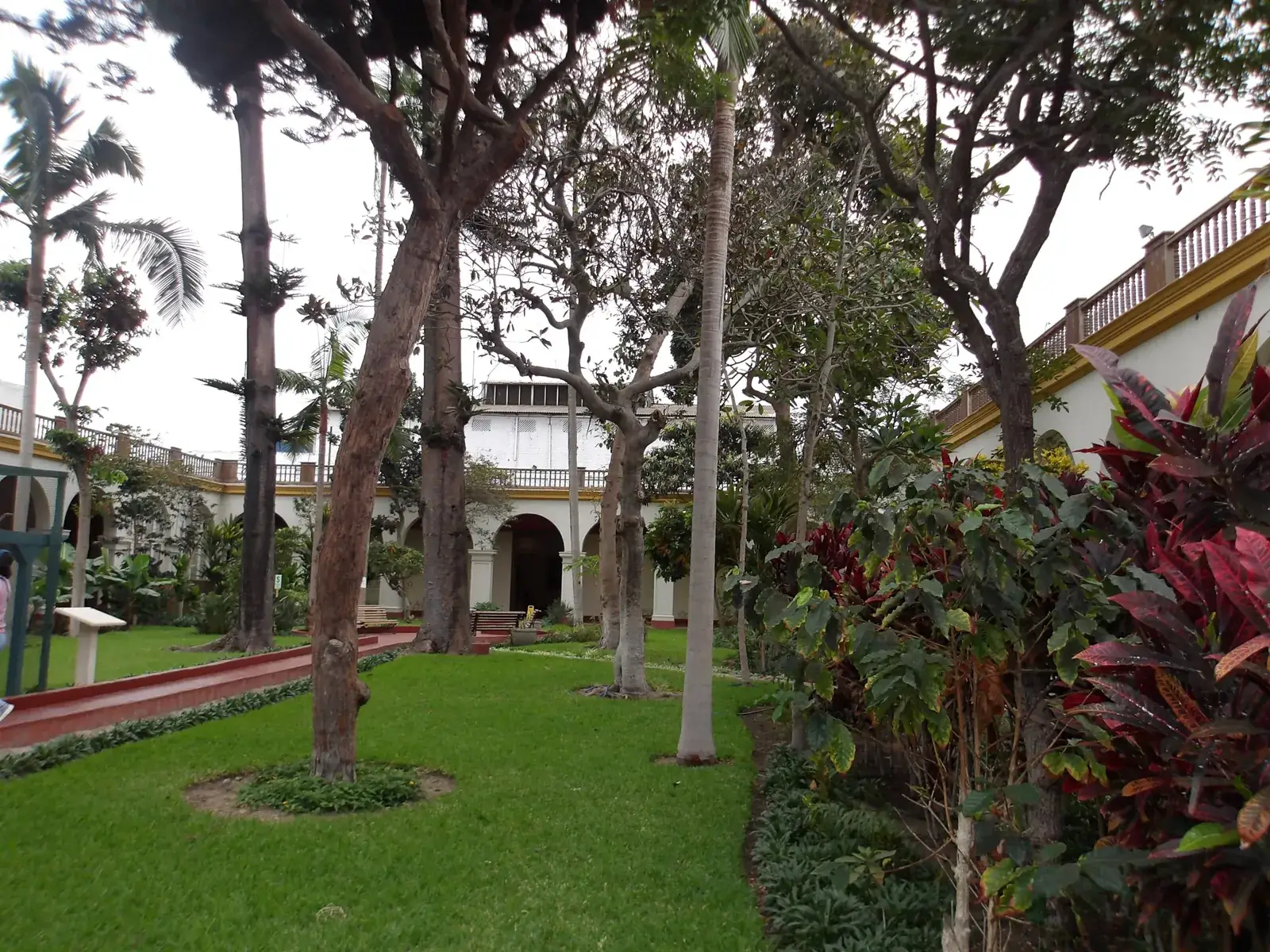
The National Museum of Archaeology, Anthropology and History of Peru (often abbreviated MNAAHP) stands in Pueblo Libre, a residential district between the historic centre and the coast. It is the broadest of Lima's museums: rather than one collection or one family's taste, it was built up by the state over two centuries to cover the whole of Peruvian prehistory and, in its historical rooms, the colonial and republican periods.
Its roots go back to 1822, when a first national museum was founded under the protectorate of José de San Martín. Most of that first collection was lost during the Chilean occupation of Lima in the War of the Pacific, and the museum was recreated in 1905. Over the following decades it was split, merged and renamed several times, and the present institution dates from the 1992 merger of the archaeology and history museums. That tangled history explains why the name is so long.
The main entrance is on Plaza Bolívar, in the same district as the Larco Museum, about a 20-30 minute taxi ride from Miraflores depending on traffic.
The pieces that make it important
Most visitors come for a handful of objects that cannot be seen anywhere else. The Raimondi Stela is a carved granite slab from the temple site of Chavín de Huántar, in the highlands of the Ancash region. Its snarling, many-faced deity is one of the best-known images of the Chavín culture, which flourished in the first millennium BC and influenced art across the Andes. It is the one piece said to have survived the looting of the first collection.
The Tello Obelisk, another carved monolith from Chavín, is named after Julio C. Tello, the archaeologist who is often called the father of Peruvian archaeology and who directed the museum in its early decades. Its surface is covered in interlocking animal figures that take time to read; the labels, where available, help.
The museum also holds the Crossed Hands of Kotosh, a clay relief from one of the oldest known ceremonial sites in the central Andes, and a large series of Paracas textiles, the embroidered burial mantles of the south coast. Viceregal paintings, many of them from the Cusco School, and works from the early republic fill the historical rooms. A scale model of Machu Picchu is also on display.
Tours and activities
Bookable online, chosen for their traveller reviews.
-
★ Top rated From €52 per person
-
★ Top rated From €85 per person
-
★ Top rated From €94 per person
-
★ Top rated From €55 per person
Why Paracas textiles and Chavín matter
Understanding two of the collection's strengths makes a visit, or a decision to skip it, easier. The Paracas mantles come from burials on the Paracas peninsula, on the south coast, dating from roughly two thousand years ago. The dry desert preserved wool and cotton cloth whose embroidered figures keep much of their colour, and the museum's holdings are among the most important in the world for the Paracas tradition. If you plan to continue to Paracas or the Nazca Lines, seeing these first makes the local landscape more meaningful. The wider story of Andean cloth is covered in textiles in Peru.
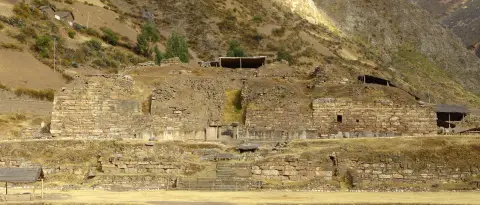
Chavín is the early highland culture whose ceremonial centre sits high in the Andes, a long day's journey from Lima and usually visited from the Huaraz area. Because the original temple cannot be moved, the museum is where the portable carved stones can be studied up close. For the broader sequence of cultures before the Incas, see pre-Inca civilisations.
Getting there and what to allow
Pueblo Libre is not on a tourist route, and public transport is slow for visitors who do not know the system. The simplest option is a taxi or ride-hailing app from Miraflores, Barranco or the historic centre; taxis and apps in Peru explains how to use them safely. Ask the driver to wait or arrange the return trip in advance, since the museum sits on a quiet residential square.
If the galleries are open, allow two to three hours for a reasonable visit, longer if you enjoy reading every label. The museum is large and the displays are dense, so most visitors choose a few themes rather than trying to see everything. Check the official website for current opening days, entrance fees, last admission and any restrictions on photography or bags.
Several rooms have historically been closed at various times because of repairs, which is why a recent confirmation from the museum is worth more than any guidebook or review.
If the museum is closed or partly open
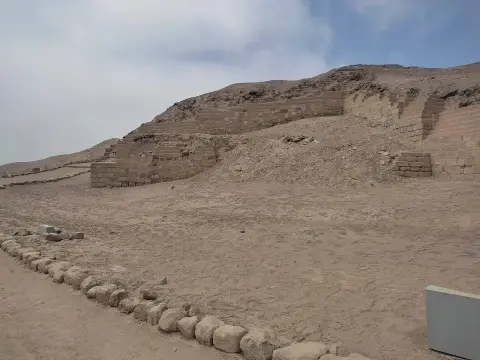
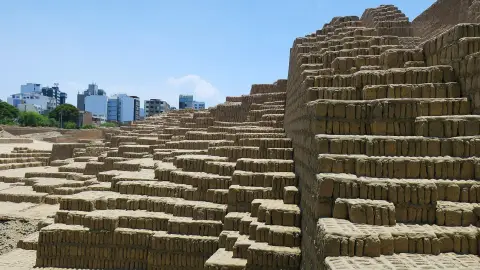
A closure does not mean you must go without pre-Columbian Lima. The nearest alternative is the Larco Museum, a few minutes away in the same district, which offers a well-labelled sweep of Peruvian ceramics and gold. For excavated sites inside the city, Huaca Pucllana in Miraflores is an adobe pyramid that can be visited with a guide, and Pachacámac, a short drive south, is the largest archaeological complex near the capital.
The new National Museum of Peru at Lurín, south of Lima, opened in 2021 as the planned future home of the national collections, but reports indicate it has also been closed to visitors since December 2024, so it is not a dependable substitute. The general museum overview in museums in Peru lists other options around the country.
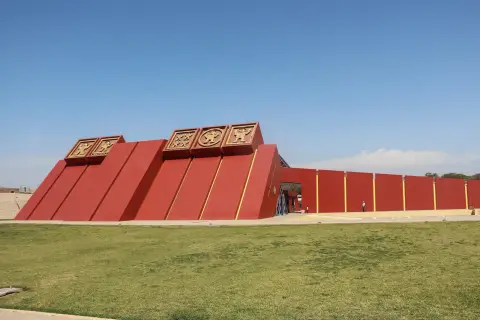
Travellers heading north can see related material at Chan Chan and its museum, which puts the coastal cultures in their original setting.
Who it suits and how to combine it
The museum suits travellers who want the full chronology rather than a single culture: students of archaeology, anyone planning to visit Chavín, Paracas or Nazca, and people with a long stay in Lima. It is less suited to a short stopover, where the historic centre and one focused museum will give a better return on limited time.
Since Pueblo Libre has several points of interest close together, the Larco Museum and a stop on Plaza Bolívar fit naturally into the same morning. Independence-era history, including the period when the area was linked with the liberators, is part of why the district has such a museum cluster; independence in Peru gives the background.
For a wider plan, see things to do in Lima or the main Lima guide. Guided options that include museum stops are described under Lima tours.
Where to sleep
-
Find hotels
Miraflores
Easy first base: restaurants, parks and the cliff-top walk
-
Find hotels
Barranco
Art, nightlife and a seaside feel, quieter by day
-
Find hotels
San Isidro
Calm business district with parks, close to Miraflores
-
Find hotels
Historic Centre
Colonial sights on the doorstep, busy by day and quiet at night
Frequently asked questions
Is the National Museum of Archaeology in Lima open?
It was announced to close from 28 February 2025 for a rebuilding expected to last years, and no reopening date was confirmed in the sources checked. Check the official website or ask the Ministry of Culture before going. Do not rely on older reviews or opening hours.
What is the most famous object in the museum?
The Raimondi Stela, a carved granite slab from Chavín de Huántar, is the best known. The Tello Obelisk, the Crossed Hands of Kotosh and the Paracas textiles are the other highlights people ask for.
Is it the same as the Museo Nacional del Perú in Lurín?
No. The Pueblo Libre museum is the historic institution. The Museo Nacional del Perú at Lurín is a newer building planned to house the national collections, and it has also been reported closed to the public since December 2024.
How far is it from Miraflores?
It is in Pueblo Libre, roughly a 20-30 minute taxi ride from Miraflores in normal traffic, longer at rush hour. Use a licensed taxi or a ride-hailing app, and see taxis and apps for how they work.
Should I visit this museum or the Larco Museum?
The Larco Museum is smaller, privately run and easier to visit, with an emphasis on ceramics and gold. The national museum is broader and holds unique pieces such as the Raimondi Stela. If the national museum is closed, the Larco Museum is the obvious choice.
How long does a visit take?
When the galleries are open, two to three hours is a reasonable allowance. Pick a few themes, such as Chavín stone carving and Paracas textiles, rather than trying to see everything.
Where can I see Chavín if the museum is closed?
The original temple at Chavín de Huántar is in the Ancash highlands and is usually reached from Huaraz. It is a long journey from Lima, so plan it as part of a highland trip rather than a day excursion from the capital.