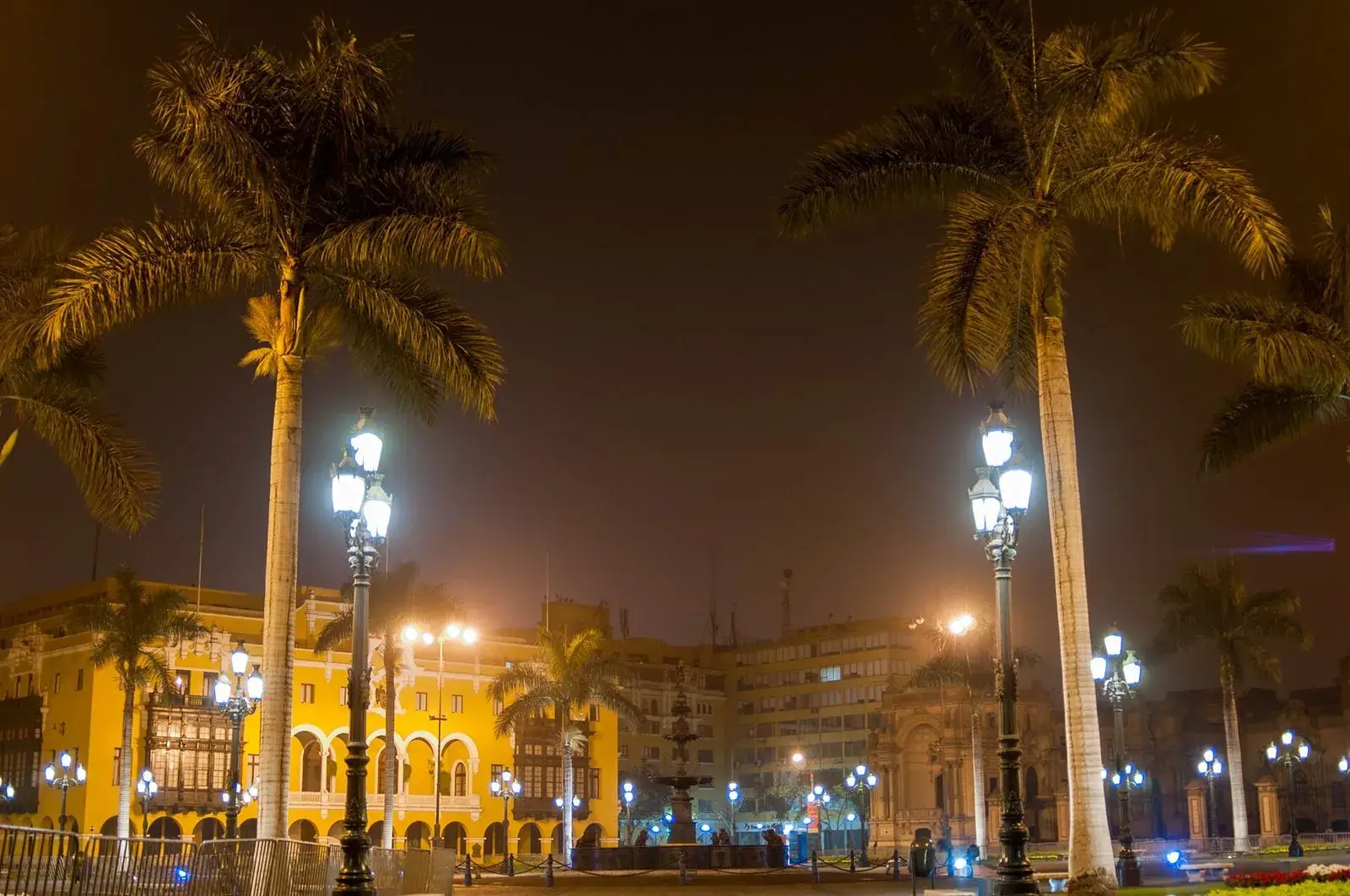
Yes, for most visitors, but with a condition: two days is the right amount, and the reason to stay is food, history and a gentler start to the trip, not the scenery. It depends on your priorities. If you want to maximise time in the Andes, a single night near the airport and an early flight to Cusco is a fair choice.
The honest case for staying
Lima is not Peru's most beautiful city, and many visitors are surprised by how sprawling and grey it can feel, particularly in the cloudy months. But it has genuine strengths that you will not find elsewhere in the country.
The food is the main one. Lima is where many of Peru's best-known restaurants and a wide range of casual places are concentrated, and a couple of good meals can be among the highlights of a trip. The city also has serious museums covering pre-Columbian cultures, a historic centre with colonial buildings and a cliff-top coastline with parks and sea views.
It is also a practical place to start. Lima is at sea level, so you can recover from a long flight and get used to the country before heading to the altitude of Cusco. Many international flights arrive late at night, and a first night here is often unavoidable anyway. For the full picture of the city, see Lima.
What two days looks like
A sensible split is one day for the historic centre and a major museum, and one day for the coast and neighbourhoods such as Miraflores and Barranco, finishing with a good dinner. A morning at an archaeological site within the city, a food tour or a cooking class can replace part of the museum time if that suits you better.
With a third day you can add a trip to a pre-Inca site outside the centre or a longer walk along the coast. Beyond that, the returns drop quickly unless you are especially interested in food, art or history. For how to group the sights so you are not crossing the city in traffic more than once a day, see things to do in Lima.
The sights that justify the stay
Three things stand out. The first is the historic centre, with its main square, cathedral and colonial balconies; see the historic centre. The second is the Larco Museum, a pre-Columbian collection housed in a restored mansion, which gives context that will make the rest of your trip richer; see the Larco Museum. The third is the coast, with its clifftop parks and sunset views.
Beyond these, a pre-Inca adobe pyramid stands in the middle of a residential district, and the sanctuary at Pachacamac lies outside the city. Pachacamac needs a half-day and is the choice for archaeology lovers; see the Pachacamac.
None of these is as striking as Machu Picchu, but together they explain a great deal about the cultures that came before the Incas, a view that is easy to miss if you go straight to Cusco.
The food argument
If one reason justifies two days in Lima, it is lunch and dinner. The city's cooking brings together coastal seafood, Andean ingredients and the influence of Chinese and Japanese immigrants, and it is cheaper to taste this range here than to chase it across the country later. Ceviche at lunchtime, a tasting menu or a simple chifa dinner, and a pisco drink in a bar make a good day.
For what to eat and how to read menus, see Lima food. A food tour is a useful shortcut if you arrive with little time and want to sample several dishes with someone who knows where to go.
Do book ahead for the best-known restaurants, as many fill up days or weeks in advance. Those who care less about food will find that the argument for staying is weaker.
Who should skip it
Short trips of five days or fewer, aimed squarely at Machu Picchu: keep Lima to a night or a long layover. You will use your limited time better in Cusco and the Sacred Valley. The five-day itinerary shows how little room a short trip leaves.
Travellers who dislike big cities, traffic and noise: you may find Lima tiring, and a quiet hotel in a calmer district can ease this.
Visitors who have a very specific Andean or Amazon goal and will return to Lima only for the flight home: transit and move on.
On the other hand, food lovers, museum-goers, anyone arriving with jet lag and travellers with extra time should give it a proper two days. For how to move on when you are ready, see Lima to Cusco.
Where to base yourself if you stay
Most visitors choose between two coastal districts. Miraflores is the practical, polished choice with the widest range of hotels, restaurants and services, while Barranco is the bohemian neighbourhood with galleries, bars and a livelier evening scene. For which suits which kind of traveller, see Miraflores or Barranco.
The historic centre is a day-trip location for most visitors rather than a base, since it is busier by day and quieter at night. If you land late and leave early, a hotel closer to the airport can be the sensible option, though you give up the atmosphere of the coast.
Whichever district you choose, plan how you will get around: use registered taxis or ride-hailing apps rather than hailing cars in the street, and allow extra time for traffic.
The verdict
Worth two days if you enjoy food, culture and urban walking, or if you need an easy start at sea level. Not worth more than one night if your sole aim is the Andes and the ruins. The answer changes with the length of your trip: on ten days or more, two days in Lima is easy to justify; on five days, it is a luxury.
If you do decide to stay, spend the first day on the centre and a museum, the second on the coast, and try to eat one meal that you could not easily have anywhere else. That one meal is often what visitors remember most about the city.
Frequently asked questions
Is one day in Lima enough?
It is enough for a taste: the historic centre or one major museum, plus a coastal walk and a good meal. Two days is more comfortable.
Should I stay in Lima or go straight to Cusco?
If you arrive early in the day and want to maximise Andean time, you can connect on. Many people stay a night to rest first and then fly to Cusco, which is gentler on the body.
Is Lima safe for tourists?
The main visitor districts are used to tourists, and most visits go smoothly with sensible precautions. Use registered taxis or ride-hailing apps, and read our safety before you go.
What is the best time of year to visit Lima?
The sun is more reliable in the southern summer, while the winter months are often grey and damp. The city is worth visiting all year, but expect cloud outside summer.
Is Lima expensive compared with the rest of Peru?
It has the widest range of prices in the country, from simple lunch counters to expensive tasting menus. The high end is dearer than in other cities, while casual food can be cheap.
How do I get from the airport to the centre or the coast?
By taxi, pre-booked transfer or ride-hailing app, all of which take a long time in traffic. See our airport transfer for what to consider.
Can I see Lima on a layover?
With a long layover and an early arrival, you can do a short taxi trip to the coast or the centre, but allow plenty of time to return, because traffic is unpredictable. Do not cut it fine before an international flight.