Vichayito and Las Pocitas are the quiet side of the Máncora coast: long, open beaches with small hotels, bungalows and beach restaurants, a short mototaxi or taxi ride south of the town. They suit travellers who want sun and sea without the noise of the main strip. Expect fewer shops and fewer services, and plan meals and transport with that in mind.
Map
Where these beaches are
Las Pocitas and Vichayito are stretches of coast on the Pacific shore, south of Máncora, in the Talara province of the Piura region. Las Pocitas lies closest to the town, while Vichayito follows further south and runs towards the fishing town of Los Órganos. Sources disagree on exact distances between them, so check a map when you choose a hotel; Vichayito is commonly described as roughly ten kilometres from Máncora.
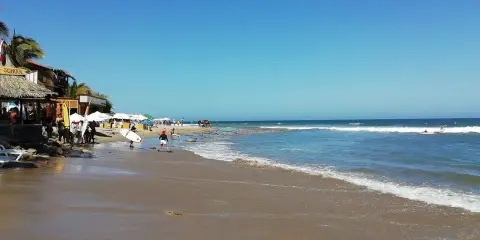
Neither place is a town in the usual sense. The coast is a loose line of low buildings, boutique hotels, private houses and beach restaurants set behind the sand, with the highway a short distance inland. A small village feel survives in places, with a few local shops and the occasional fisherman's boat pulled up on the beach.
These beaches were built up as an answer to the busy centre of Máncora. They share its climate and its sea, but the atmosphere is different: more families and couples, fewer bars, and evenings that tend to be quiet.
What the beaches are like
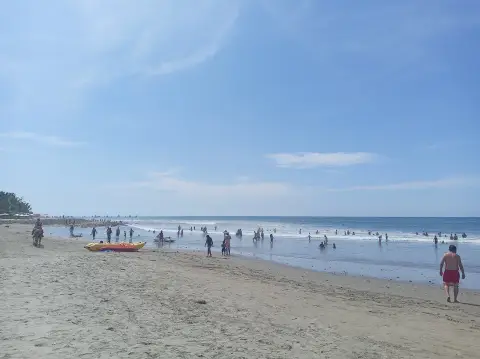
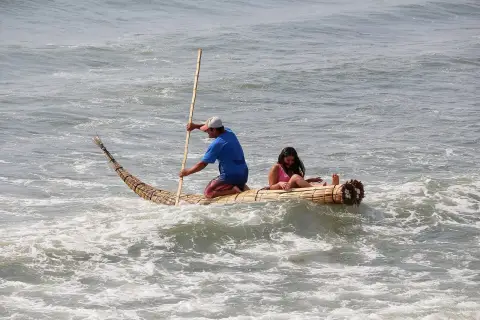
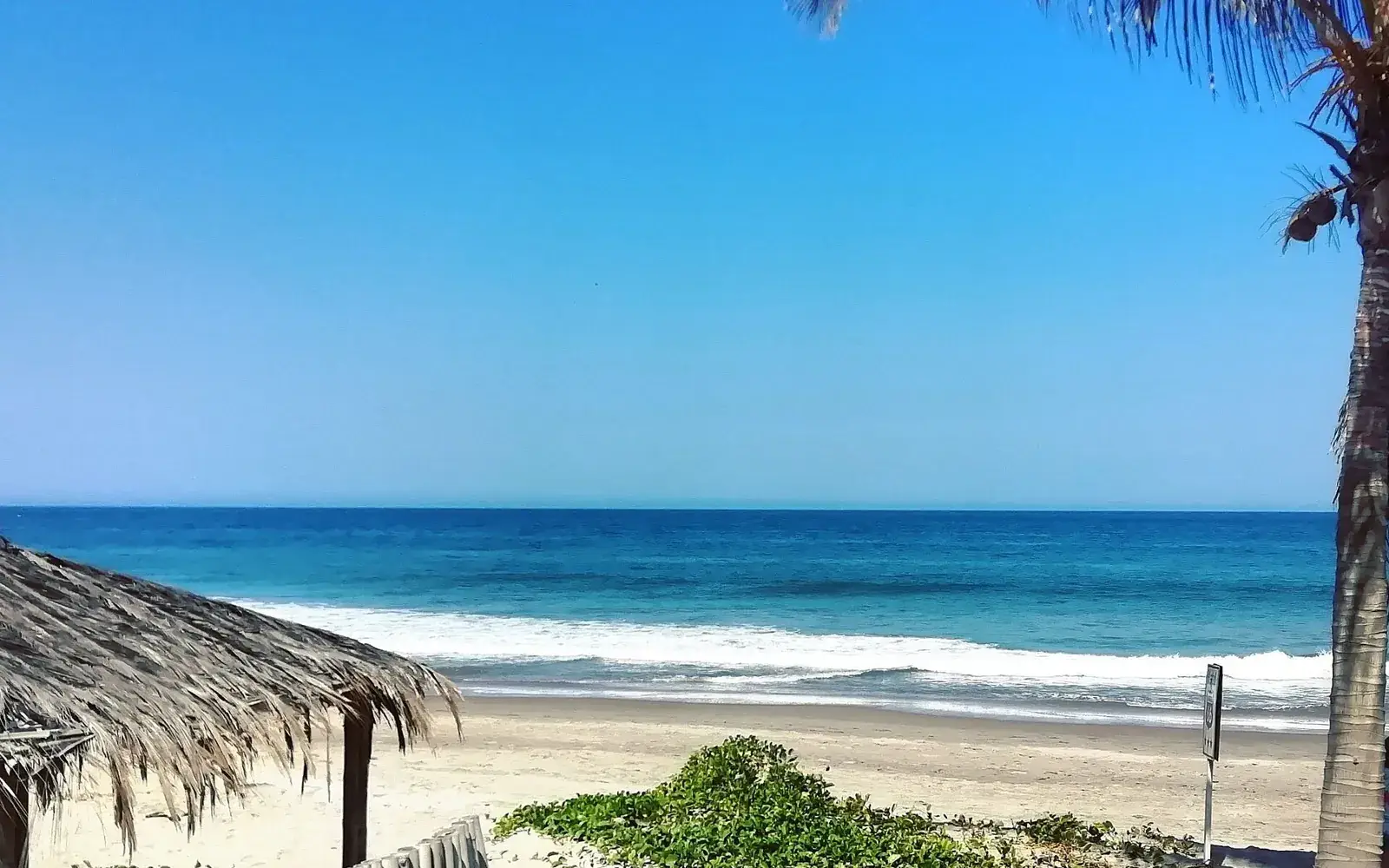
The sand is wide and generally pale, and the beach is long enough that you can walk for a good while without meeting a crowd. The main sights are simple: sunsets over the Pacific, pelicans and other seabirds, and fishing boats working close to shore. The sea is part of the Máncora region's warmer water, which is a large part of why people come.
Conditions are not the same everywhere. Some sections have gentle waves and are pleasant for swimming, while others face stronger swell and a steeper beach where currents can be an issue. Ask your hotel which stretch is best for swimming on the day, and take the advice of local lifeguards or staff seriously. Not every section is patrolled.
Kitesurfing and surfing take place on this coast, and some hotels arrange lessons or board rental. If you want regular surf lessons, the main beach at Máncora has more schools, so Vichayito and Las Pocitas work better for people who want the water without the crowd.
Getting there from Máncora
The simplest way to reach the beaches is by mototaxi or taxi from Máncora. The ride is short, but agree the fare before you get in, particularly in the evening, and ask your hotel for a typical price instead of relying on a number from the internet. Some hotels will arrange pick-up, which is worth requesting if you arrive by bus with luggage.
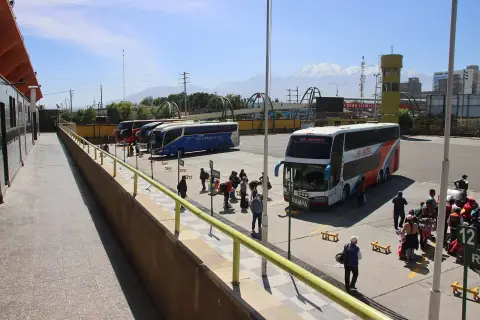
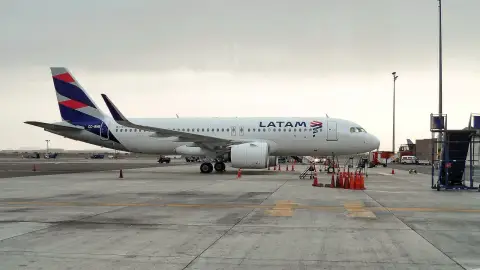
Long-distance buses stop in Máncora, not on these beaches, so you will normally arrive in town first and make the last stretch by local transport. The overall journey to the region is described in Lima to Máncora, and the options for buses and flights are compared in buses in Peru and flights in Peru.
Once you are on the beach, getting around is mostly on foot or by mototaxi. If you plan to eat in several places or visit Máncora in the evening, think about how you will get back, because late-night transport can be limited. Do not assume a taxi will be available on the road at any hour.
Where to stay and what to expect
Accommodation here tends toward small hotels, bungalows and holiday houses, many right on the sand, with a few larger resorts. Because supply is limited, popular places fill up in the high season and on national holiday weekends. Book ahead for those periods, and be sure the property is actually on the beach if that matters, since descriptions can be generous.
Facilities are simpler than in town. Check whether the hotel has its own restaurant, how reliable the water and electricity are, and whether it has air conditioning or a good fan. Mosquito protection is useful, especially in the evening. Cash is still handy for small purchases, and cash machines are in Máncora, not on the beach, so bring what you need.
Prices vary a lot by season and by how close you are to the water. Rather than quoting a figure, it is better to compare several options for your dates. The wider choice of areas around the resort is covered in the main guide.
Food and daily rhythm
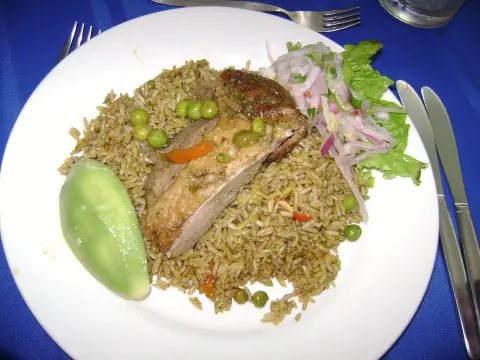
Most visitors eat at their hotel or at one of the beach restaurants, where fresh fish and ceviche are the staples, with rice with seafood, grilled fish and fried fish with sweet potato close behind. The simplest places are often the best, and lunch is the main meal for many locals. Food in the north describes the regional dishes in more detail.
Opening hours can be short outside the busy months, and some beach restaurants close in the evening or on certain days. If you have a particular dinner in mind, ask in advance. For groceries, water and basics, Máncora and Los Órganos have more choice than the beach itself.
The rhythm of the day is straightforward: swim and walk in the morning, avoid the strongest sun around midday, and return to the sand for the late afternoon and sunset. If you want nightlife, the centre of Máncora is a short ride away, and you can return to a quieter bed afterwards.
Best time to go
The warmest and sunniest weather runs roughly from December to April, which is also the busiest period for Peruvian holiday-makers, so expect higher demand and more people on the sand. From roughly May to November it is cooler and often cloudier, but the sea stays comfortable by Peruvian standards, and the beaches are far quieter.
For whale watching, the season on this coast is roughly July to October, and boat trips usually leave from nearby ports, so the quieter months can combine well with a trip out to sea. Sightings are never guaranteed. Weather by region explains how the north coast differs from the rest of the country.
If you prefer calm over heat, shoulder months are a good compromise. Bring a light layer for evenings and a hat and strong sun protection at any time of year, since the sun near the equator is intense even under cloud.
Safety, sun and the sea
The main risks are ordinary ones. Sun and heat catch many visitors out, so use high-factor sunscreen, cover up at midday and drink plenty of water. Currents are the main hazard in the sea, and warning flags, where they exist, should be respected. Do not swim alone at dusk or far from other people.
On the sand, keep valuables out of sight and do not leave bags unattended when you swim. Empty stretches of beach are pleasant but less comfortable at night, so avoid walking them alone after dark. General guidance in safety in Peru applies here as elsewhere.
Be considerate of the environment as well. Shorebirds nest and rest on parts of this coast, so keep dogs away from them and take your rubbish with you. Responsible travel has more on choosing operators and avoiding damage to fragile places.
Who these beaches suit, and what to combine
Vichayito and Las Pocitas suit couples, families and anyone who wants rest after a trip heavy on altitude and travel. They are less suitable if you want a cheap hostel scene, a choice of restaurants on your doorstep, or late nights, in which case staying in Máncora is more practical.
A flexible plan is to base yourself here and visit Máncora for dinner, a surf lesson or an excursion. A whale-watching trip or a visit to the coastal villages and hot springs inland can fill a day, and the main guide lists the options. Two or three nights is enough for most people, longer if you intend to do nothing.
The beaches work best at the end of a northern route, after the archaeological sites. The northern itinerary shows how this fits with the rest of the coast.
Where to sleep
-
Find hotels
Máncora
Beach town on the north coast, from surf hostels to resorts
-
Find hotels
Vichayito
Quieter beach and bungalow resorts a short ride south of town
Frequently asked questions
What is the difference between Vichayito and Las Pocitas?
They are neighbouring stretches of the same coast. Las Pocitas is generally the one closest to Máncora and Vichayito lies further south, nearer Los Órganos. Both are quiet and similar in style, so choose by the specific hotel.
How far are they from Máncora?
Vichayito is commonly described as around ten kilometres south of the town, and Las Pocitas is closer. Exact distances differ between sources, so check a map for the hotel you pick.
Can I swim safely at Vichayito?
Many sections are fine for swimming, but waves and currents vary by place and season, and not every stretch has lifeguards. Ask your hotel where to swim that day and avoid going in alone.
Is it better to stay here or in Máncora?
Stay here for calm and space; stay in Máncora for restaurants, surf schools and nightlife. Many people stay on the quiet beach and go into town in the evening. The main Máncora guide compares the areas.
Are there cash machines and shops?
Services on the beach are limited. Máncora has the cash machines and the larger shops, so bring enough cash for a few days and buy basics in town.
How do I get here without a car?
Take a long-distance bus to Máncora, then a mototaxi or taxi for the last stretch. Hotels can often arrange pick-up. See Lima to Máncora for the journey to the region.
When is the best time of year to visit?
December to April is hottest and busiest, while May to November is cooler and quieter. Whales pass roughly July to October. See weather by region.