Laguna 69 is the best-known day hike in the Cordillera Blanca: roughly three hours by road from Huaraz, then a walk of about 6 km each way, climbing to a glacial lake at about 4,600 m. It is tiring rather than technical, and the altitude is the main difficulty. Spend at least two or three days in Huaraz first, start in the dark and be ready for cold and changeable weather.
The lake and the setting
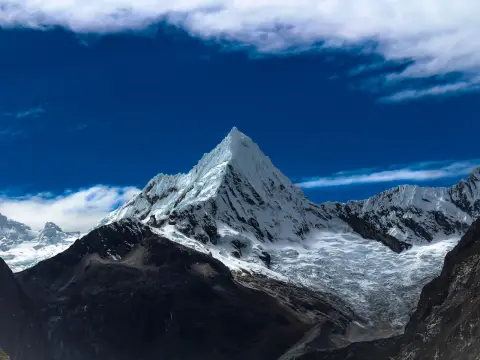
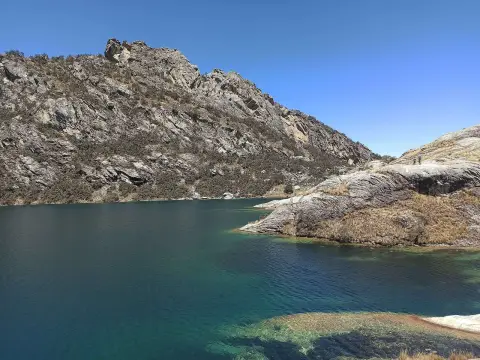
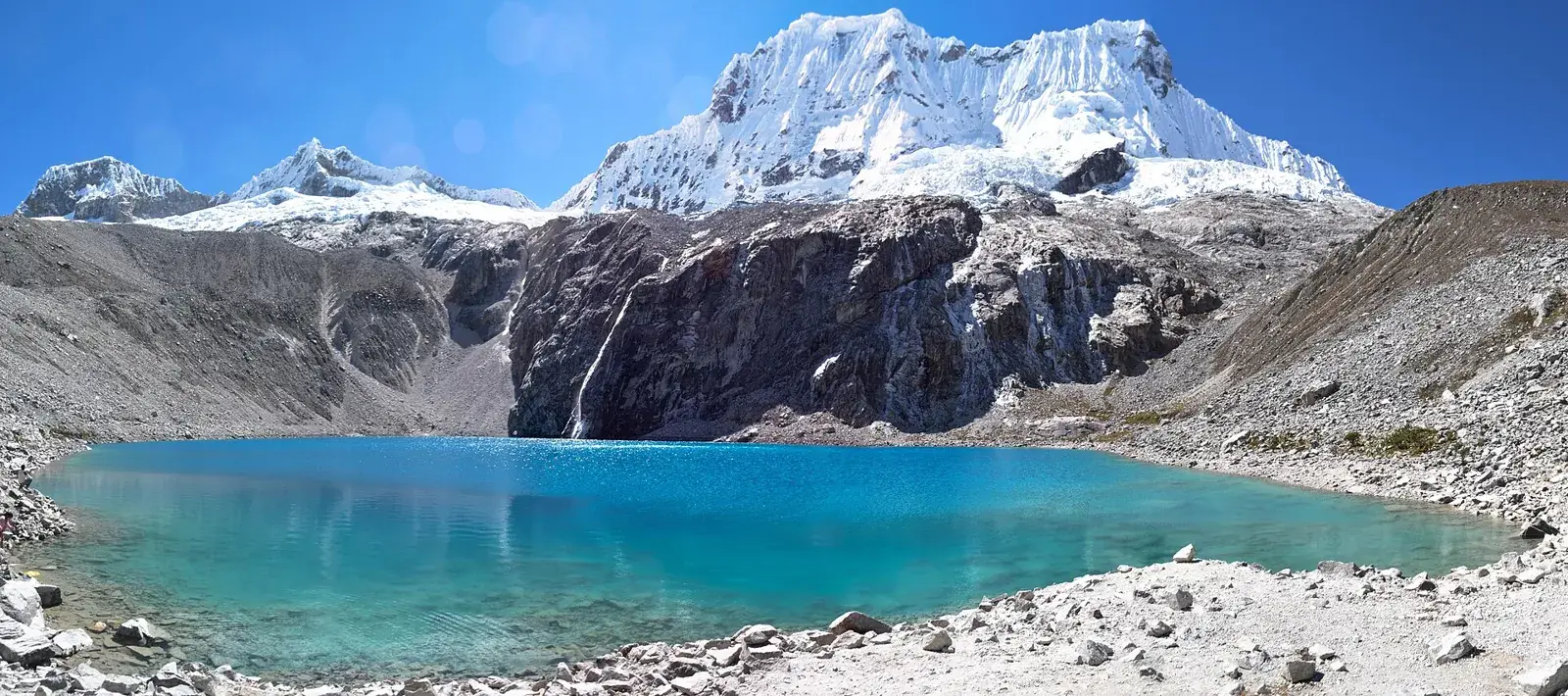
Laguna 69 lies inside Huascarán National Park, below the glaciers of Chacraraju. The lake is a deep turquoise or blue, depending on the light, and fed directly by meltwater. The name is simply a survey number: the area has hundreds of glacial lakes, and this one never received a more poetic name.
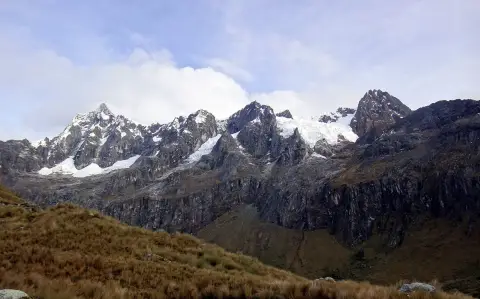
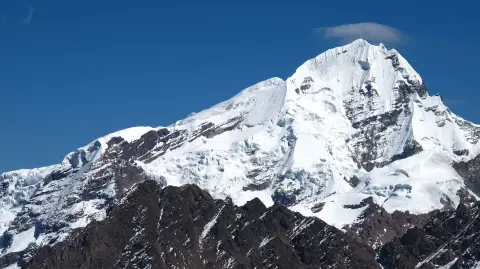
The walk begins in a broad glacial valley with meadows, grazing animals and streams, then climbs through boulder fields and a steep zigzag to the lake. In clear weather the views of snow-covered peaks are among the best you can have on a day hike in Peru. In cloud, the walk is still pleasant but the lake can be much less dramatic.
How the day works
Tours leave Huaraz early, commonly around five o'clock, and drive through the town of Yungay and past the Llanganuco lakes before reaching the trailhead at Cebollapampa, at roughly 3,900 m. The drive takes about three hours and includes a breakfast stop. The walk to the lake is around 6 km each way and gains roughly 700 m. Most hikers take three to four hours up and two to three hours down.
Allow about an hour at the lake for photographs and lunch. You will usually be back in Huaraz in the evening. The first part is gentle, the middle section is rolling, and the last hour is steep and sustained.
Tours and activities
Bookable online, chosen for their traveller reviews.
-
Day trip From €29 per person
Fitness, season and entry
You do not need technical skills, but you do need good general fitness and the ability to walk six or seven hours with a steep finish. People who walk regularly with some uphill training generally cope better than those who rely on the gym alone. The trail is clear and well-trodden, but there are no facilities on the way.
The dry season, roughly May to September, is the best time. Skies are usually clear in the morning, but afternoon cloud and cold winds are common. In the wet season, from about November to March, rain and cloud are more likely and visibility can be poor. Entry to Huascarán National Park requires a ticket, which is often included in the tour but sometimes paid separately.
Choosing a tour
Tours to Laguna 69 are sold throughout Huaraz, and quality varies. Ask about group size, departure time, who is guiding, whether the guide has current first-aid training, and whether the price covers the park entrance and meals. Because this is a long road journey, it is also worth asking how old the vehicle is and whether the driver is experienced on mountain roads.
Laguna 69 compared with other Cordillera Blanca day hikes
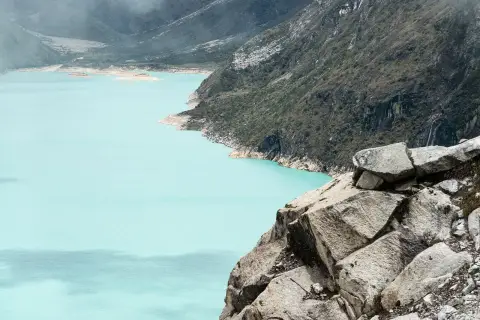
The Huaraz area offers several lake walks, and they differ a lot. Laguna Churup is shorter and closer to town, with a scramble at the top, and works well as a first test. Laguna Parón is reached by a long road and needs less walking, with a dramatic setting beneath Pirámide. Laguna 69 asks for the most effort and offers the most varied mountain scenery of the three.
If you only have time for one, choose by fitness and acclimatisation rather than fame. Someone who has just arrived at altitude is better served by Churup, while a fit walker with several days in the mountains can enjoy 69 more. The wider region is described on Cordillera Blanca.
What to carry and wear
The day involves large temperature changes: cold at the trailhead, warm on the climb and cold again at the lake. Dress in layers, with a waterproof jacket, a warm hat and gloves, sun protection and boots or shoes with good grip. Trekking poles help on the steep descent. Take plenty of water, lunch and snacks, because there is nothing to buy on the path.
Check whether the operator provides a packed lunch, and carry some cash for the park ticket and toilets at the trailhead if they are not included. For a fuller checklist, see gear. If you rent equipment in Huaraz, test it the day before so there are no surprises at the trailhead at dawn.
Pace, rest and when to turn back
The standard mistake is to start fast on the flat meadows and arrive at the steep section already tired. Walk slowly, rest briefly at regular points and drink often. The final zigzag takes longer than it looks, and the guide will usually set a time by which the group should be at the lake to allow a safe return before the afternoon weather.
If you develop a strong headache, nausea, vomiting, unusual breathlessness or confusion, tell the guide and descend. Lower altitude is the treatment, and pushing on to see the lake is not worth the risk. For the symptoms in more detail, see altitude sickness, and for how to plan the days beforehand, acclimatisation. If you want a longer walk afterwards, the Santa Cruz trek is the natural next step.
Where to sleep
-
Find hotels
Huaraz centre
Services, tour offices and restaurants for the Cordillera Blanca
-
Find hotels
Monterrey
Quieter spot north of town with thermal baths
-
Find hotels
Caraz
Small town closer to the northern lakes and trails
Frequently asked questions
How hard is the Laguna 69 hike?
It is a demanding day hike. The distance is moderate, but the altitude and the steep last section make it tiring, and it is not a good first walk at altitude.
How high is Laguna 69?
The lake is at about 4,600 m, and the trailhead at Cebollapampa is at roughly 3,900 m.
How long does it take?
Plan for about three hours of driving each way and six to seven hours on foot, so expect a long day of twelve hours or more.
Can I go without a tour?
It is possible with a private taxi or public transport and some preparation, but the early start, the road and the weather make many people prefer a tour.
Why is it called Laguna 69?
The name is a survey number rather than a traditional name. The Cordillera Blanca contains hundreds of glacial lakes, and this one was catalogued with a number that stuck.
What should I bring to Laguna 69?
Bring layers, waterproofs, a hat, gloves, sun protection, water, lunch and snacks. Boots or shoes with good grip are important for the steep section.
Is Laguna 69 harder than Rainbow Mountain?
It is longer and has a steeper climb, but the lake is lower than Rainbow Mountain. Both are tiring because of the altitude, so judge by your acclimatisation, not the figures alone.