It depends on you. Yes, for one night or an afternoon if you want dune buggies, sandboarding and a sunset over huge dunes, especially with friends or as a backpacker. No, if you dislike touristy spots, have a tight itinerary, or are looking for culture or solitude. The oasis is small, and the activities, not the place, are the reason to go.
What it is
Huacachina is a tiny lagoon with palms and a ring of cafés, hostels and small hotels, surrounded by very large sand dunes. It lies just outside the city of Ica on Peru's dry south coast. The setting is striking, especially in the late afternoon when the light turns the sand orange and the dunes cast long shadows. See Ica and Huacachina for the surrounding area.
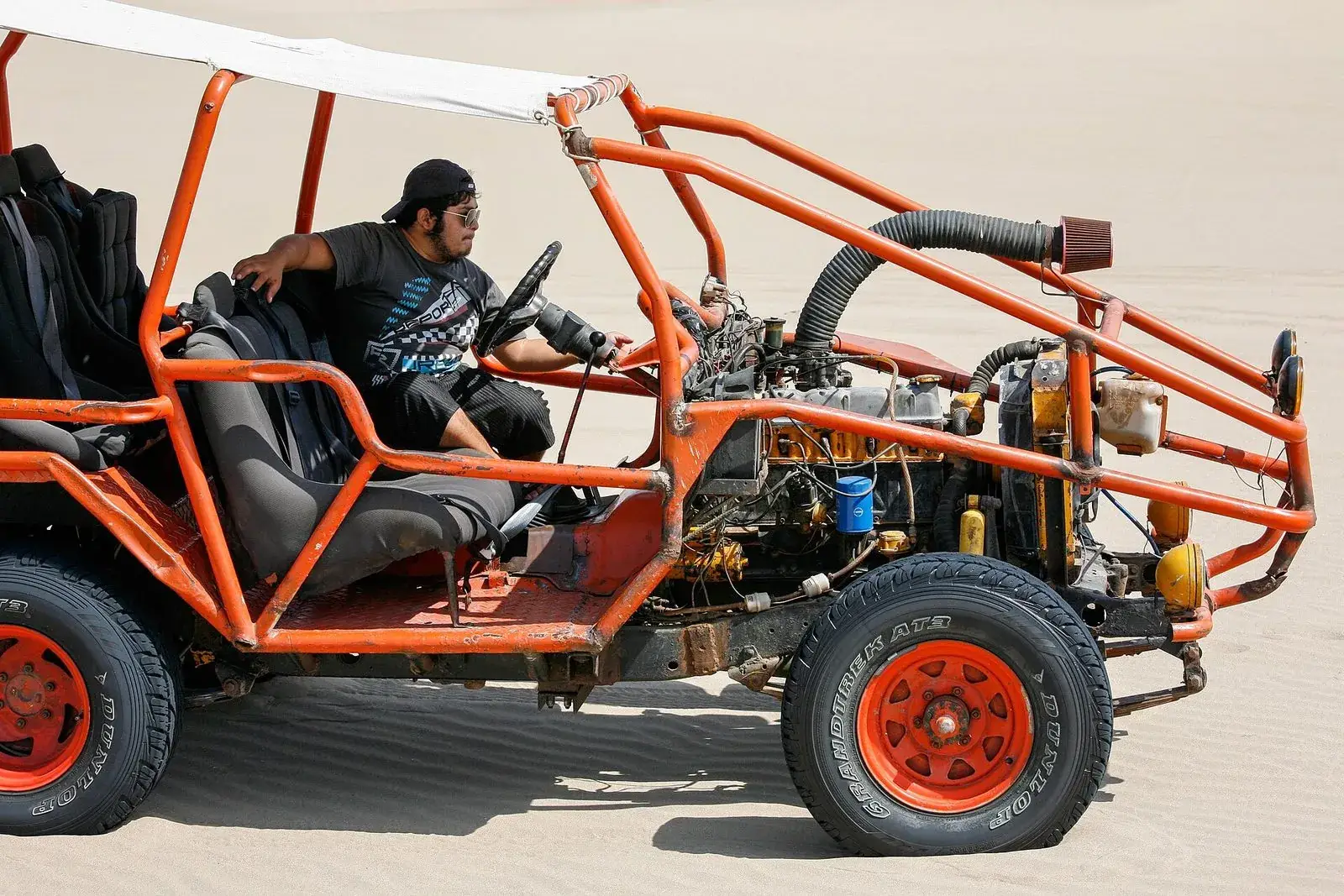
The activities are dune buggy rides, which are bumpy, fast and fun for many people, and sandboarding, either standing or lying down. Most tours run in the late afternoon and finish with sunset on the dunes. Wine and pisco tastings in the Ica area are another common add-on.
The honest downsides
It is touristy and designed for visitors. The lagoon itself is modest, and the village is essentially a collection of places to sleep, eat and book tours. Evenings can be loud, particularly around hostels with bars.
There is a real safety question. Dune buggies can tip or crash, and operators differ widely in how carefully they drive, whether seatbelts and roll bars are provided and how they deal with alcohol. Choose with care, wear the belts, and think about whether the ride suits your health, especially if you have back, neck or heart problems.
Huacachina is also a detour. Ica and Huacachina take time to reach from Lima, and they do not sit on the standard Cusco and Machu Picchu route. If you only have a week, the travel time is hard to justify. See Lima to Huacachina route to understand what the journey involves.
What a typical afternoon involves
Most visitors arrive in the middle of the day, drop their bags and book a late-afternoon tour at their hostel or at one of the desks around the lagoon. The buggy collects the group, drives up through the dunes at speed, and stops at several tall slopes for sandboarding. Boards are usually waxed and supplied, and beginners often start lying down on their front to learn the feel.
The sunset is a key part of the tour. The buggy stops on a high ridge, passengers climb out and watch the light change over the dunes and the green ring of the oasis. Take a scarf or glasses, because wind and sand blow hard, and keep cameras and phones in a case.
After the tour, dinner at a lagoon-side restaurant and an evening in a hostel bar make the usual end to the day. If you prefer calm, ask for a room away from the bar, or stay in Ica and visit for the afternoon. See stay to compare the options.
Who should skip it, and who should go
Skip it if you are on a short trip, travel mainly for history and culture, are nervous about fast vehicles, or want a calm night. Skip it if you have already ridden dunes elsewhere and do not feel you need to again.
Go if you have time on the south coast, enjoy a bit of adrenaline, travel with friends or want a social stop on a backpacker route. Families with older children may enjoy a gentler tour, if the operator is careful. Pair it with Paracas to balance a thrill with nature, or with a flight over the Nazca Lines if you have further time.
A single night is plenty. Arrive in the afternoon, do the sunset tour, and leave next morning.
Alternatives on the south coast
If the dunes do not tempt you, the south coast has other things to offer. The Paracas peninsula and the Ballestas Islands give wildlife and desert coastline in a calm setting, which makes them a better fit for families and slow travellers; the question of Paracas or Huacachina is worth settling before you book.
Nazca lies further along the route and offers the famous lines, either from the air or from roadside towers. See is the Nazca flight worth it before committing to the detour. Ica itself has wineries and pisco distilleries that can be visited without any engine noise.
For a gentler way to see desert dunes, ask about a walk at dusk or a sunset viewpoint, where you can enjoy the same light without a buggy ride. The scenery is the real prize, and you can see it on foot.
The verdict
A decent, memorable stop for the right traveller, and an easy skip for everyone else. If you do go, treat it as an afternoon of dunes and sunset rather than a destination in itself, and choose your operator for safety first.
On a trip of two weeks or more with a southern coast route, a night here is easy to justify. On a trip of a week, it rarely beats using the same time in the Andes.
Frequently asked questions
How long should I stay in Huacachina?
One night is enough: a sunset dune tour, dinner and an easy morning departure.
Is sandboarding difficult?
Not particularly. Beginners usually start lying down on the board. Falls on soft sand are common, but injuries can happen.
Is Huacachina safe?
The village is used to visitors, and the main risk is the dune buggy ride itself. Choose an operator with seatbelts and roll cages, and keep valuables out of sight, as in any tourist spot.
Is it better to stay in Huacachina or in Ica?
Huacachina is more atmospheric and social but noisy; Ica has more services and quieter hotels. Many travellers stay in the oasis and move on after one night.
Can I visit Huacachina in a day from Lima?
It is possible but very tiring, because of the long journey each way. A night is more sensible. See route for the options.
What should I bring on a dune tour?
Sunglasses, a scarf or buff, sun protection, water and a light jacket for the evening. Cover your camera against sand and wear clothes you do not mind getting dusty.
Is Huacachina a real oasis?
It is a natural lagoon that has been shaped by tourism, and its water level has been affected by human use. Treat it as a scenic stop, not a wilderness.