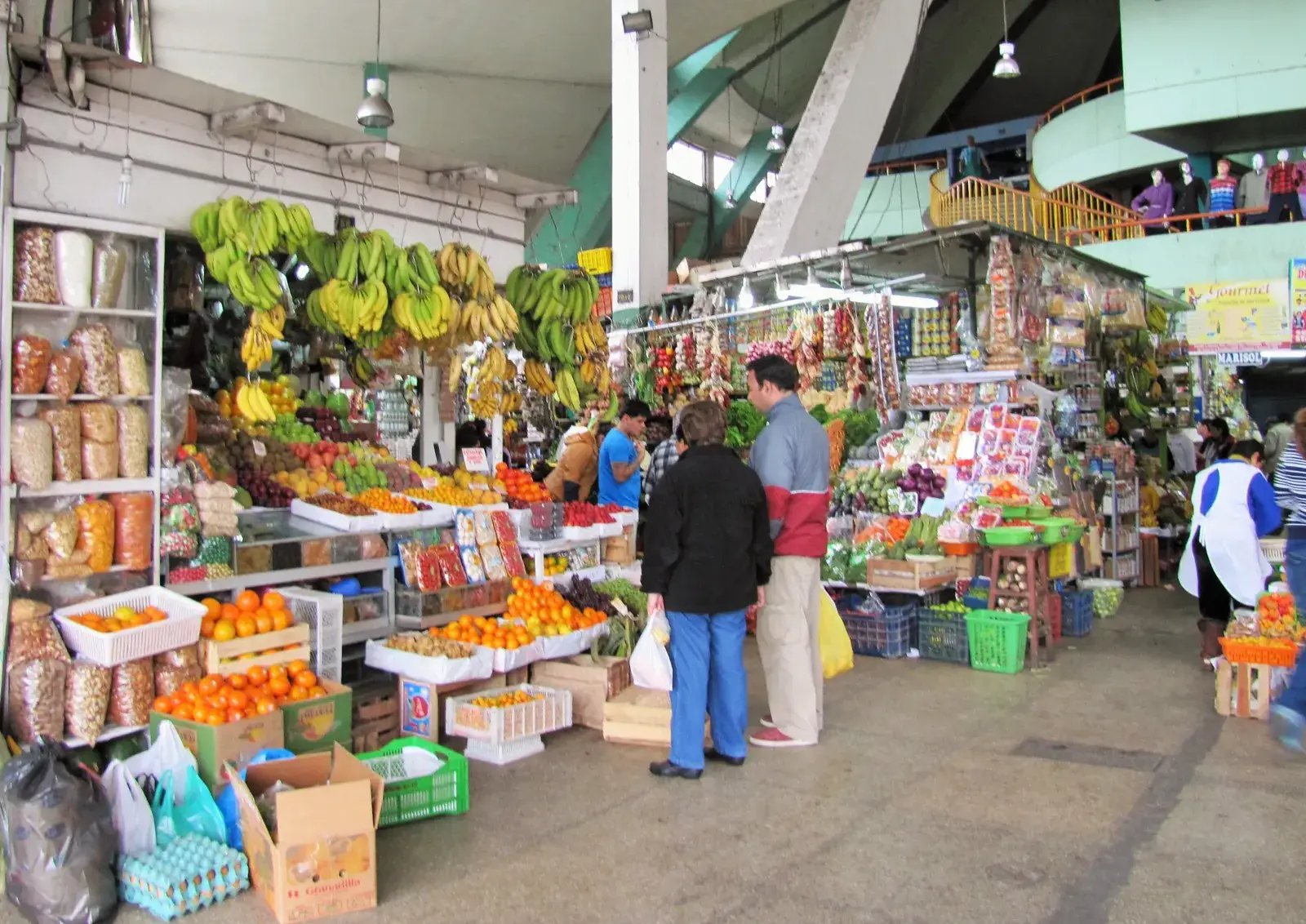
Spend four nights in Lima, three in Cusco and three in Arequipa. Lima is the main stop because its range of cevicherías, markets, Chinese-Peruvian and Japanese-Peruvian cooking and tasting menus is the widest in the country. Cusco adds Andean ingredients and a Sacred Valley day for produce, and Arequipa adds its picanterías and spicy regional dishes.
The order also suits the body: rich food and altitude do not mix well on the first day in Cusco, so the highest stop comes in the middle, after Lima, and Arequipa is lower and easier for a final feast.
The design: one city, one food story
Each city has a different food story, and the route is built to keep them apart. Lima is the coastal, cosmopolitan table: fish, the influence of Chinese and Japanese migration, and a serious restaurant scene. Cusco is the Andean table: potatoes, maize, quinoa, alpaca and river trout. Arequipa is the spicy one, with its own chillies and a tradition of home-style restaurants.
Four nights in Lima let you eat across districts without hurrying. Three nights each in Cusco and Arequipa leave one full day in each for a class, a market and a long lunch. This differs from the general 10-day itinerary by trading Machu Picchu for time at the table; if you want both, add days rather than squeeze them in, and read the 14-day route.
For the larger picture of the cuisine, start with food in Peru.
Booking ahead: tasting menus, classes and flights
Book the two flights first: Lima to Cusco and Cusco to Arequipa, then Arequipa to Lima for the way home. Flights are the only fixed points, and a missed one costs a meal and a night.
Next book what has limited seats. Top Lima restaurants with tasting menus can fill weeks or months ahead, so check each restaurant's booking system and any deposit or cancellation rules. Cooking classes run in small groups and usually need a day's notice or more. Ordinary cevicherías and picanterías do not take bookings and are better visited at the right hour.
Do not book two long meals in a day, and avoid a tasting menu on the evening you land in Cusco. Tips on when to book explains the lead times, and flights in Peru covers the domestic network. Tell restaurants about dietary needs when booking, not at the table.
Days 1 to 2: Lima, ceviche and markets
Arrive, rest and eat lightly on day one. On day two start at a market in the morning to see the fish, the fruit and the dozens of chillies. A guided market visit followed by a cooking class is the best first food lesson, and many classes include a pisco sour lesson.
Lunch is the right time for ceviche. Traditional cevicherías serve the dish at midday and often close early in the afternoon because the fish is bought fresh each morning, so check the hours. Order the dish with its sweet potato, corn and toasted maize, and ask what is in season.
The evening can be a walk and a small dinner in Miraflores or Barranco. What to eat in Lima lists the dishes, and ceviche explains how to judge a good one: fresh fish, short marinade, served at once. Leave room for a dessert of the day, such as suspiro limeño.
Days 3 to 4: Lima, fusion and the tasting-menu day
Day three is for the other cuisines that made Lima. Chifa, the Chinese-Peruvian cooking, and Nikkei, the Japanese-Peruvian cooking, deserve a meal each, and both have simple and sophisticated versions. See chifa for the history and the classic dishes.
Day four can be the single tasting-menu meal of the trip. Choose one restaurant, book it well ahead and make it lunch rather than dinner, so the afternoon is free for a walk or a rest. Many tasting menus follow ingredients from the coast, the Andes and the Amazon, which is a useful preview of the rest of the route. Ask whether pairings are optional and whether the menu can be adjusted for allergies.
Take a break from rich food one meal a day, with a simple soup or a fruit breakfast. For coffee and chocolate, a tasting at a specialist café or shop explains the difference between regions without a long trip, and the drinks scene is covered in pisco. Pack before the evening, since the flight to Cusco is early.
Days 5 to 7: Cusco and the Sacred Valley for produce
Fly to Cusco on day five. At about 3,400 m, eat lightly on arrival, drink water and skip alcohol for the first evening. A heavy tasting menu on the first night at altitude is a common mistake, so keep it simple; see altitude sickness.
Day six is for the San Pedro market, with its fruit stalls, bread, cheeses and herb sellers, followed by a class in Andean cooking. The cuisine uses native potatoes, maize, quinoa, trout and, in some places, alpaca and guinea pig. Read what to eat in Cusco to choose.
Day seven can be a trip to the Sacred Valley to see where the produce grows: terraces, corn fields and the salt pans at Maras. Choose a tour or a driver with a food focus, and ask whether visits to farms and producers are open on that day. The valley is lower than Cusco, so it feels easier for a long day. Return in the early evening and eat a lighter dinner.
Days 8 to 10: Arequipa and its picanterías
Fly to Arequipa on day eight. The city sits at a lower altitude than Cusco, so appetite tends to return. The local tradition is the picantería, a restaurant that serves regional dishes at lunch, often until the day's pots are empty. Typical plates include stuffed peppers and rich stews; what to eat in Arequipa describes them. Go at midday, go hungry and share.
Day nine can include a market, a cooking class focused on chillies and a walk to a viewpoint to burn off lunch. The local rocoto is a hot pepper, so ask for the sauce on the side if you are unsure. For the stuffed version, see rocoto relleno.
Day ten is the flight home, usually through Lima. Keep the morning free for last purchases, such as chocolate, coffee or a bottle of pisco; check airline and customs rules for liquids and food. Arequipa covers the city if there is time.
Pisco, coffee and chocolate along the way
Three drinks and one sweet thread run through the route. Pisco is the grape spirit behind the pisco sour; a tasting or a bar class in Lima shows the difference between grape types and styles, and pisco explains the basics. Do not drink much at altitude on the first evening.
Coffee grows in several Peruvian regions, and a specialist café can show how origin changes the cup. Chocolate is made from cacao grown in lowland areas, and a workshop or shop in Lima or Cusco explains the process from bean to bar. Treat these as short tastings, not full-day tours, since the route is built around meals.
Buying to take home is easier in the last city, and gift shops at airports are an option if time is short. Check what the airline allows in hand baggage. If a tasting involves visiting a farm outside the cities, it needs a day of its own and is not part of this plan. Ask producers and shops whether they ship, which can save space in your luggage.
Altitude, rich food and dietary needs
Altitude and food interact. Heavy meals, alcohol and a new city on the same day can make the first night in Cusco unpleasant, so keep that dinner light and have the main meal at lunch. Drink water through the day.
Vegetarians will find the route workable, but not always easy: many traditional dishes use meat, fish or stock. Lima has a growing number of vegetarian restaurants, Cusco has several, and Arequipa is the hardest, where a picantería may offer little. Read vegetarian food in Peru and tell the kitchen what you cannot eat, in Spanish if possible. Allergies need more than a sentence: check the main ingredients with the staff.
On hygiene, choose busy places, eat cooked food and avoid tap water; water and food safety gives the basics. For the full picture of who this route suits, see Peru for food lovers. If you must cut, drop Arequipa and give Lima and Cusco the extra nights.
Frequently asked questions
Is Lima really the best place to eat in Peru?
It has the widest range, from cevicherías and markets to tasting menus. That does not make regional cooking less interesting, and Arequipa and Cusco offer dishes you will not find in the same form in the capital.
How far ahead should I book top restaurants?
Popular tasting-menu restaurants can fill weeks or months ahead, especially in the dry season. Check each restaurant's own booking page for the lead time and cancellation rules.
Is street food safe to eat?
Choose busy stalls, food cooked in front of you and still hot. If you have a sensitive stomach, start with restaurants for the first days. See water and food safety.
Can I do this trip as a vegetarian?
Yes, with planning. Lima and Cusco have vegetarian options, but traditional dishes often use meat or stock. Arequipa is harder, so check ahead and consider vegetarian food in Peru.
When is the best season for a food trip?
Food is good all year, as markets and restaurants run in every season. The dry season is better for the Andean legs, and the Sacred Valley is greener in the rainy months.
Are cooking classes worth it?
They are one of the best ways to understand the ingredients, especially when they begin at a market. Choose small groups, and check the menu and the dietary options when booking.
Can I bring food or pisco home?
Rules for food and alcohol depend on your destination country and the airline, and fresh produce is often restricted. Check both before buying, and pack bottles carefully.