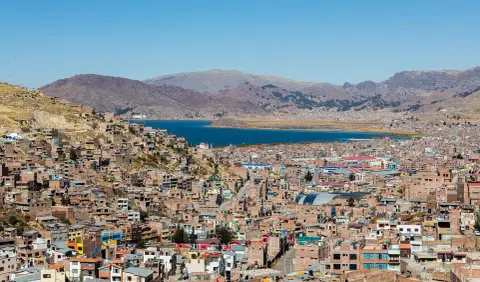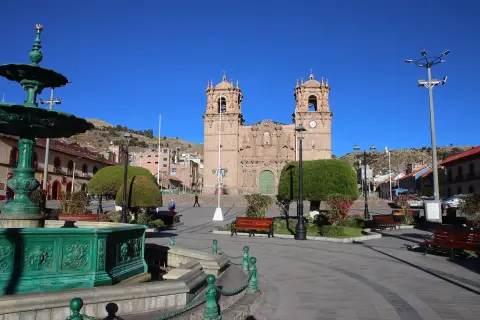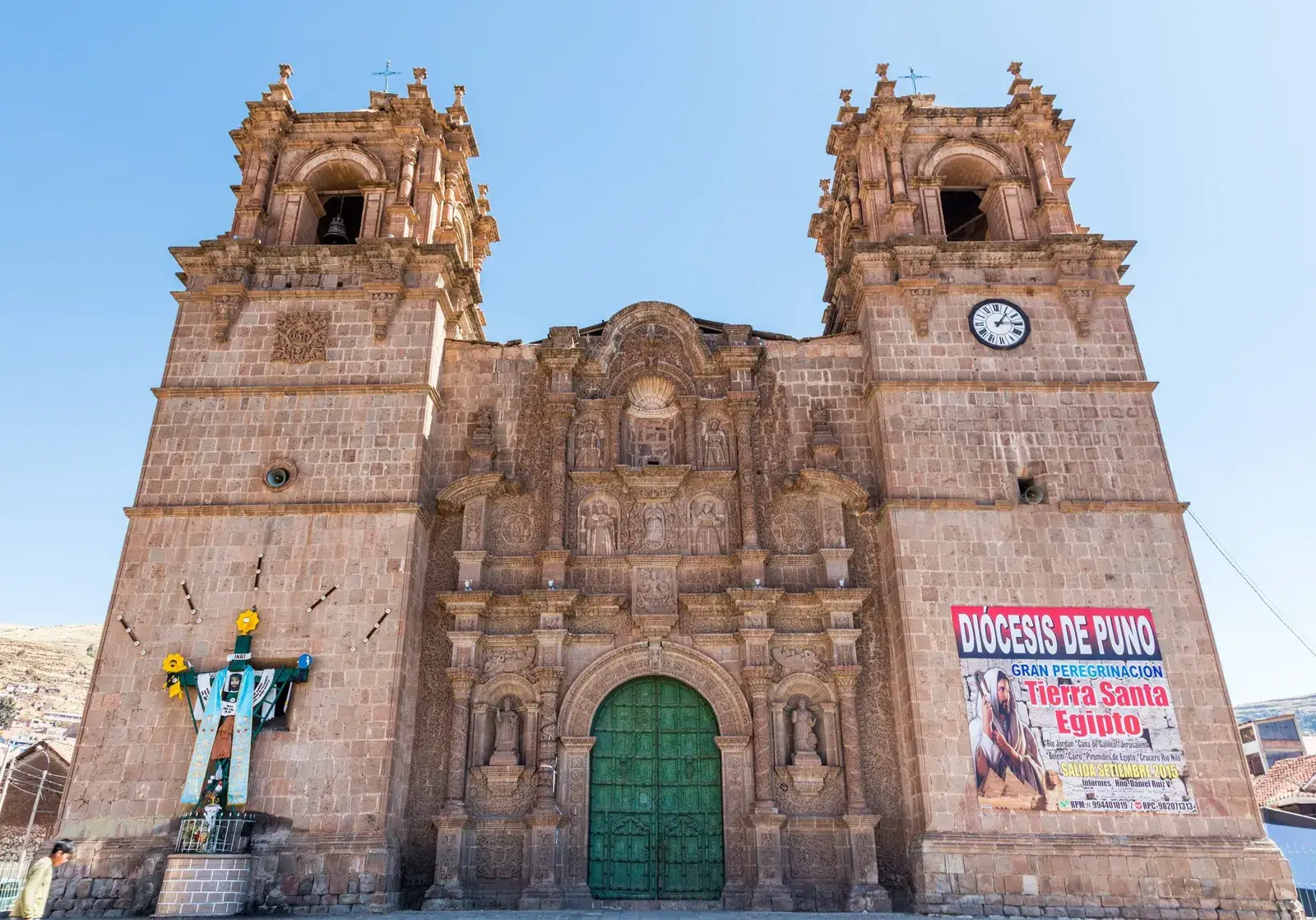
Puno Cathedral is the main church of the city, on the Plaza de Armas, finished in 1757 in the Andean Baroque style. Its carved stone facade is the reason to stop. Allow 20 to 40 minutes for the exterior and a look inside, and combine it with a walk along Jirón Lima. Opening hours and any entry fee change, so check locally on the day.
Map
What the cathedral is
The Cathedral Basilica of San Carlos Borromeo is the seat of the Catholic diocese of Puno and the most important colonial building in the city. It stands on the west side of the Plaza de Armas, the main square of Puno, a few blocks uphill from the lake. Most guidebooks describe it as plain compared with the churches of Cusco or Arequipa, and that is fair for the interior, but the stonework outside rewards a slow look.
The building is the visual centre of the town and the backdrop to most of the civic and religious life of the square, from daily Masses to the parades of February. For a traveller it is a short, free-standing stop rather than a half-day sight, and it fits easily into the town walk described on the things to do in Puno page.
A short history
Puno grew in the seventeenth century as a Spanish settlement close to the silver mines of Laykakota, and the church was part of that foundation. Local sources date the start of construction to the late 1660s and the completion of the present building to 1757, a date that also appears on the facade. A common local account says the site had earlier held an Andean sacred place, but this is a tradition rather than a settled fact.
The cathedral has been recognised as part of the national cultural heritage since the early 1970s, and it later received the title of minor basilica. Its patron is usually given as the Immaculate Conception, while the church is known by the name of San Carlos Borromeo. Both names appear in local sources, so do not be surprised to meet either.
For the wider story of the region, including the mining wealth and the Aymara and Quechua communities around the lake, see the Puno guide.
Tours and activities
Bookable online, chosen for their traveller reviews.
-
★ Top rated From €23 per person
-
★ Top rated From €23 per person
-
Day trip From €41 per person
-
From €8 per person
The facade and the towers
The main attraction is the facade, a work of Andean Baroque, sometimes called mestizo Baroque, in which European forms were carved by local stonemasons with Andean motifs. The central portal is covered in relief: columns, niches with saints, scrolls and plant patterns that almost fill the wall around the arched door. The warm reddish-brown stone catches the afternoon light well.
Two square bell towers flank the front, and the whole composition is wider and more solid than tall. Look at the lower niches and the panels beside the door, where the carving is most detailed, and at how the surface changes from richly worked at the centre to flat masonry at the sides.
Because the facade faces the plaza, it photographs best in the morning or late afternoon, when the sun is not straight overhead. The thin air at 3,800 m makes the light hard and clear, so contrast is strong.
Inside the cathedral
The interior is calmer and plainer than the front suggests. The nave has a barrel vault, and the main altar is described by visitors as silver-coloured, with side altars holding saints and images from both European and local devotion. It is a working church, so the atmosphere changes with the services, and during Mass visitors are expected to stay quiet and out of the way.
Opening hours, the days it is open to sightseers and whether an entry fee applies are the things most likely to change, and published information is inconsistent, so confirm on the spot. If the doors are closed, the exterior is still the better half of the visit.
Dress modestly, remove your hat inside, avoid flash and do not photograph people at prayer. More on behaviour in churches is in Peru etiquette.
When to go
For the facade, go in the morning or late afternoon. For the interior, check whether a Mass is under way, since this can close the nave to sightseeing for a while. The dry season, roughly May to September, brings clear skies and cold nights, while the rainy months can bring afternoon showers that make the plaza less pleasant.
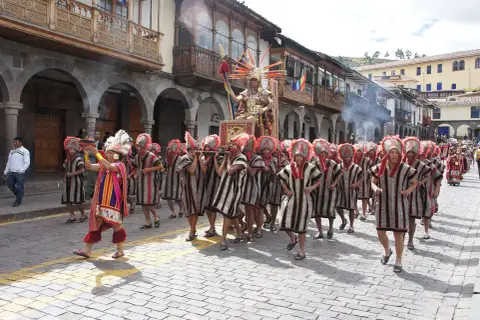
The square becomes much busier in early February, during the Virgen de la Candelaria festival, when processions, bands and dancers pass in front of the cathedral. It is a memorable week to be in Puno, but rooms and transport are in short supply and streets close, so see festivals and holidays before you plan and book well ahead.
On a normal day the plaza is relaxed, with locals on the benches and a few tour groups passing through.
Getting there and how long to stay
The cathedral is in the centre of Puno and reached on foot from most hotels in the centre, as described in where to stay in Puno. From the port it is a walk of roughly ten to fifteen minutes uphill along Jirón Lima, the pedestrian street that links the lake to the plaza, with cafes and craft stalls on the way.
Plan 20 to 40 minutes for the facade and a look inside. Many travellers fit it in during the first afternoon, on the day of arrival, because it is gentle and near. At roughly 3,800 m even a short uphill walk is tiring if you have just come from lower ground, so read altitude sickness and go slowly.
The street between the lake and the plaza is the safest way to do it, but the usual city care applies, and safety in Peru covers what to watch for in town.
What to combine it with
The cathedral works best as part of a slow town walk: the plaza, Jirón Lima, the lakefront and, if you have energy, a taxi to a viewpoint above the town. Together this takes a couple of hours and suits the first afternoon, leaving the next day for the lake.
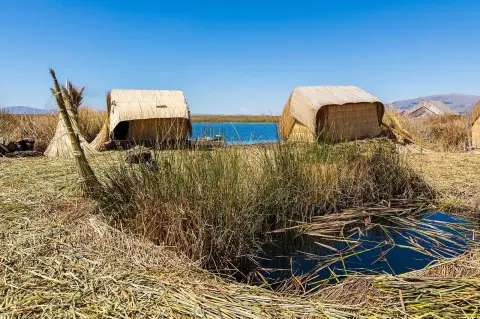
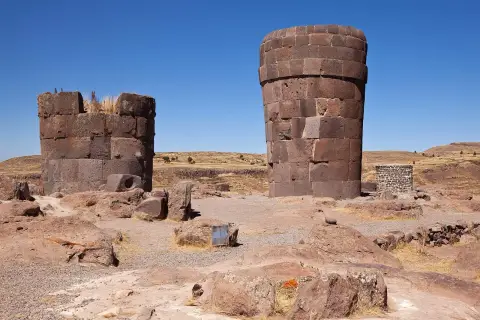
The main excursions are the boat trip to the Uros floating islands, the longer trip to Taquile and the half-day to the burial towers of Sillustani. The overall picture of the water and its shores is in Lake Titicaca.
If you are deciding how to split time between highland cities, Puno or Arequipa compares the two, and Arequipa has far more colonial architecture to see. Travellers arriving by road or rail can start from Cusco to Puno.
Where to sleep
-
Find hotels
Puno centre
Walkable to the main square and the lake port
Frequently asked questions
Is Puno Cathedral worth visiting?
Yes, briefly. The Andean Baroque facade is the best piece of colonial architecture in town, and it takes little time. The interior is simpler, so treat the visit as a short stop on a walk around the plaza and Puno.
How long does a visit take?
About 20 to 40 minutes is enough for the facade, the plaza and a look inside. Add time if a procession or festival is under way, as the square can fill quickly.
Is there an entry fee for Puno Cathedral?
Information is inconsistent. Some sources mention a small fee for sightseers and others treat entry as free outside services. Ask at the door, and carry small notes in soles, as explained in money and ATMs.
Can I go inside during Mass?
You can attend quietly as a worshipper, but the nave may be closed to sightseeing during services. Sit near the back, switch off flash and sound, and avoid photographing people at prayer.
When was Puno Cathedral built?
Local sources place the start of construction in the late 1660s and the completion of the present building in 1757. The 1757 date is the one most often quoted, and it appears on the facade.
What should I wear to visit the cathedral?
Modest, warm clothing, with shoulders covered and hats removed inside. Puno is cold at 3,800 m, so layers are useful anyway; see the packing list.
What else is there to see near the cathedral?
The Plaza de Armas, Jirón Lima and the lakefront are all close. For longer outings, the main choices are in things to do in Puno, including the islands and Sillustani.