Stay in the centre, within a few blocks of the Plaza de Armas and the pedestrian street Jirón Lima, where restaurants, tour offices and the main sights are close. A lakeside room offers views but is further from the centre and colder at night. At about 3,800 m, Puno is higher than Cusco, so look for heating, extra blankets and a short, flat route from the bus terminal.
Most travellers spend one or two nights, mostly as a base for the lake islands.
The centre around Jirón Lima
The compact core of Puno is organised around the Plaza de Armas and the cathedral, with Jirón Lima, a pedestrian street lined with cafés, restaurants and agencies, running towards the lake. Staying here means short walks for dinner and for early tour pick-ups.
Evenings can be noisy on weekends, especially near the bars, so ask for a room away from the street. Streets climbing away from the plaza are steep, which is worth remembering with luggage at this altitude.
The centre also puts you near the things to do in Puno, most of which are a short walk or taxi ride away, and near the offices that sell lake tours. Comparing two or three before you pay is easy when they sit along the same street.
Lakeside and the port area
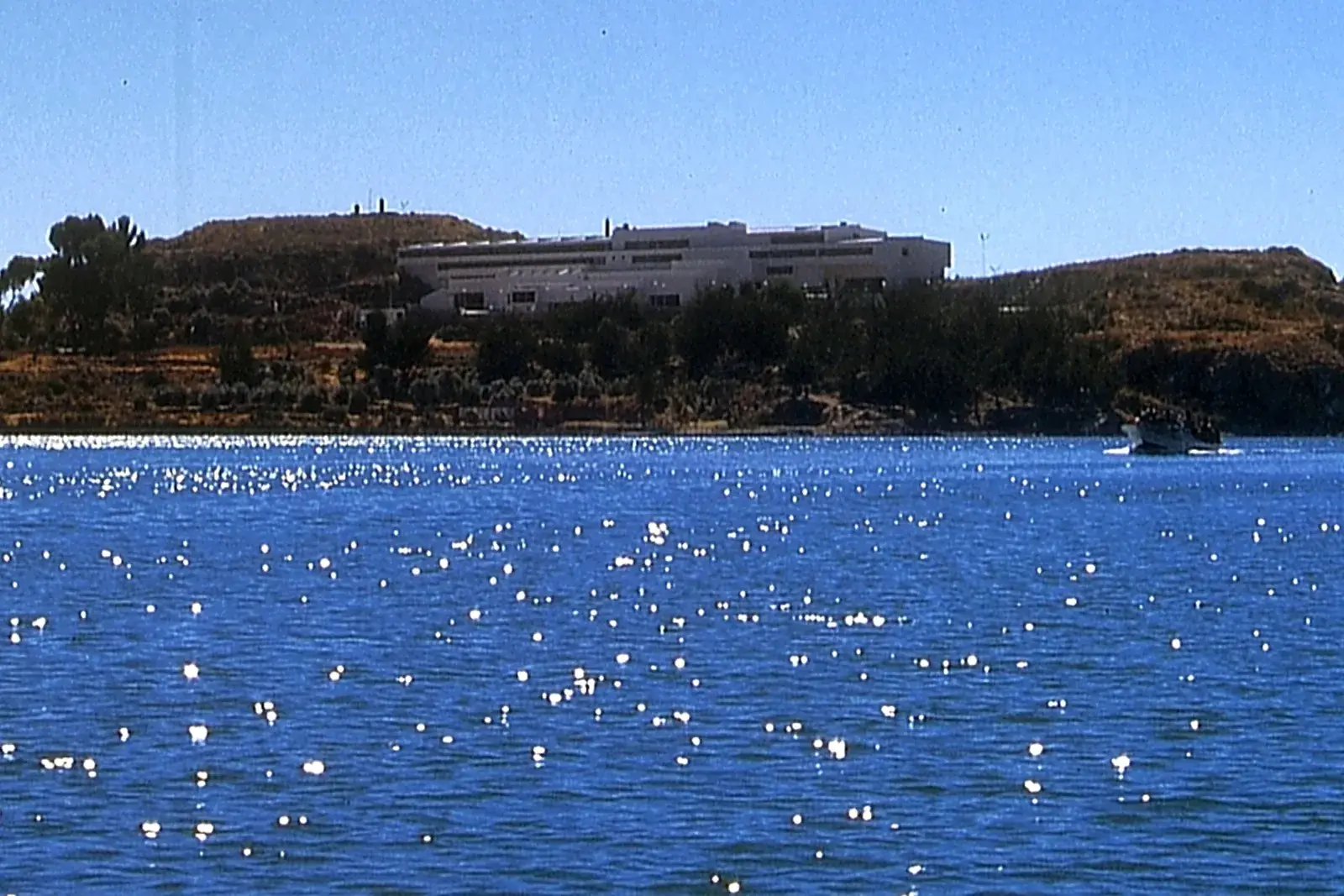
Along the shore, the port is the departure point for boat trips to the Uros floating islands and Taquile. Hotels along the waterfront offer views of the lake and the bay, and some are a short walk from the dock, which helps on early mornings.
The location has a cost: it is further from the plaza, the wind off the lake is cold and rooms can be harder to heat. Check how far the property is from the centre and whether the route at night is lit and walkable. Taxis are cheap, so a short ride is usually the answer.
A room with a view of the lake is a pleasure in the morning light, but treat it as a bonus rather than a priority. The thing you will notice at three in the morning is whether the room is warm.
Staying on the islands
Some visitors sleep with a family on Taquile or on a floating island, a very simple experience with basic rooms, no heating and limited electricity. It can be memorable, but is also cold, and bedding may be thin. Ask what is provided, bring warm clothes and a head torch, and arrange it through an operator that works directly with the community.
A homestay is best for travellers who are comfortable with basic conditions and have already adjusted to the altitude. If you are sensitive to cold or have health concerns, a hotel in town with a day trip to the islands is easier. Lake Titicaca explains the different options for visiting.
Arriving by bus, train or from Bolivia
Most visitors reach Puno by long-distance bus from Cusco or Arequipa, or by the tourist train on the Cusco route. The bus terminal is a short taxi ride from the centre. Overnight arrivals reach town early in the morning, and hotels may hold bags or offer an early breakfast if you ask in advance. Cusco to Puno describes the choices and the length of the journey.
Travellers continuing to Bolivia cross the border by road, and a night in Puno before the crossing is a useful rest. Crossing to Bolivia covers the practical steps.
Practical checks
Ask whether heating is included, whether blankets are plentiful and whether hot water is reliable, since the temperature drops sharply after dark. If you arrive on the overnight bus or an early train from Cusco, check whether early check-in is possible. Look at breakfast times if you have a boat tour planned, and ask where to leave luggage while you are on the lake.
Puno is also a festival city, with major celebrations in February around the Virgen de la Candelaria, when rooms are hard to find. Book far ahead if your dates coincide. The festivals and holidays calendar lists the main dates.
Where to sleep
-
Puno centre
Walkable to the main square and the lake port
Walkable to the main square, the cathedral, Calle Lima's restaurants and the port for the island boats. Hotels range from hostels to lake-view rooms.
Keep in mind: It is very high and cold at night, so check heating before booking. The streets are steep, and festival nights can be noisy.
Find hotels →
Hotels on the map, with prices
Frequently asked questions
Is Puno colder than Cusco?
Nights are generally colder, as the city sits higher and beside a large lake. Bring warm layers at any time of year.
How many nights do I need in Puno?
One or two nights are enough for the Uros and Taquile, plus time in the town.
Should I stay in Puno or Copacabana?
Puno is the usual Peruvian base. Copacabana is in Bolivia and only makes sense if you are crossing the border.
Do I need a hotel with oxygen in Puno?
Some hotels offer oxygen on request, which can help if you sleep badly, but it is not a substitute for acclimatising. Ask what is provided, and speak to a doctor if you have a medical condition.
Is it safe to walk around Puno at night?
The central streets and Jirón Lima are lively in the evening, but side streets are quiet and cold. Use a taxi for longer trips, and take care with bags near the port and the bus terminal.
Can I leave luggage in Puno while I visit the islands?
Most hotels will hold bags for the day, and some for a night if you are taking a homestay. Ask when booking and take your valuables, passport and warm clothes with you.
Is Puno worth more than one night?
A single night is enough if you only want the Uros, but two lets you add Taquile or Sillustani and a slow evening in town. Puno or Arequipa helps you decide how to split time.