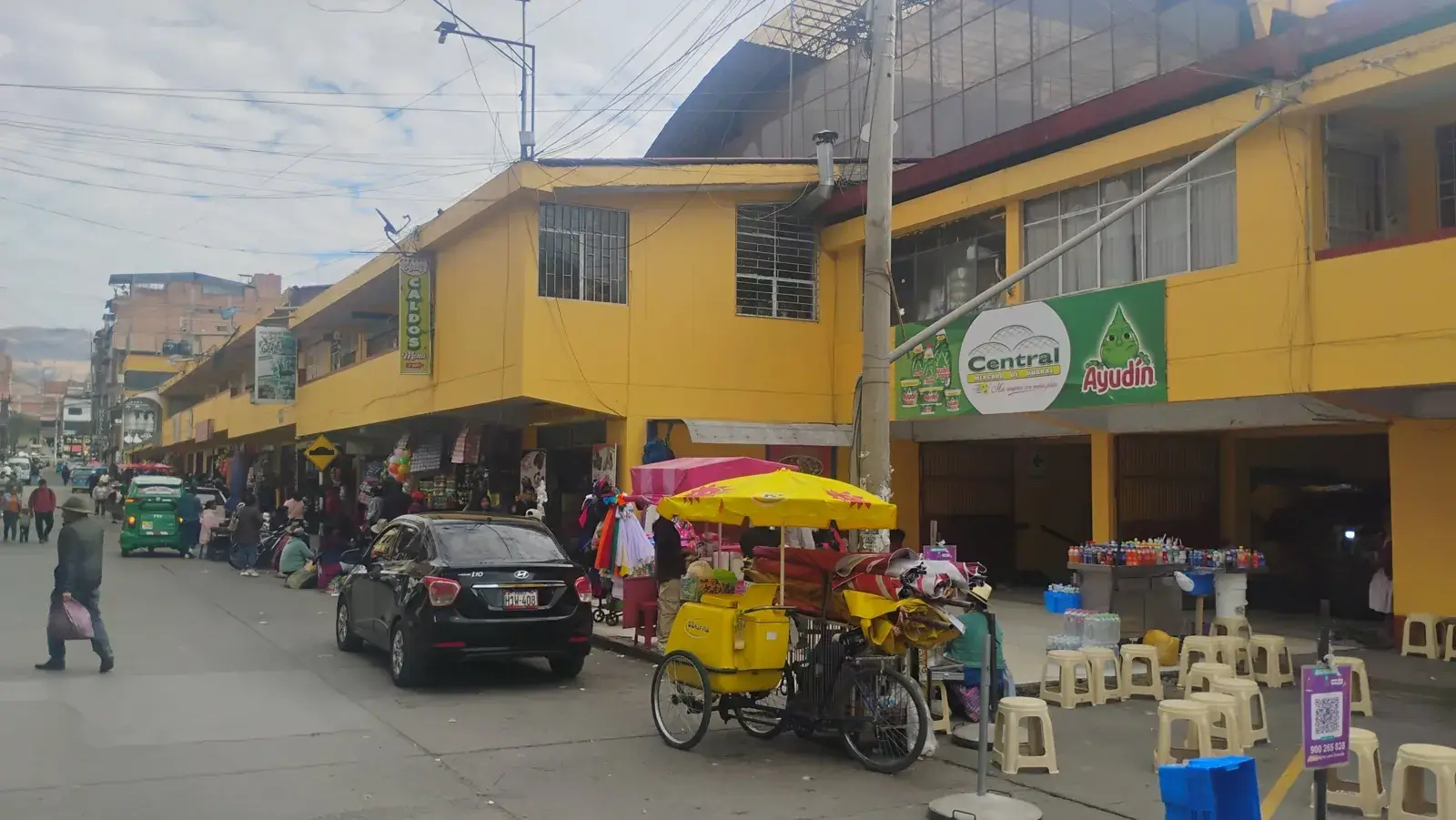
The Mercado Central is the main covered market of Huaraz, a few blocks from the Plaza de Armas, and the place where the town buys its fruit, vegetables, meat, bread and cheese. Visitors use it for a cheap local lunch, for a look at everyday Andean life and for buying fresh food before a trek. Allow about an hour, go in the morning, carry small cash and keep your bag in front of you.
Map
What the market is
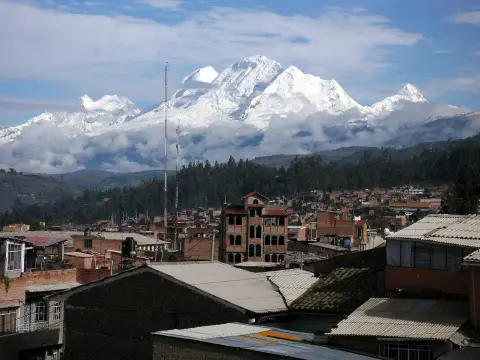
The Mercado Central de Huaraz is a two-storey building in the town centre, on Avenida Antonio Raymondi, with stalls spilling out onto the surrounding streets. Huaraz sits at about 3,050 m in the Callejón de Huaylas, the valley below the Cordillera Blanca, and the market is where farmers, traders and shoppers from the valley and the nearby villages meet. It is a working market first and a sight second, which is exactly why it is worth the time.
Inside, goods are grouped by type. Fruit and vegetable stalls fill much of the ground level, with potatoes, maize, beans, herbs and fruit brought up from warmer valleys. Butchers, cheese sellers and bread stalls sit in their own sections, and small kitchens serve meals at counters. Many stallholders wear traditional dress, and Quechua may be heard alongside Spanish. Streets around the building add clothing, plastic goods, household items and street vendors, so the edges are busier and louder than the interior.
What you will see and eat
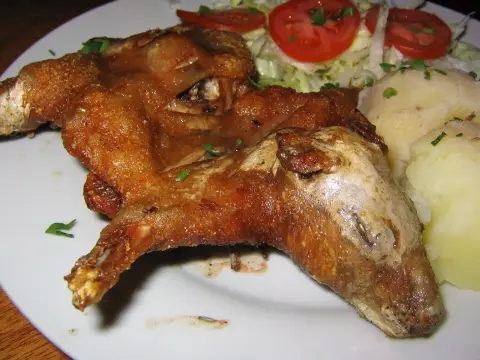
The meat section is the part that surprises first-time visitors. Cuts hang openly, and some stalls sell guinea pig (cuy), skinned and ready for the oven or the pot. It is not a display for tourists; it is simply how the town shops. Vegetarians should expect to walk through it. For what the dish is and how it is served, see cuy.
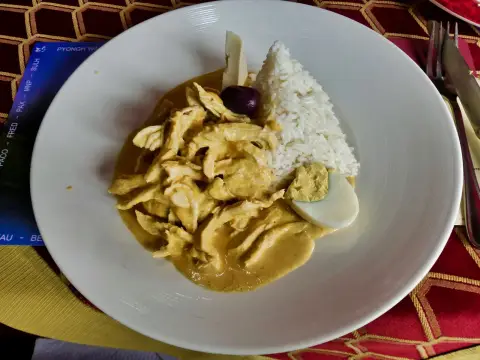
The kitchens serve what regulars eat: soups, rice with a stew or a fried cutlet, and a fixed-price set lunch that usually starts with a soup. Fresh juices and bread rolls are easy to find too. Look at what other diners have been served, and point if the Spanish is a problem.
Vegetarian travellers are not left out: reviewers mention a small vegetarian comedor inside the market that serves a fixed lunch on weekdays, though listings disagree on which floor it is on and its hours change. Ask a stallholder or walk the upper level. More on eating without meat in vegetarian food in Peru.
Tours and activities
Bookable online, chosen for their traveller reviews.
-
Day trip From €29 per person
Stocking up before a trek
For anyone heading into the Cordillera Blanca, the market is the practical place to buy fresh food for the trail: bread, cheese, fruit, nuts, dried fruit, eggs, potatoes and vegetables for camp cooking, and packets of biscuits and sweets. Prices at a local market are normally lower than in tourist-oriented shops, so compare a few stalls before buying.
Buy as late as you can before departure, because fruit and bread are fragile and the heat of a rucksack ruins soft produce. If you join an organised trek, check with the agency what is included and buy only personal snacks; if you walk independently, shop here for camp meals and pack heavy items low in the rucksack. Stoves, gas and mountain gear are not market goods; look for them in outfitters elsewhere in town. See trekking gear for what to bring and Santa Cruz trek or Laguna 69 if you are planning a specific route.
Getting there and how long to stay
The market is in the centre of Huaraz, within walking distance of the Plaza de Armas and of most hotels and hostels in the central grid. Short taxi rides within the centre are easy to arrange, but walking is usually just as quick. Keep the walk short and slow in your first days at altitude. If you are staying in the centre, see where to stay in Huaraz.
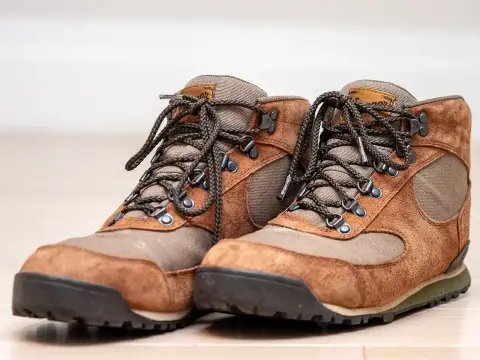
One hour is enough for a walk through the aisles, a juice or a lunch and a few purchases. Add time if you want to eat a full set lunch or buy supplies for several days. Wear closed shoes: floors in market halls can be wet, and stall edges are crowded with boxes and baskets.
Pair the market with the main square and the other sights in the centre. Things to do in Huaraz lists the town's other stops, in and around the city.
Best time and market days
Go in the morning, when produce has just arrived, stalls are fully stocked and kitchens are serving fresh food. By mid-afternoon many stallholders are packing up and the range thins. Hours may change on Sundays and public holidays, so do not leave a supply run for the last evening before an early departure.
Huaraz also has weekly food events and street markets in other parts of town. A traditional food fair is reported on the pedestrian Jirón José Olaya on Sundays, and a street market is reported on Avenida Bolognesi on Mondays and Thursdays. Both are worth asking about locally, as schedules shift. If you want to try regional dishes in a relaxed setting, the Sunday food fair is a useful complement to the central market.
The dry season, roughly May to September, brings clear mornings and the most visitors. During the rainy months, roughly November to March, the streets around the market can be muddy and the stalls crowded under awnings.
Eating carefully at 3,050 m
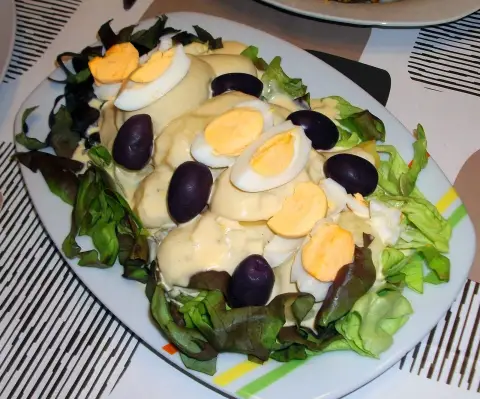
Altitude, tiredness and a new diet are a common combination in the first days in Huaraz. Eat food that is cooked in front of you and served hot, choose stalls with a steady stream of local customers and be careful with salads, cut fruit, ice and anything washed in tap water. Fruit you can peel yourself is the safest choice. Wash or sanitise your hands before eating, since market floors and shared counters are not clean in the way a restaurant kitchen is.
Heavy, greasy meals are a poor idea on your first day at altitude, and alcohol makes things worse. Start with soup, bread, fruit and plenty of bottled or treated water. Water and food safety covers the basics, and altitude sickness explains why your appetite may drop. If you plan a high trek, spend a couple of days in town first; see acclimatisation.
If you do get ill and the symptoms last, do not wait: see a pharmacist or a doctor.
Money, bargaining and behaviour
Bring small notes and coins in soles. Stalls rarely take cards and may not have change for large notes, and a pocket of coins makes buying a single bread roll or a bag of fruit simple. Money in Peru explains cash, cards and cash machines. Fixed-weight food is not bargained over; check the posted price or ask once. At non-food stalls, clothing for example, polite haggling is usual.
Ask before photographing people or their stalls. Many sellers agree, some will not, and buying something small is the polite way to start. Do not photograph the meat section if the stallholders object, and do not touch produce before you buy it unless that is what others are doing.
Crowded markets draw pickpockets. Wear a bag in front, keep the zip closed, keep your phone out of back pockets and leave your passport at the hotel. See scams and petty theft for more. For craft gifts, markets of this kind are not the best place; souvenirs lists what to look for.
Where to sleep
-
Find hotels
Huaraz centre
Services, tour offices and restaurants for the Cordillera Blanca
-
Find hotels
Monterrey
Quieter spot north of town with thermal baths
-
Find hotels
Caraz
Small town closer to the northern lakes and trails
Frequently asked questions
Where is the Mercado Central in Huaraz?
It stands in the centre of Huaraz on Avenida Antonio Raymondi, within walking distance of the Plaza de Armas. Check a map before you set off, as map apps and guides list slightly different entrances and the building is surrounded by street stalls.
How long do I need at the market?
About an hour covers a walk through the aisles and a snack or lunch. Allow extra time if you are buying supplies for a multi-day trek, so you can compare stalls.
Is the market open every day and what are the hours?
Most stalls trade daily, strongest in the morning, but hours vary by stall and day and are shorter on Sundays and holidays. Check locally rather than relying on a printed guide.
Can I buy food for a trek here?
Yes. Bread, cheese, fruit, eggs, nuts, potatoes and vegetables are all on sale, often at lower prices than in tourist-oriented shops. Buy as close to departure as possible and see trekking gear for the rest of your kit.
Is it safe to eat at the market?
Some travellers eat there without problems, but food hygiene varies from stall to stall. Choose hot, freshly cooked dishes at busy kitchens and avoid raw salads, ice and unpeeled fruit; water and food safety has more.
Is there anything for vegetarians?
Yes. A small vegetarian comedor is reported inside the market, and fruit, bread, cheese and vegetable soups are widely available. Many standard soups use meat stock, so ask before ordering; see vegetarian food.
Do I need to speak Spanish?
Basic Spanish helps a lot, especially numbers, quantities and food words, since few stallholders speak English. Pointing and showing coins works fine. The Spanish phrases page lists the words you will use.