The Museo Arqueológico de Áncash Augusto Soriano Infante is the best place in Huaraz to understand the pre-Inca cultures of the region. Its garden holds a large open-air collection of carved stone monoliths, mostly in the Recuay and Chavín traditions, and the rooms display ceramics, textiles and tools. Allow one to two hours; it is an easy, flat activity for your first days at altitude.
Map
What the museum is
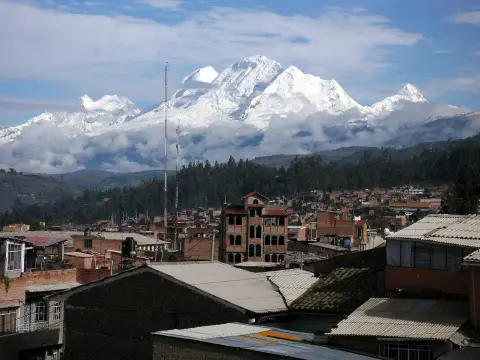
The museum stands in the centre of Huaraz, a short walk from the Plaza de Armas, at about 3,050 m. It is the main archaeological museum of the Áncash region and carries the name of Augusto Soriano Infante, a local figure associated with the study and collection of the area's antiquities. For the city itself, see the Huaraz page.
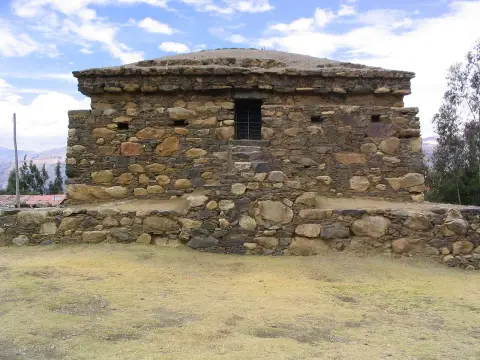
Its value is context. The valley of the Callejón de Huaylas was home to several cultures long before the Incas, and the museum lets you see their work in one place before you visit sites such as Chavín de Huántar or Wilcahuaín.
What you see
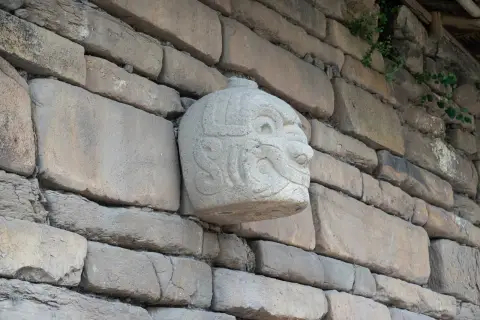
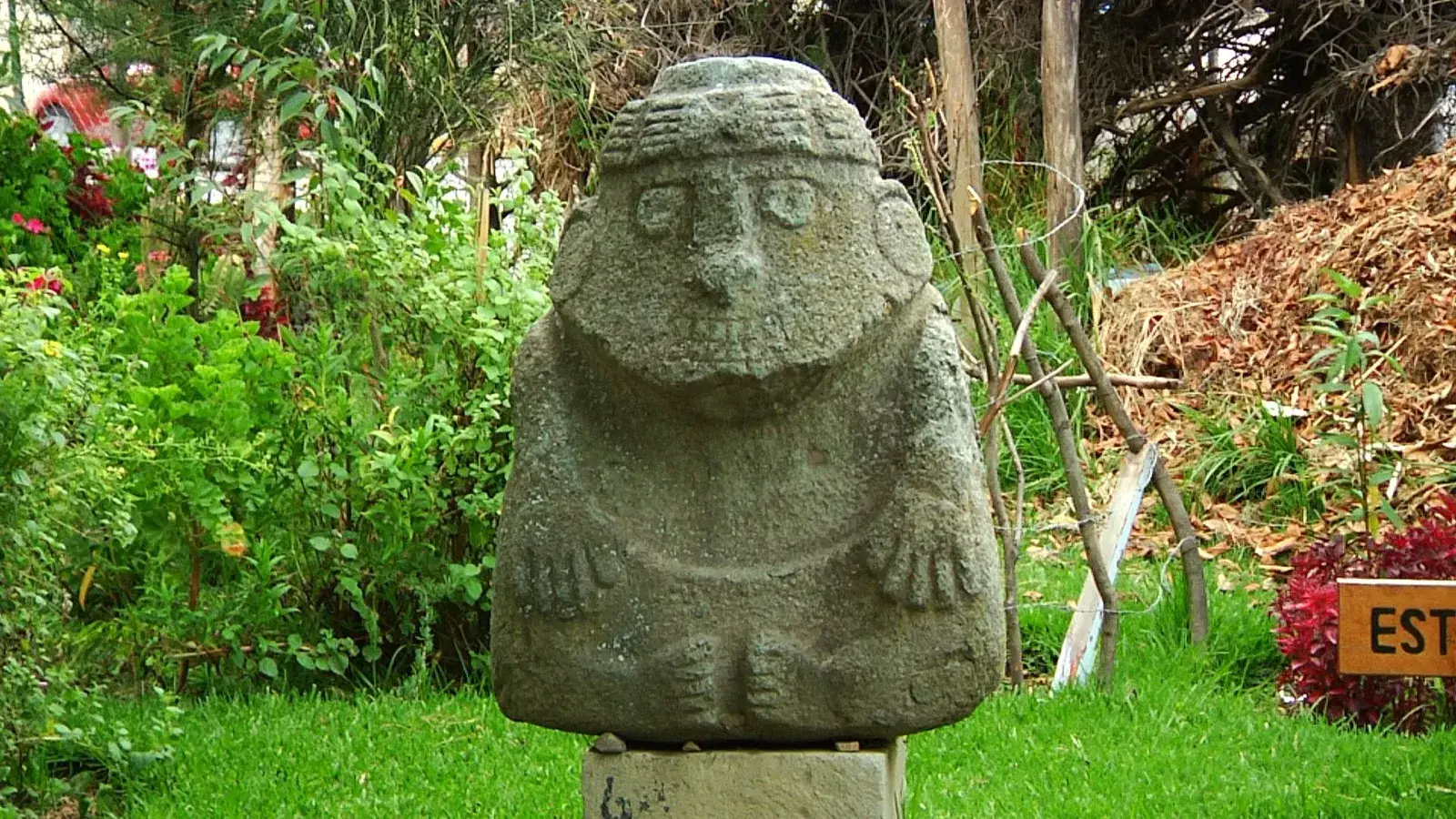
The famous part is the garden, where many carved stone monoliths stand in the open air. They are usually attributed to the Recuay culture, with some pieces linked to the earlier Chavín tradition: figures with stylised faces, felines, warriors and geometric motifs, cut into slabs and blocks. Some are reported to come from sites around the Cordillera Blanca and Callejón de Huaylas.
Inside, the rooms group objects by culture and period: pottery, stone tools, textiles, metalwork and, among the most striking pieces, skulls and the stone heads in the Chavín style. The exact selection and the labelling change over time, so treat what you read here as a guide, not a list. Information panels are mostly in Spanish.
Tours and activities
Bookable online, chosen for their traveller reviews.
-
Day trip From €29 per person
Practical details
The museum is within walking distance of most hotels in the centre. Opening days and hours have been reported as most days of the week with a break on one weekday, and there is a small entrance fee, but both can change, so ask at your lodging or at the door. Photography rules also vary; ask before using a flash.
Plan one to two hours. A guide is not needed, though a local guide can add context on the cultures; the monoliths are rewarding even if you read only the panels.
How to fit it into your days
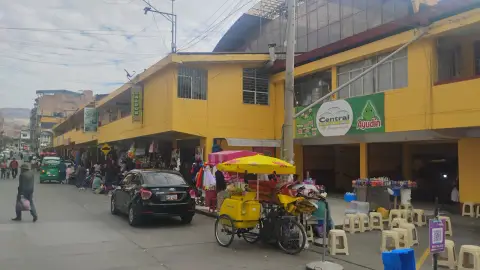
A good order is to visit the museum first, then go to Wilcahuaín or Chavín de Huántar with the cultures already in your head. It also works well on a day of rain or poor visibility, when the mountains are hidden. For other ideas, see things to do in Huaraz, the central market a few streets away and the Cordillera Blanca guide.
On foot, the museum pairs naturally with the Plaza de Armas and the cafés around it. If you are travelling with children, the open-air monoliths are usually the part they enjoy most, and the Callejón de Huaylas valley, which you will cross on later day trips, is where many of the pieces are reported to come from.
Where to sleep
-
Find hotels
Huaraz centre
Services, tour offices and restaurants for the Cordillera Blanca
-
Find hotels
Monterrey
Quieter spot north of town with thermal baths
-
Find hotels
Caraz
Small town closer to the northern lakes and trails
Frequently asked questions
Is the Áncash Archaeological Museum worth visiting?
Yes, if you have any interest in pre-Inca history. The garden of carved monoliths is unusual and the museum gives useful background for Chavín de Huántar and Wilcahuaín. It is small, so one to two hours is enough.
What are the stone monoliths in the garden?
Carved slabs and blocks, mostly attributed to the Recuay culture, with some pieces linked to the Chavín tradition. They show stylised human and animal figures. Their exact origins and dates are discussed by specialists, so rely on the museum's panels.
How much time do I need?
About one to two hours. Allow a little more if you like to read every panel.
What are the opening hours and the ticket price?
Hours and the fee change, and we do not quote figures. Ask at your lodging or at the museum door. The ticket is normally a small amount.
Is it a good activity for the first day at altitude?
Yes. It is flat, short and indoors or in a garden, which suits the first day or two in Huaraz at about 3,050 m.
Can I take photographs in the museum?
Photography rules vary and can change, so ask at the entrance before you start and before using a flash. The monoliths in the garden are the most photogenic part, especially in soft morning or late-afternoon light.
What can I combine with the museum nearby?
The Plaza de Armas and the central market are a short walk away, and Wilcahuaín or Chavín de Huántar make a natural follow-up on another day. Visiting the museum first gives you the cultural background for both.