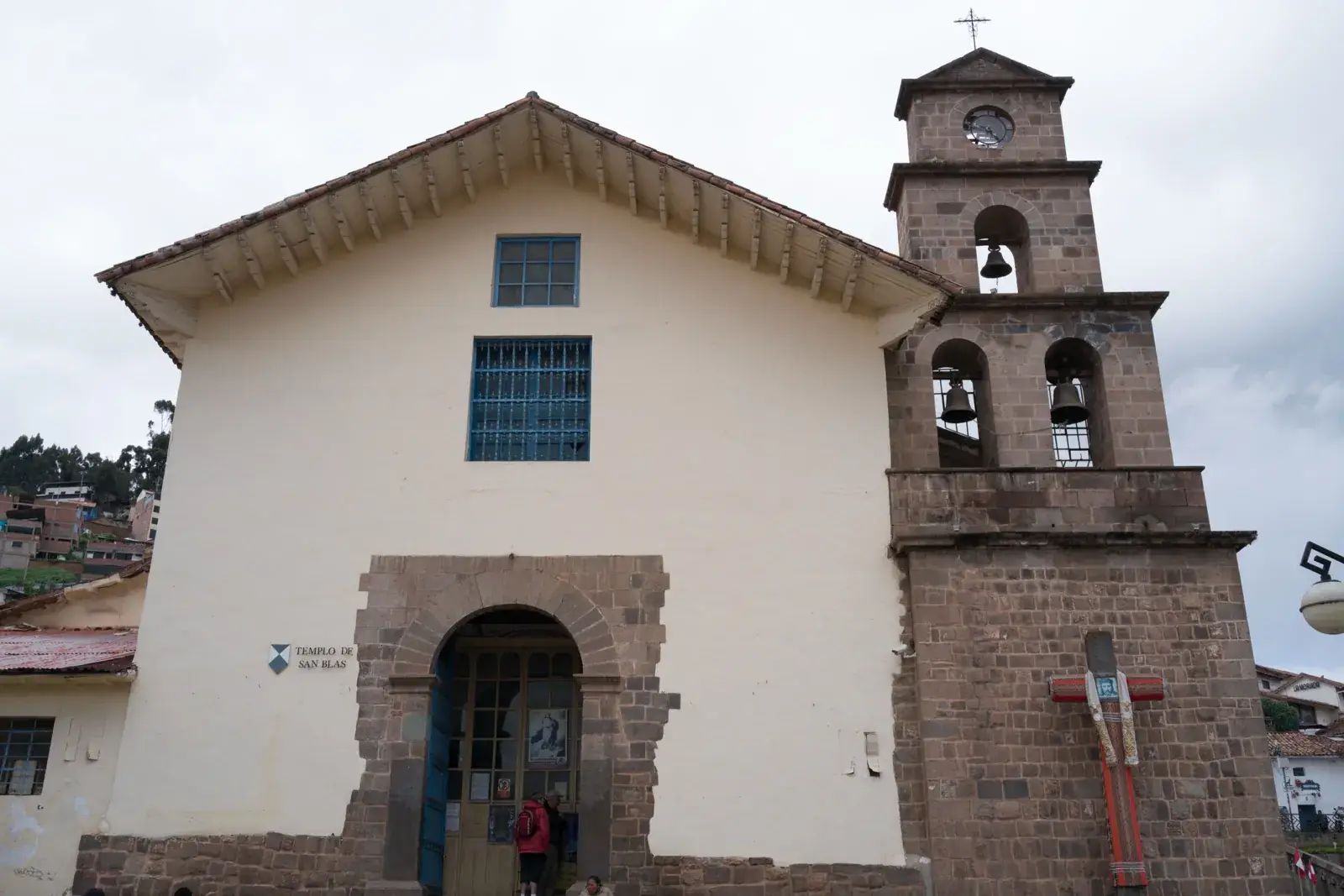
San Blas is the hillside artisans' quarter just above the Plaza de Armas in Cusco. It is a walkable district of narrow stepped streets, workshops, small cafes and a church with a famous carved pulpit, and the Twelve-angled Stone stands on its edge. Allow two to three hours, take the climb slowly because of the altitude, and go in daylight for the views.
It also works as a place to stay, with some trade-offs in steepness and night noise.
Map
What San Blas is
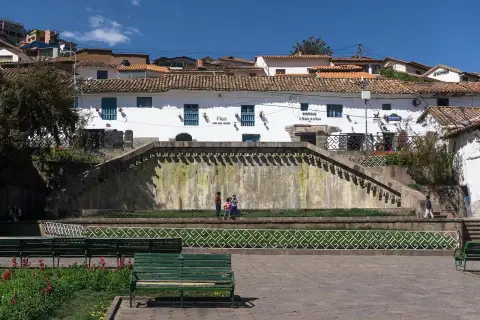
San Blas is a neighbourhood on the slope above the historic centre of Cusco, reached from the Plaza de Armas by a short but steep walk up narrow streets. It has long been associated with craftspeople, and today it is the district visitors think of first when they look for workshops, small galleries and independent cafes. The atmosphere is quieter than the main square, with whitewashed walls, wooden balconies and doorways that open onto courtyards.
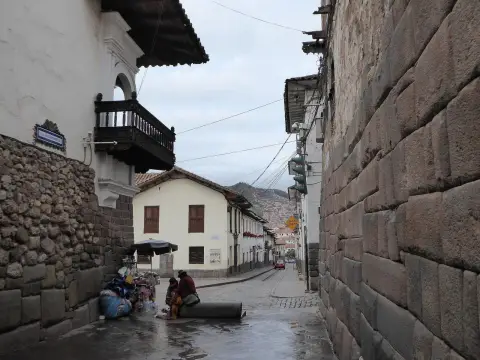
The district matters less for any single monument than for how it feels to walk through. Streets are narrow, often stepped and sometimes paved with stones that are worn smooth, and many carry traces of Inca walls at their base with colonial buildings on top. The area is a good example of how Cusco has been built in layers.
It is also a living neighbourhood, so you will meet residents, school children and delivery carts as well as visitors. Treat it as a place where people live, not only as a place to browse.
The Plazoleta and the church
The heart of the district is the small square known as the Plazoleta de San Blas, a good place to orient yourself and to catch your breath after the climb. Several craft workshops and cafes open onto it, and on some days there are stalls. Its character shifts through the week, so what you find on one day may not be there on another.
On the plaza stands the church of San Blas, a modest whitewashed building. Its best-known feature is the carved wooden pulpit, an intricate baroque piece that is widely regarded as one of the finest of its kind in Cusco. It is often described as cut from a single tree trunk, though that claim is hard to confirm and should be treated as local tradition. A story also links a skull at its top to the carver, which again is folklore.
The church has not always been open at predictable hours and may charge a small entry fee, so check on the spot before planning your visit around it.
Tours and activities
Bookable online, chosen for their traveller reviews.
-
★ Top rated From €23 per person
-
★ Top rated From €22 per person
-
★ Top rated From €23 per person
-
★ Top rated From €17 per person
The Twelve-angled Stone
One of the best-known pieces of Inca stonework in Cusco is a block with twelve angles set into a wall on Hatun Rumiyoc street, which runs along one side of the old Archbishop's Palace. It lies between the Plaza de Armas and San Blas, so it is easy to see on the way up or down. The street itself is a narrow lane with Inca walls on one side.
The stone is admired because its many faces fit tightly against the neighbouring blocks, without mortar. It is a quick way to understand what makes Inca masonry distinctive without visiting a large ruin. Expect crowds of people photographing it, and note that it is on a public street, so there is no entry fee.
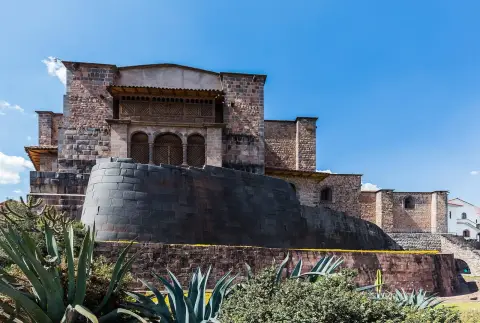
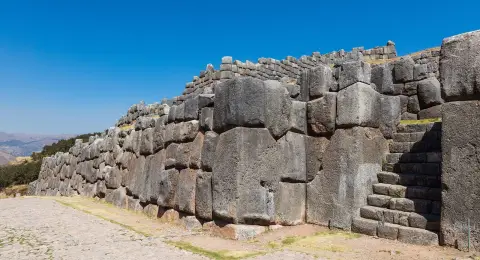
Because this is a narrow street with passing cars and pedestrians, watch your belongings while taking pictures. If you want the wider picture of Inca stonework, compare it with the larger walls at Sacsayhuamán and the refined temple masonry at the Qorikancha.
Steep streets and altitude
San Blas sits above the main square, which is already at roughly 3,400 m, and the streets that lead up to it are steep. On your first day in Cusco the climb can leave you short of breath even after a short walk, so pause often, walk slowly and carry water. A good plan is to walk down from the quarter rather than up, taking a taxi to the top if you are tired.
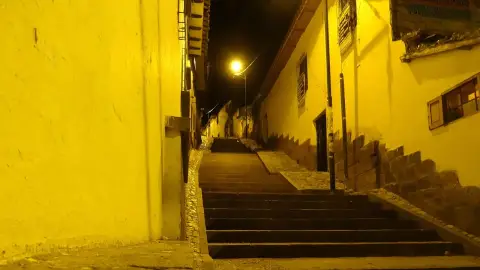
The uneven stones can be slippery after rain, and some alleys are too steep or stepped for wheelchairs or pushchairs, so the quarter is not easy for visitors with limited mobility. Wear shoes with grip. Evenings are cold, and the shade between buildings can feel chilly even at midday in the dry season.
For symptoms worth taking seriously and for how to pace the first days, see altitude sickness. If you are still adjusting, keep the visit to a relaxed stroll rather than a long loop, and read about sleeping at 3,400 m.
Workshops, cafes and views
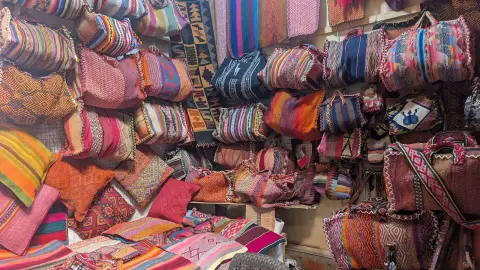
Many workshops in San Blas sell ceramics, textiles, silver jewellery, carved wood and paintings. Quality ranges from careful handwork to mass-produced goods, so look at the finish, ask where an item was made and compare a few shops before buying. Prices are not always fixed, but haggling should be polite and modest. For wider advice on what to buy and how to judge it, see souvenirs in Peru.
The cafes here are small, and most are aimed at visitors, so expect to pay more than at local lunch places. A coffee or a pastry is a pleasant reason to rest. For lunch menus at everyday prices, walk back down to the centre or on to San Pedro Market.
Viewpoints are mostly informal: a few street corners and café terraces look across the red tiled roofs towards the cathedral towers and the opposite hillsides. The light is best in the late afternoon, and a clear morning gives sharper views. Some people continue uphill towards the hillside above for a wider panorama, but that climb is demanding.
Staying in San Blas
San Blas is a popular area to stay, particularly with visitors who want a quiet-looking base within walking distance of the Plaza de Armas. The attractions are atmosphere, small guesthouses, a good choice of cafes and the feeling of being in a neighbourhood. The drawbacks are the steepness, which is hard with heavy luggage and on arrival at altitude, and the lack of taxis on the narrowest lanes.
Night noise is another point to check. Bars and restaurants in and around the plaza can be lively late, and sound carries along stone lanes. Ask about the room's position, and see whether street-facing rooms are noisy. Cold nights are also worth considering: check that heating or extra blankets are available.
If you are comparing districts, where to stay in Cusco explains the options and the trade-offs between them. If you have just flown in from sea level, a flatter base near the main square is easier for the first nights.
Walking routes and how long to allow
A simple route starts at the Plaza de Armas, passes the Twelve-angled Stone, climbs to the Plazoleta and the church, and then drifts back down through the lanes. Allow roughly two to three hours with stops, or one hour if you only want the stone and the church. Going up in the morning and coming back for lunch works well.
To extend the walk, descend towards the Qorikancha, which is a gentle downhill stroll of a few blocks from the quarter, and continue to the market. The hillside ruins above the city are a separate effort and are better kept for another half-day.
Common mistakes include arriving at midday when the sun is strong and the streets are crowded with groups, assuming that every workshop is open daily, and not allowing time for the climb. Weekday mornings and late afternoons are usually calmer. For other ideas, see things to do in Cusco.
Where to sleep
-
Find hotels
Plaza de Armas and historic centre
Everything on foot, at the price of noise and crowds
-
Find hotels
San Blas
Artisans' quarter with steep lanes and views, a short walk uphill
-
Find hotels
All of Cusco
Compare every area and price level in one search
Frequently asked questions
Is San Blas worth visiting in Cusco?
Yes, particularly if you like walking through lanes and browsing workshops. It has no major ruin to tick off, so its value is the atmosphere, the church pulpit and the nearby Inca wall.
Where is the twelve-angled stone in Cusco?
It is on Hatun Rumiyoc street, on the way between the Plaza de Armas and San Blas. It is set in an old Inca wall beside a former palace and can be seen from the street at any time.
How do I get to San Blas from the Plaza de Armas?
Walk uphill along one of the stepped streets, which takes roughly 10 to 15 minutes at a relaxed pace. A short taxi ride is possible if you are tired or arriving with luggage.
What is special about the San Blas church?
It is known for its carved wooden pulpit, regarded as among the finest in Cusco. The stories around it, such as it being cut from one tree trunk, are traditions rather than established facts.
Is San Blas a good area to stay?
It is atmospheric and walkable, but steep. Newly arrived travellers may find the climb with luggage hard, and some rooms are noisy at night, so ask about location. See where to stay in Cusco for comparisons.
Can I visit San Blas in the evening?
Yes, the main streets remain lively, but the lanes are poorly lit in places and the stones are uneven. Go in a group if you can, keep valuables out of sight and take a licensed taxi back if you are tired.
Is San Blas good for buying souvenirs?
It has many workshops and galleries, which makes it a good place to compare crafts. Prices are generally higher than in public markets, so look at quality and ask about materials before deciding.