The Mandor Gardens and waterfall are a short, easy walk from Aguas Calientes: you follow the railway towards the Hidroeléctrica station, turn off at a signed path around kilometre 114, pay a small entry fee at a booth and continue through a garden of orchids and ferns to a waterfall. Allow roughly two to three hours return, including time at the falls. Fees, hours and the state of the path change, so check them in town before you set out.
Map
What Mandor is
Mandor is a stretch of cloud forest on the left bank of the Urubamba (also called Vilcanota) river, a little downstream of Aguas Calientes, in the warm, humid gorge below Machu Picchu. It is a privately run garden rather than a national park or an Inca site, and it exists to let visitors walk through native forest to a waterfall. Local sources usually call the area Mandor Pampa or Mandorpampa, and the two names, with "gardens" and "falls" as add-ons, refer to the same place.
It matters to travellers for a simple reason. Most people who sleep in the town have a free afternoon before or after the ruins, and Mandor is one of the few things to do that is neither a hot spring nor a market. It is also lower than Cusco and the Sacred Valley, at roughly the same altitude as the town itself, so it is a gentle outing for someone still adjusting to the Andes. It sits outside the citadel, so it does not need a Machu Picchu ticket, and it makes a natural add-on to a night in Aguas Calientes.
A little history
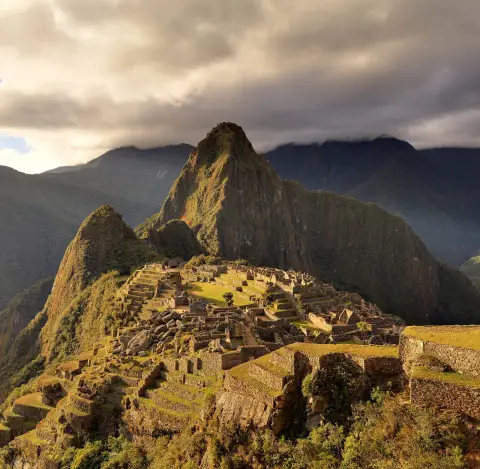
Mandor is better known for its forest than for its past, but the name appears in the story of Machu Picchu. The valley below the citadel was an access route long before the railway, and some accounts say that Hiram Bingham passed through Mandorpampa in July 1911 on the way to the ruins. Treat that as a local tradition to confirm rather than a fixed fact.
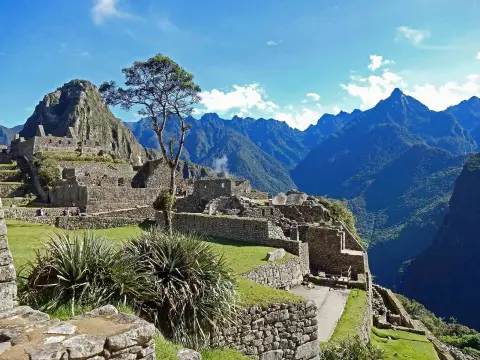
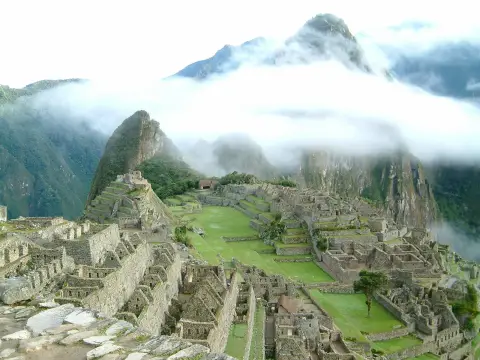
Tourism sources also mention Inca foundations and platforms found in the area and possible links with the work camp that served the construction of Machu Picchu. These claims come mainly from tour operators and have not been confirmed here, so do not expect signs, restored walls or an archaeological visit. What Mandor offers is the setting: the same cloud-forest slopes that surrounded the Inca site, without the crowds of the citadel itself. Anyone who wants the ruins should go to Machu Picchu, and Mandor is best taken as a walk, not a monument.
Tours and activities
Bookable online, chosen for their traveller reviews.
-
★ Top rated From €49 per person
Aguas Calientes
Machu Picchu Entry Ticket for Circuit 1, 2 or 3
-
From €179 per person
Aguas Calientes
Private Machu Picchu Tour with Guide, Entry and Bus
-
From €139 per person
Aguas Calientes
Machu Picchu Guided Tour from Aguas Calientes with Bus
-
From €126 per person
Aguas Calientes
Machu Picchu Small-Group Tour with Entry Ticket
The walk from Aguas Calientes
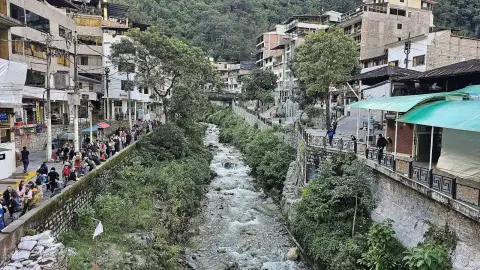
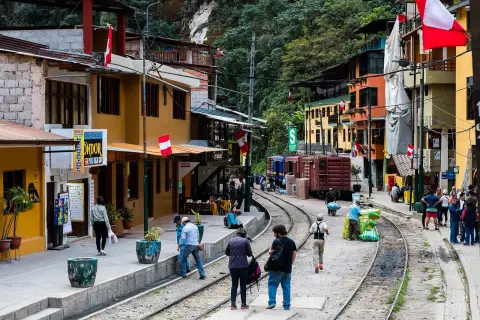
The usual way is on foot along the railway line that runs through the gorge, in the direction of the Hidroeléctrica station, away from the town centre. The track is flat at first and the walk to the turn-off is commonly given as about half an hour, around 2 km. A sign marks the path to the gardens at about kilometre 114 of the line, and a booth at the entrance of the garden collects the entry fee.
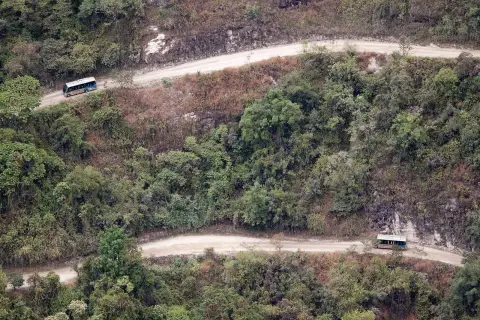
Inside the garden, a path of about another half an hour climbs gently through vegetation to the waterfall. Some guides also describe an alternative approach by the road used by the Machu Picchu buses and a flight of steps up to the tracks, which is worth asking about in town. Expect uneven ballast on the track, wet stones on the forest path and a few stream crossings by bridge or stepping stones. Because the line is still used by trains, read the safety note below before you start, and check how to get around Machu Picchu if you plan to combine the walk with the morning bus.
What you see
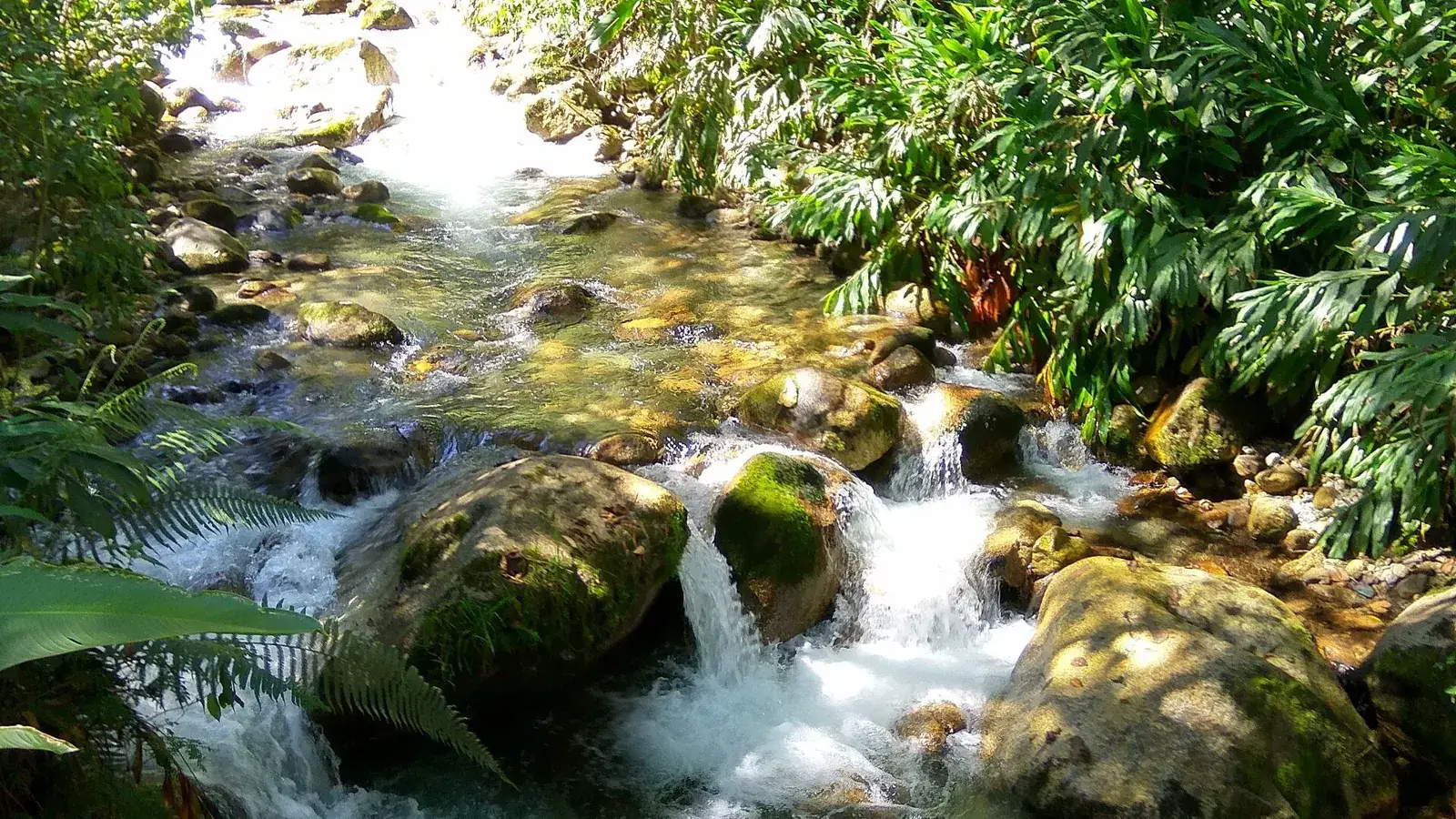
The main attractions are the garden and the waterfall. The garden path passes ferns, begonias, bromeliads, trees draped in moss and many orchids, with a good chance of hummingbirds, tanagers and butterflies. This is the cloud-forest side of the Machu Picchu area, so some sources add the spectacled bear, but it is shy and visitors should not expect to see one.
The waterfall drops into a cold pool and then runs to the Urubamba. Sources commonly give its height as about 30 m, although at least one visitor has described a lower, more modest fall, so keep your expectations moderate. Volume depends on the season: it is fullest in the rainy months and thinnest in the dry months. Swimming is possible for some, but the water is cold and the rocks are slippery, and nobody should enter it alone. A walk to the falls is rewarding for the forest more than for the fall alone.
Entry, hours and time needed
Reports mention an entry fee of about 10 soles for foreign visitors, with a lower fee for Peruvians, paid in cash at the booth by the path. Hours are usually quoted as opening in the morning and closing in the late afternoon, but there is no single official schedule, and the fee and opening times are the details most likely to be out of date. Carry small notes and ask at your hotel or at the tourist office on the day.
Plan for two to three hours return from Aguas Calientes, which allows the walk along the line, the garden path, a rest at the falls and the return. It fits well in an afternoon, or in the free morning before an evening train. If you have a Machu Picchu entry for the early hours, do the ruins first and Mandor later, because a long walk the day before an early start is a poor trade. The Machu Picchu in how many days page helps you decide what else to fit in.
When to go and what to bring
The dry season from roughly May to September gives firmer ground, clearer light and a lower chance of rain, while the wet months from about November to March bring a fuller waterfall, mud and more mosquitoes. Morning is generally better for light and cooler air, and the forest is shaded and damp at any time of year. The seasonal pattern is explained in Machu Picchu weather and the best time for Machu Picchu.
Bring shoes with grip, a light waterproof, insect repellent, water and a small amount of cash, as there are no shops on the route. The packing list covers the rest. Do not drink from the streams, and see water and food safety for what to carry.
Who it suits and what to combine it with
Mandor suits walkers of ordinary fitness who like forest, birds and plants and have half a day spare. The effort is low compared with the trekking routes, but the uneven footing makes it a poor choice for people with limited mobility, and small children need holding near the track and the water; see Machu Picchu with children. It is less rewarding if you want a big viewpoint, because the forest hides most views.
It combines easily with a night in town, since you can walk it the afternoon before or after the ruins, and with the thermal baths for tired legs. If you arrive on foot at the end of the Inca Jungle trek or the Salkantay trek, you will probably have seen similar forest already, and a rest day is more useful. For where to sleep, see where to stay at Machu Picchu.
Where to sleep
-
Find hotels
Aguas Calientes
Sleep at the foot of Machu Picchu for an early entry
Frequently asked questions
How far is Mandor from Aguas Calientes?
About 2 km to the signed turn-off along the railway, then roughly another half hour on the garden path to the waterfall. Together it is commonly given as about an hour each way, but reports differ, so ask in town.
Do I need a Machu Picchu ticket to visit Mandor?
No. Mandor is outside the citadel and has its own small entry fee, paid at the booth. Your Machu Picchu ticket is for the ruins only.
How much does Mandor cost?
Reports mention about 10 soles for foreign visitors, with a lower fee for Peruvians, paid in cash. This is the detail most likely to have changed, so confirm it before you walk out.
Is the walk to Mandor safe?
It is a simple walk, but you share the first part with an active railway. Keep to the side of the track, listen for trains and do not walk after dark. See safety in Peru for general advice.
Can I swim at the Mandor waterfall?
Some visitors do, but the pool is cold, the rocks are slippery and the depth is not reliable. Swim only if you feel comfortable and never alone, or simply stay at the edge.
Is Mandor worth it if I have only one day in Aguas Calientes?
Probably not on a day trip, when the ruins and the return train take all your time. With a night in town it is a good use of a spare afternoon. See how many days for Machu Picchu.
Is there a bus or taxi to Mandor?
Local sources report no regular public transport to Mandor, because the approach is on foot along the railway. Check in town for any changes, and allow time for the walk back before dark.