Peru splits into three very different zones: a dry desert coast, the Andean highlands and the Amazon basin. A first visit usually combines Lima, Cusco with the Sacred Valley and Machu Picchu, and sometimes Arequipa, Lake Titicaca or a short Amazon stay. Allow at least ten days for that, longer if you want to trek or add the north.
Plan in this order: dates and season, then altitude, then the route, then bookings that sell out, such as Machu Picchu entry and Inca Trail permits.
The three Perus
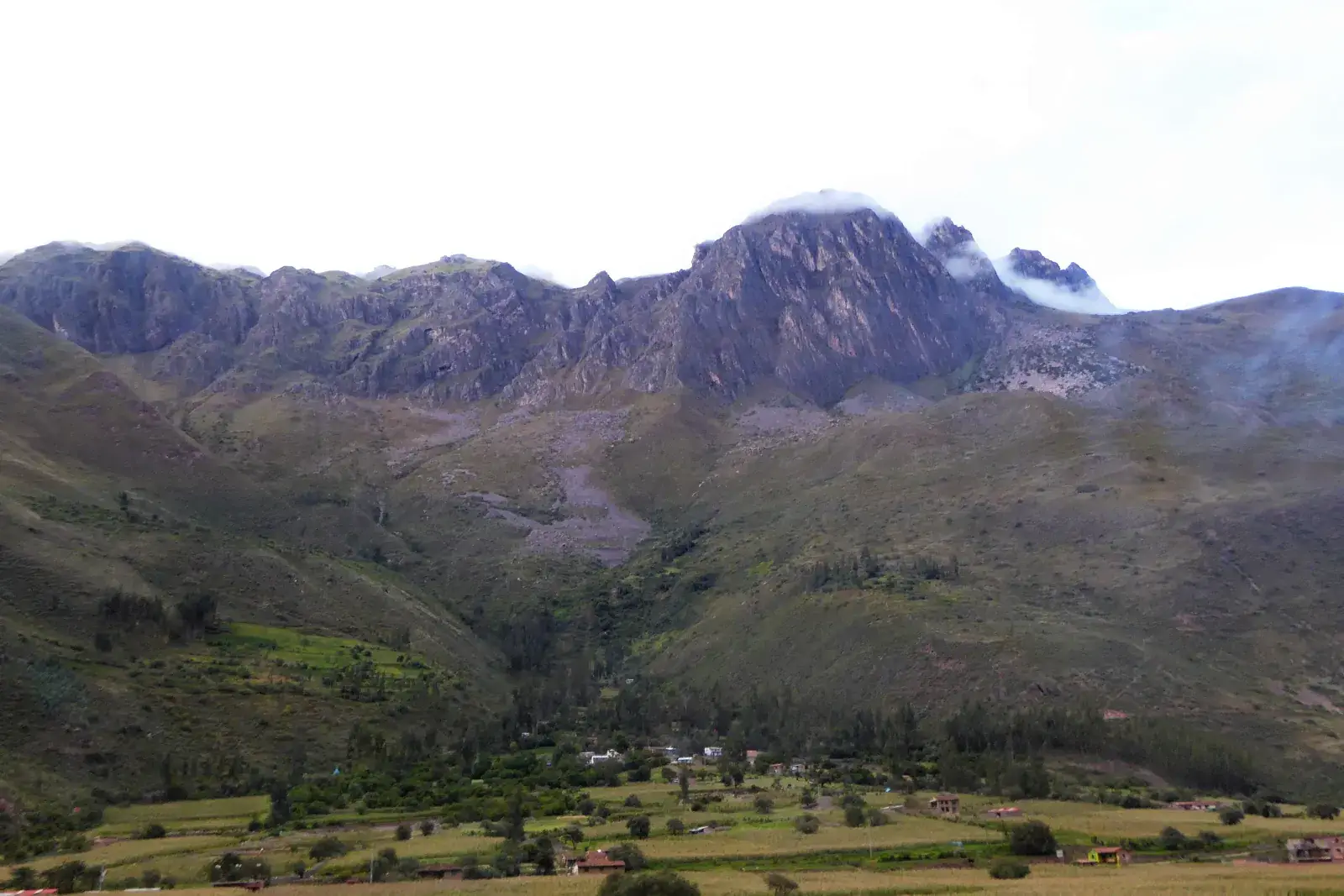
The coast is a narrow desert strip where Lima, Paracas, Nazca and the northern beaches sit. It is mild, often grey and humid in the capital for much of the year, and food is its great strength. The highlands run down the middle: Cusco, the Sacred Valley, Arequipa, Lake Titicaca and the great trekking ranges. This is where altitude matters and where most of the historic sites are. East of the mountains lies the Amazon side, with jungle lodges around Puerto Maldonado and Iquitos, reached mainly by air or long river and road journeys.
Weather works differently in each zone, which is why a single answer to "when should I go" does not exist. Weather by region sets the zones side by side.
How long to allow
A week lets you see Lima, Cusco and Machu Picchu, but you will spend a large share of it in transit. Ten to fourteen days is the comfortable range for a first visit: it leaves a buffer for altitude and for a delayed flight or a closed road. Three weeks opens the south loop of Arequipa, Colca and Titicaca, or a multi-day trek without a rush.
The common error is adding cities rather than days. Peru is large, and each extra base costs most of a day in transfers. If time is short, cut a city, not the rest day. The itineraries show how the same country looks in five, seven, ten and fourteen days, and too many cities explains why a packed list of stops tends to disappoint.
The classic first route
Most first visits follow one shape. Fly into Lima and spend a night or two on the coast, where the food and the museums are the reason to stay. Fly to Cusco, or better still go straight on to the Sacred Valley, which sits several hundred metres lower and makes a gentler first night in the mountains. Then reach Machu Picchu by train or on foot, and return to Cusco to see the city itself before flying home.
That skeleton works because it climbs in steps and puts the one fixed-date item, Machu Picchu, in the middle where a delay can be absorbed. Extras slot in around it: Arequipa and the Colca Canyon for a south loop, Puno for Lake Titicaca, Paracas and Huacachina for the desert coast, or a short Amazon stay from Puerto Maldonado. Each addition is a trade, and the guides on Lima, Cusco and Arequipa say how many nights each one needs.
What sells out, and what does not
Most of Peru can be arranged a few days ahead. A short list cannot. Entry to Machu Picchu is ticketed by time slot and circuit and fills in busy months, the classic Inca Trail requires a permit that is released in advance and sells out well ahead in high season, and some train times to Machu Picchu go early. Book those as soon as your dates are firm, then leave the rest loose.
Domestic flights and long-distance buses are cheap relative to Europe, but schedules change and strikes or road blockades can interrupt them. Transport and strikes and blockades explain how to build slack into the plan, and for the order in which to book the parts that interact, see Machu Picchu tickets.
Choosing a season
The highlands have a dry season from roughly May to September, with clear days and cold nights, and a wetter season from roughly November to March. That is the headline, but the best month for you depends on whether you value empty trails, green scenery or festivals. The dry months are the busiest on every popular route. The Amazon is hot all year and its rainfall changes the logistics, not the temperature.
Each month has its own detail for a closer look, and the dry season and the rainy season cover what to expect in each. If your dates are fixed by work or school, read the relevant month first and shape the route around what it allows, rather than the reverse.
Getting around between regions
Distances in Peru are measured in mountains, not kilometres. The usual pattern is to fly over the long gaps, such as Lima to Cusco or Lima to Arequipa, and to use buses and trains for the shorter hops within a region, such as Cusco to the Sacred Valley or Arequipa to Puno. Overnight buses exist on most long routes and save a hotel night, at a cost in sleep that is easy to underestimate when you are also adjusting to altitude.
For each leg, flights and buses explain what to compare, and trains cover the scenic services. Whatever you choose, keep the final days before an international flight free of long overland journeys, because a blocked road is the most common reason a plan fails.
Money, health and safety in brief
Peru is generally straightforward for visitors who take ordinary precautions, and the details are covered topic by topic. Altitude is the main health issue for most people, and for symptoms and sensible planning, see altitude sickness; for vaccines and disease risks in the lowlands, a doctor or travel clinic should be asked well before departure. On crime and scams, safety is proportionate rather than alarmist.
On money, cash in soles is needed for markets, small shops and local transport, while cards work in many hotels and restaurants. Costs depend mostly on the big items rather than daily spending, which budget explains.
Frequently asked questions
Is ten days enough for Peru?
It is enough for a good first visit if you limit yourself to Lima, the Cusco region with Machu Picchu and one extra stop. It is not enough for everything, and trying to cover the whole country in that time usually backfires.
Do I need a guide to visit Peru?
For most cities and Machu Picchu circuits you can travel independently, though some sites and treks require a licensed guide or operator. The details for each trek and for Machu Picchu say where this applies.
What should I book before anything else?
Flights, then anything with a limited quota: Machu Picchu entry, the train, and permits if you plan the Inca Trail.
Which city should I fly into?
Lima is the main international gateway and the usual first stop, since most long-haul flights land there. Some travellers connect on to Cusco the same day, but starting on the coast and climbing is generally gentler.
Is Peru suitable for a first trip to South America?
Yes, because the main circuit is well organised, with plenty of tourist infrastructure and clear logistics. The main adjustments are altitude and distances, not language or paperwork. Check the entry requirements for your passport before booking.
Is it better to go with a tour or independently?
A mix usually works best: independent travel between cities and in towns, and organised tours for treks, remote sites and the Amazon. Independent versus guided weighs the trade-offs.
What is the biggest mistake first-time visitors make?
Trying to fit in too much, and flying into Cusco without any time to adjust to the height. First-timer mistakes lists the others, along with how to avoid them.