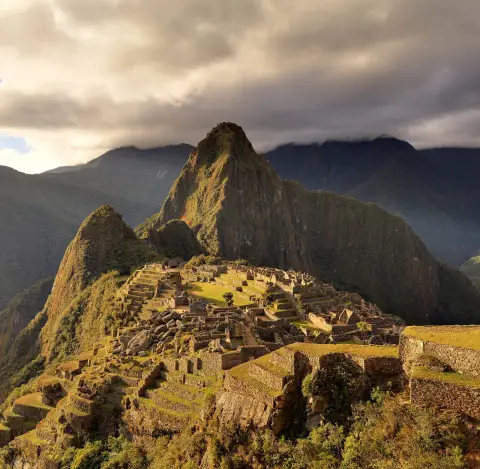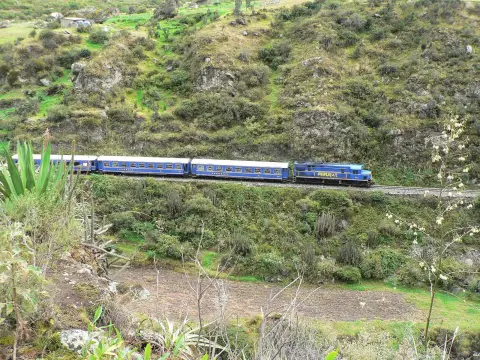
The Aguas Calientes artisan market is a dense cluster of souvenir and craft stalls next to the train station, between the station and the river. Most travellers walk through it on arrival or departure. It suits a short browse of one hour or less, ideally the evening before or after Machu Picchu, rather than serious shopping: the stock is aimed at day visitors, prices are not guaranteed to be lower than in Cusco, and you need cash in soles.
Map
What the market is
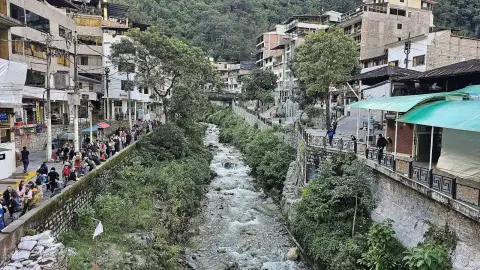
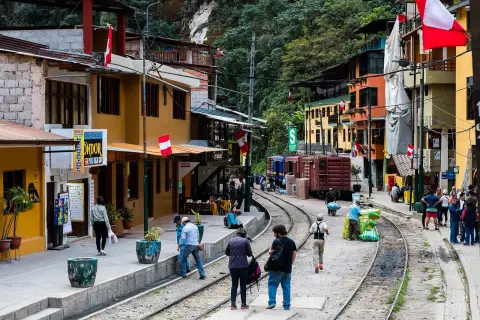
The artisan market of Aguas Calientes, officially Machu Picchu Pueblo, is a block of closely packed stalls where the town sells crafts and souvenirs. It stands by the railway station, in the narrow strip between the station and the Aguas Calientes river, which is why so many visitors find it without looking: leaving the platform, the easiest path often leads straight through the stalls. One guide counts more than 200 stalls, although the number is an estimate and changes.
It is a market for visitors, not for local shopping. People who live in the town buy their vegetables, bread and household goods elsewhere, and the town itself is described in the Aguas Calientes guide. The market exists because every traveller to Machu Picchu passes through this one small town, usually carrying a day bag and a few hours to spare.
A short history of a very young market
Aguas Calientes is not an old town. It grew up around the railway and the hot springs that gave it its name, and for decades it was a small settlement of railway workers, traders and a few guesthouses. As visitor numbers to the citadel rose, its economy turned almost entirely to tourism, and the craft market grew with it.
This matters for what you see. There is no centuries-old market tradition here, as in the highland towns of the valley, and the stalls do not represent one community. Sellers come from Cusco, the Sacred Valley and elsewhere, and goods arrive by the same train as the visitors. Think of it as a convenient shop floor for souvenirs rather than a place to see how local crafts are made.
Tours and activities
Bookable online, chosen for their traveller reviews.
-
★ Top rated From €49 per person
Aguas Calientes
Machu Picchu Entry Ticket for Circuit 1, 2 or 3
-
From €179 per person
Aguas Calientes
Private Machu Picchu Tour with Guide, Entry and Bus
-
From €139 per person
Aguas Calientes
Machu Picchu Guided Tour from Aguas Calientes with Bus
-
From €126 per person
Aguas Calientes
Machu Picchu Small-Group Tour with Entry Ticket
What the stalls sell
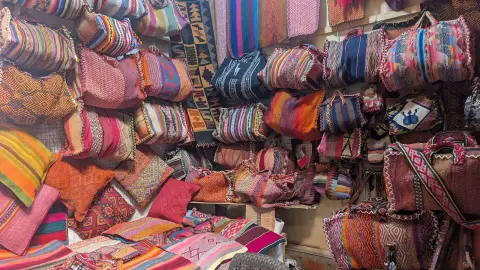
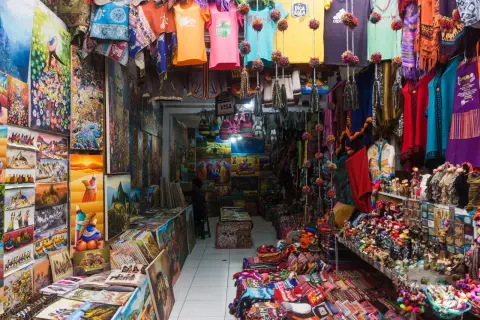
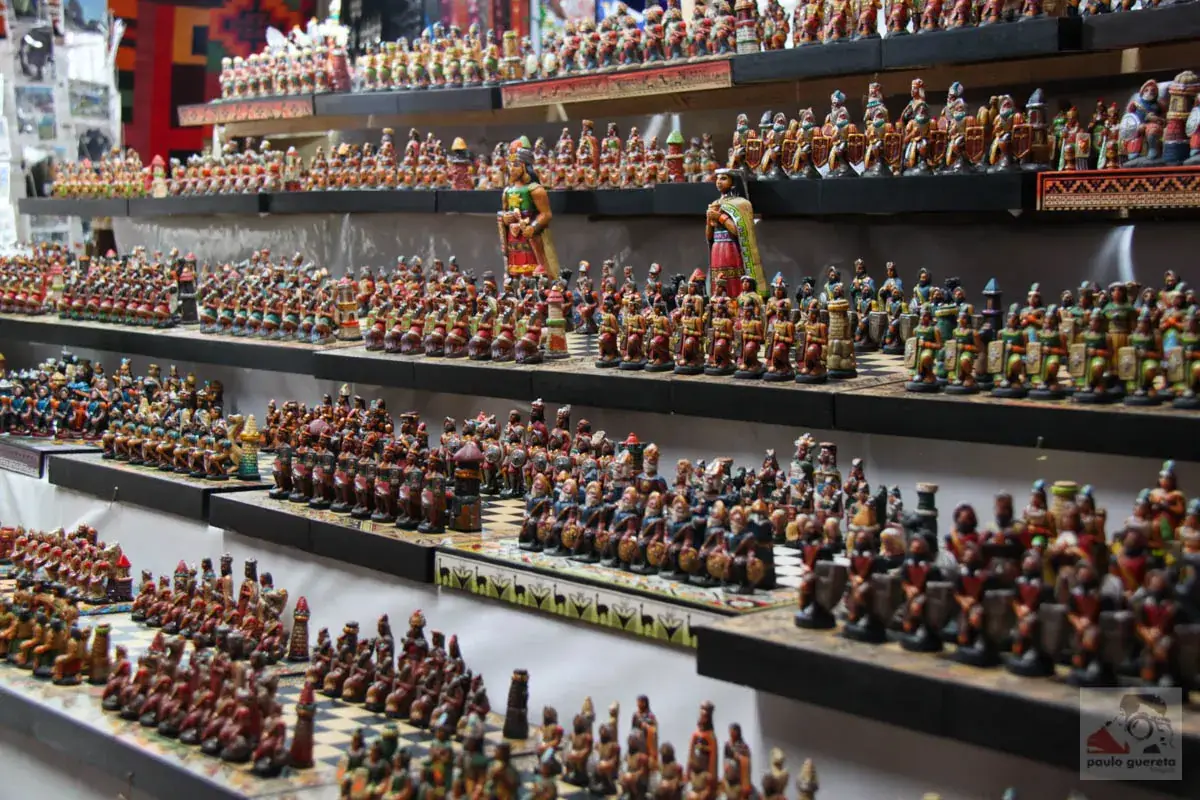
The range is the usual Andean souvenir list. Textiles are the bulk of it: sweaters, scarves, gloves, ponchos, hats with ear flaps, bags and blankets. Beyond cloth there are ceramics, carved stone and wood, painted figurines, small musical instruments such as pan pipes, silver jewellery, keyrings, paintings and Machu Picchu themed T-shirts. Shelves of small painted figures of Inca characters are a particular sight in the town.
Quality varies from handwoven to factory-made, and the label rarely tells you which. Alpaca is often claimed, but a synthetic blend sold as alpaca is the commonest problem. The guide to souvenirs in Peru shows how to check fibre, stitching and finish. If you want a few quality pieces, a better-known craft centre in Cusco or the Pisac market gives more choice, and compare prices before buying.
When to browse
Most people see the market twice by accident: when they arrive off the train, tired and eager to find a hotel, and when they leave, with a few minutes before the return service. Neither is ideal. Better is the evening before your visit, once you have checked in, when you can walk through without luggage and decide what to buy. Remember that the first buses to the ruins leave early, as explained on the Machu Picchu buses page, so do not stay out late.
Another good time is after the ruins, when you are back in town with some hours before your train. Shop opening hours have been reported as roughly from morning until evening every day, but they vary by stall and season, so treat any hours as approximate. The market is busiest when trains arrive and when day trippers return, and quietest in the early morning and late evening.
Prices, bargaining and cash
Expect to bargain at craft stalls. Prices start high because many customers are one-time visitors, and a polite counter-offer, especially for several items, is normal. Do not haggle over food or drinks sold at posted prices. Remember that a handwoven piece involves days of work, and a very low price usually means a machine-made one.
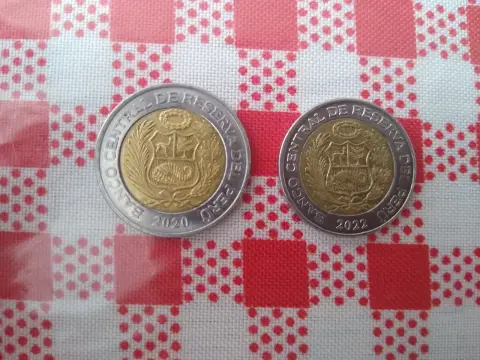
Prices in Aguas Calientes tend to be higher than in the valley because everything is brought in by train. Bring soles in small notes and coins, since many stalls prefer cash and may lack change for large notes. Cash machines exist in the town but may run short, so withdraw before you arrive; the practical advice is in money and ATMs. Carry your passport anyway, because you need it for the train and the ruins.
Luggage, weight and what to skip
Weight is the practical limit. Train services to Machu Picchu have baggage rules, with limits on the size and weight of what you may carry on board, and the entrance to the citadel also restricts large bags. Check the rules in trains to Machu Picchu and what to bring before buying anything big. Fragile pieces such as ceramics and carved stone are heavy and awkward on the way back.
The sensible approach is to buy light things at the end of the trip: a scarf, a small textile, jewellery. Leave bulky purchases for Cusco or for your last day in Lima. If you do buy something large, ask whether the seller can wrap it well and keep the receipt in case of a dispute.
Combining it with your night in town
The market fits easily into the usual one-night stay described in the Aguas Calientes guide. A simple plan is to arrive, check in, eat early, browse the stalls and the main street for an hour and go to bed in time for the dawn queue. The thermal baths on the edge of town and the river walk fill the rest of the evening.
If you are planning how long to spend in the area, how many days to allow for Machu Picchu and where to stay explain why most visitors choose one night. For a bigger and more traditional market on the way, Pisac in the Sacred Valley has much more to see, and the produce market of San Pedro in Cusco is the place for everyday food.
Where to sleep
-
Find hotels
Aguas Calientes
Sleep at the foot of Machu Picchu for an early entry
Frequently asked questions
Where is the Aguas Calientes artisan market?
It is beside the railway station of Aguas Calientes (Machu Picchu Pueblo), between the station and the river. Most visitors walk through it when they leave the platform, so it is hard to miss.
Is the artisan market open every day?
It is reported to open daily, from morning until evening, but hours vary by stall and season and no official schedule is guaranteed. Check on arrival, especially if you plan to shop on the day you leave.
Is it cheaper to buy souvenirs in Aguas Calientes or Cusco?
Not reliably cheaper here. Everything is brought in by train, and the stalls are aimed at day visitors. Compare with Cusco and the Pisac market before buying, particularly for textiles.
Can I bargain at the market?
Yes at craft and souvenir stalls, politely and more easily when you buy several items. Do not bargain over food or drink at posted prices, and be wary of prices that seem too low for handwoven work.
Do the stalls take cards or dollars?
Do not count on it. Bring soles in small notes and coins, and withdraw before you arrive, since cash machines in town can run low. See money and ATMs for the details.
How long should I spend at the market?
Half an hour to an hour is enough for most people. The market does not need a separate trip, and it fits between check-in and dinner or in the hours before your return train.
Is the alpaca sold here real?
Some of it is, and some is a synthetic blend sold as alpaca. Check the label, the feel and the price, and read souvenirs in Peru for simple tests. Handwoven pieces cost more than machine-made ones.