The Pisac market is a craft market with a produce market beside it, in the village of Pisac at the start of the Sacred Valley. Sunday is the busiest day, with smaller market days during the week, so check locally before you plan around it. Give it one to two hours, buy textiles, ceramics and silver from stalls you have compared, pay in small notes, and keep the ruins above town for the same day.
Map
What the market is
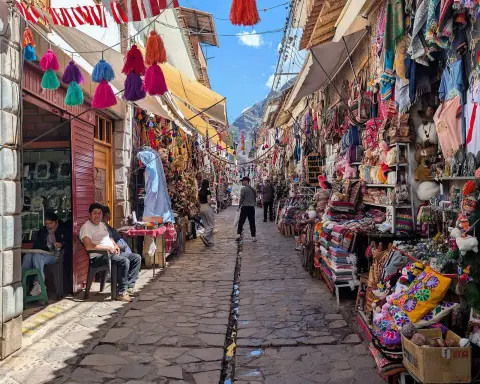
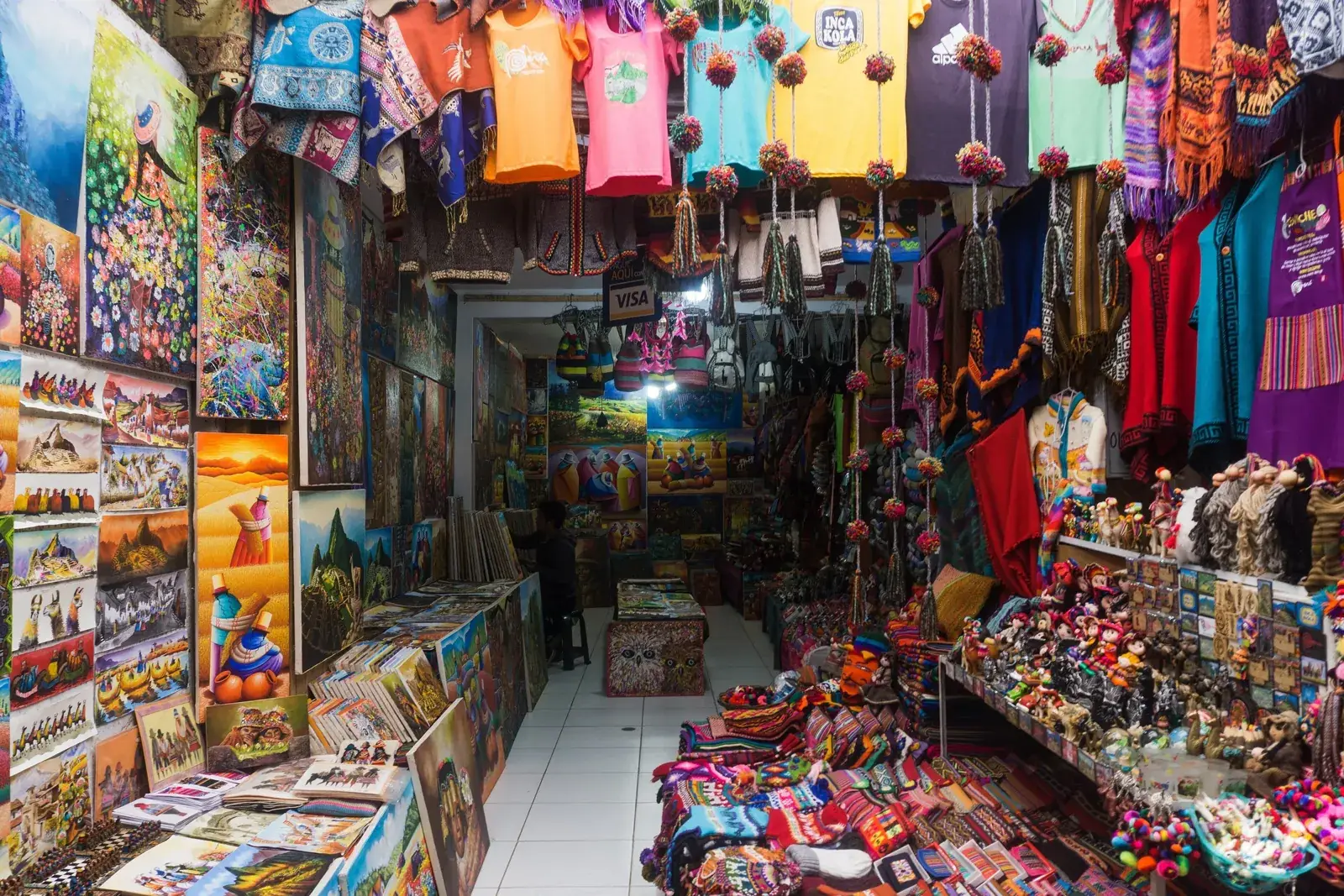
The Pisac market is two things that share a town. One is a craft market aimed at visitors, with rows of stalls selling textiles, ceramics, jewellery and carvings. The other is a food and produce market for local people, where growers and families from the surrounding villages sell vegetables, grains and bread. Travellers tend to find the first and miss the second, which is a pity, because the second is what gives the place its character.
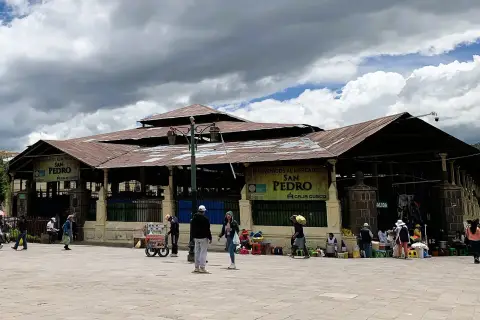
The market sits in the village below the citadel described on the Pisac town page, at roughly 2,900 m, the first stop most travellers make in the Sacred Valley. The layout has changed over the years, with part of the craft trade moved into a permanent space near the plaza and shops on the side streets, so the market no longer fills one single square on every day.
Which day to go
Sunday is the main market day and the busiest. Growers come in from the villages, produce stalls spread across the area, and the plaza is crowded with both locals and tour groups. There are also smaller market days during the week, usually reported as Tuesday and Thursday, while the craft stalls are open on most other days as well. Days and hours do change, so confirm them locally before building a day around the market.
On Sundays the church on the plaza has traditionally held a Quechua-language Mass late in the morning, attended by community authorities carrying ceremonial staffs. It is worth watching from the back and with respect, without photographing people close up. If you want a quiet look at the stalls rather than atmosphere, a weekday morning is calmer, although fewer farmers will be there.
Tours and activities
Bookable online, chosen for their traveller reviews.
-
★ Top rated From €23 per person
-
★ Top rated From €22 per person
-
★ Top rated From €23 per person
-
★ Top rated From €17 per person
What is sold
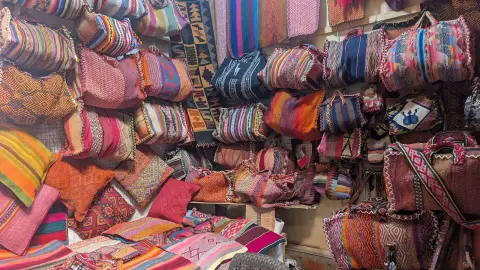
The staple of the craft stalls is textiles: alpaca-style sweaters, scarves, ponchos, bags, table runners and the woven belts and blankets of the region. Beyond cloth there are ceramics, painted gourds, carved wood, silver jewellery, small musical instruments, leather goods and the retablos and figurines sold as gifts.
Quality and origin vary widely, and part of the stock is machine-made or brought in from elsewhere. Look at the stitching and the ends of the weaving, and compare how a piece feels with a few others before you buy. A synthetic fibre sold as alpaca is the commonest problem, and souvenirs in Peru explains how to tell the difference. Prices are not guaranteed to be lower than in Cusco, so there is no hurry to buy at the first stall.
Bargaining and paying fairly
Bargaining is normal at craft stalls and not at food stalls, where prices by weight or by piece are simply posted or stated. Start with a friendly greeting, ask the price, and counter with a lower figure if you wish. A modest discount is reasonable, especially when you buy several items, but pushing hard on a handmade piece that took days to weave is poor manners, and the seller is the one who is paid for the work.
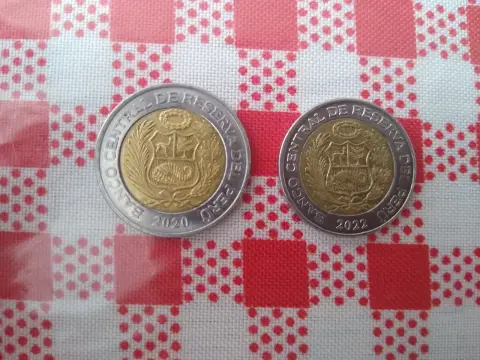
Pay in soles and carry small notes and coins, because stallholders often cannot change large notes early in the day, and card payment is not something to count on at most stalls. Withdraw cash in advance from a bank cash machine, as described in money and ATMs. Ask for a total price before you hand over money, and count the change.
Food, bread and empanadas
Pisac is known for the empanadas baked in a traditional clay oven, a stop that many visitors build their market visit around. They are sold by the piece, usually filled with cheese or meat, and the same ovens turn out loaves of bread, which makes a cheap lunch or a snack for the ruins. The village bakery described on the Pisac page and the stalls around the market are the places to look for them.
Fruit, juices and simple set meals are also available near the market. The usual precautions apply, so choose busy places where food is cooked in front of you and served hot. For a bigger and more local food market, compare it with San Pedro market in Cusco, which is a market for everyday shopping rather than souvenirs.
Combining it with the ruins
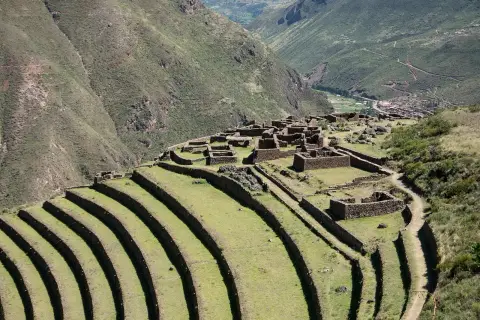
The market and the Inca citadel work well together, since both are in the same town. A standard plan is the ruins first, while the light is good and the paths are cool, then the market and lunch in the village. The other order also works when the market is the main goal, because on a busy Sunday the stalls fill by mid-morning and the crowds are worth beating.
The ruins need a couple of hours, and the climb is steep, so a taxi up and a walk back down is a common choice. The citadel details are on the Pisac page. A combination of Pisac with one further stop in the valley, such as Ollantaytambo, makes a complete day, and the Sacred Valley tours page shows what organised days include.
Getting there and how long to stay
Pisac is about an hour from Cusco by road, with shared vans, buses and taxis running through the day; the options are compared in Cusco to the Sacred Valley. The drive is short enough that the market can be the start of a day trip, with an early departure from Cusco to arrive before the main tour groups.
Plan for one to two hours at the market itself, longer if you want lunch and a slow pass through the side streets. On Sundays allow extra time for the crowds and for vehicles to move through the town. Pisac is lower than Cusco but you still feel the altitude on the slopes, so read altitude sickness if you have just arrived.
Where to sleep
-
Find hotels
Pisac
Market days, ruins and an easy half-day from Cusco
Frequently asked questions
Which day is the Pisac market busiest?
Sunday is the main market day, when farmers from nearby villages come in and the plaza is at its liveliest. Smaller market days are usually reported on Tuesday and Thursday, but confirm locally as days change.
Is the Pisac market open every day?
The craft stalls and shops generally operate on most days, not only on the big market days. Only the larger produce and community market depends on the weekly schedule, so a weekday visit still gives you the crafts.
How long do I need at the Pisac market?
One to two hours is enough for the stalls and a snack. Add the ruins above town and lunch, and the visit becomes a half to full day in Pisac.
Can I bargain at the Pisac market?
Yes at craft and souvenir stalls, politely and with a small discount in mind, especially when you buy more than one item. Do not bargain over food sold by weight or by the piece.
Is Pisac cheaper than Cusco for souvenirs?
Not always. Pisac has a wide choice and a good atmosphere, but prices for similar items can be the same as in Cusco. Compare a few stalls and see souvenirs for what to check.
Should I bring cash to the Pisac market?
Yes, in soles and in small notes and coins. Most stalls prefer cash and may not have change for large notes, and the cash machines in a small town can be busy, so bring enough from Cusco.
Is the Pisac market worth it on a Sacred Valley day trip?
It is worth it if you like crafts, food markets and local life, and it combines easily with the ruins. If you have time for only a few stops, see the Sacred Valley to weigh it against Moray and the salt pans.