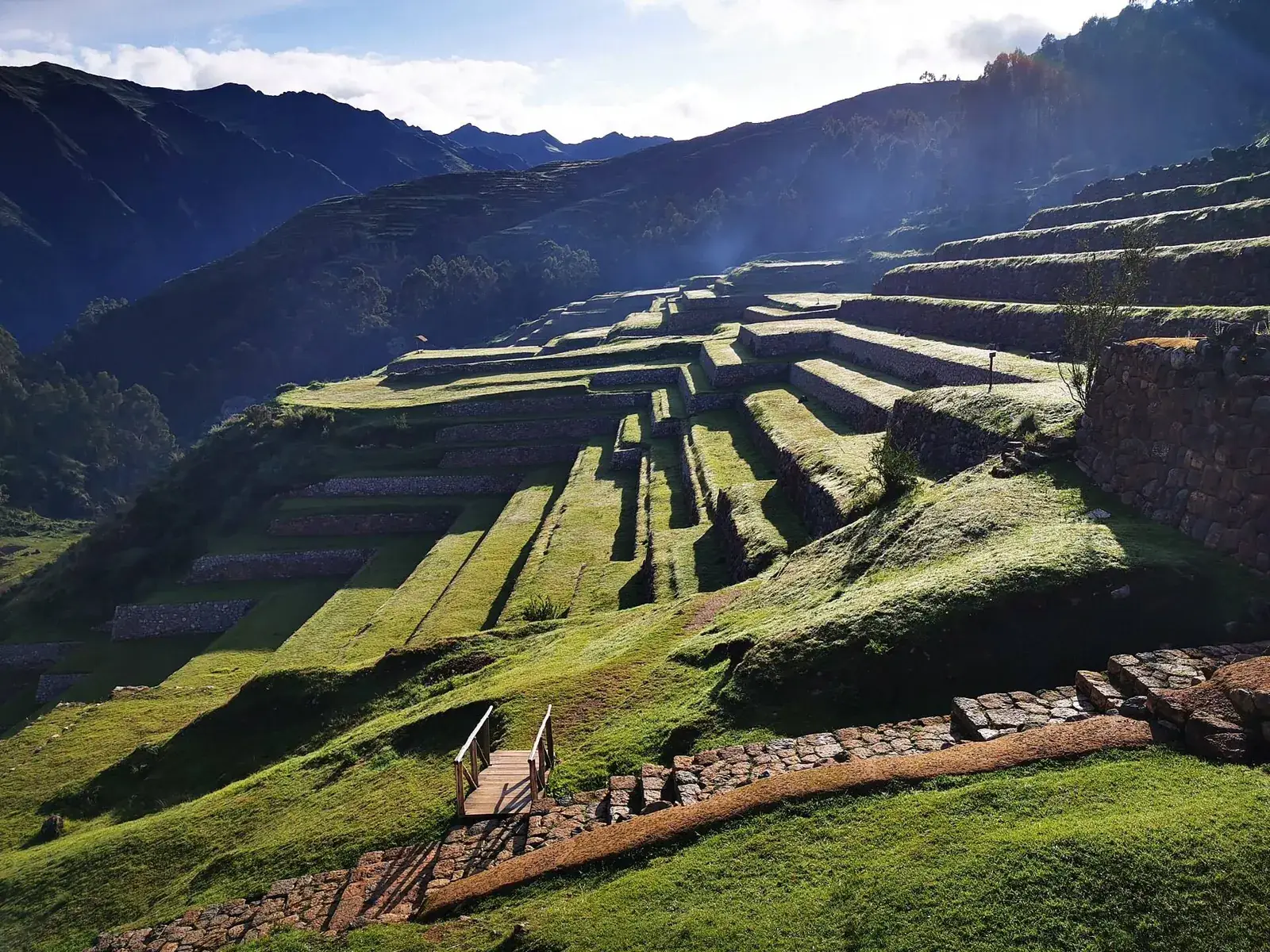
A standard Sacred Valley tour takes a full day and links a market or craft village, one or two Inca sites and a lunch stop, finishing in Cusco or Ollantaytambo. You can book it in a group, hire a private driver and guide, or build your own route with taxis. The key questions are the order of the stops, how long you actually spend at each, and whether entry fees are in the price.
Going in the reverse direction to the main groups can mean quieter sites.
The classic full-day tour
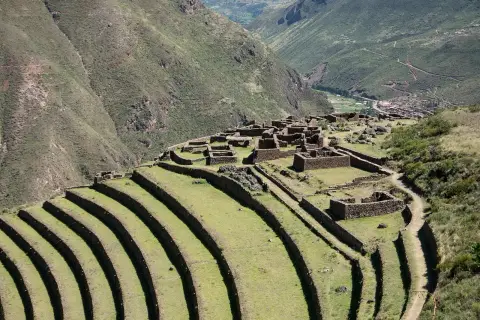
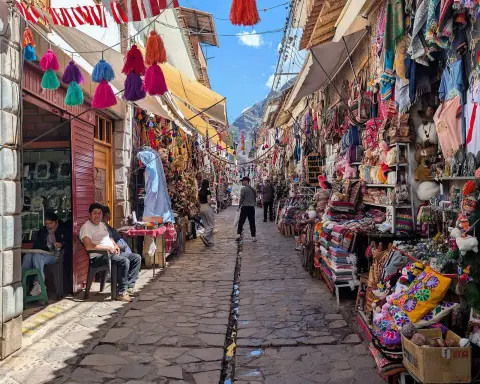
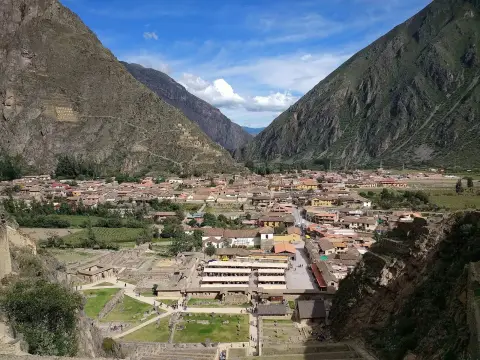
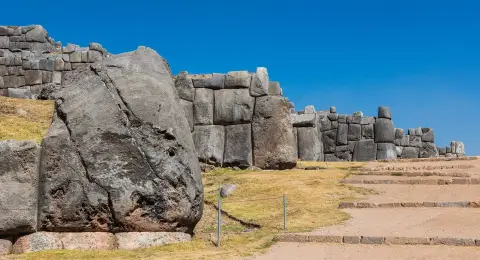
The standard group tour leaves Cusco in the morning and visits Pisac for its market and ruins, continues to a lunch stop in the Urubamba area and finishes at the fortress of Ollantaytambo before returning by road. It is efficient and inexpensive, but the pace is fast and time at each site can be short. See Pisac and Ollantaytambo for what each stop offers, so you can judge whether the time allowed is enough.
If your time is limited, it is a good introduction. If you want to linger, consider a two-day option with a night in the valley, which gives the sites an unhurried feel. See the Sacred Valley for how the towns fit together.
Many groups travel in the same direction, so the sites feel busiest in the late morning. A tour that reverses the order, or starts early, often meets the same places with fewer people.
Maras, Moray and Chinchero
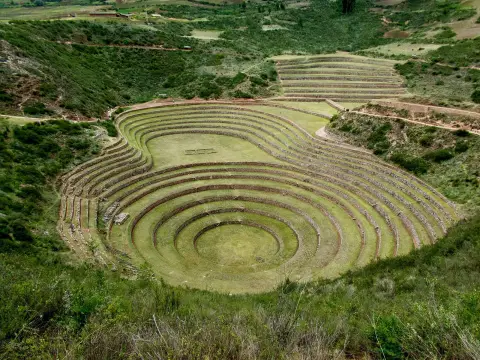
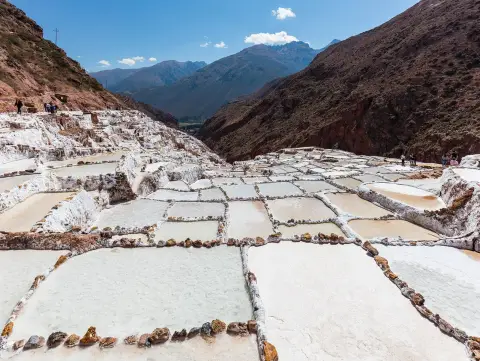
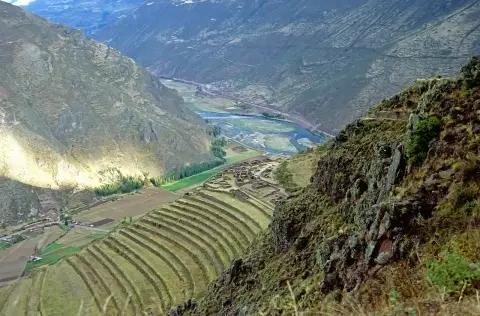
A second type of tour covers the western side of the valley: Chinchero, with its weaving cooperatives and terraced ruins, the circular agricultural terraces at Moray and the salt evaporation ponds at Maras. These are often combined with a visit to a weaving community or a short walk between sites.
This route is closer to Cusco and suits half a day, or a full day if you add Ollantaytambo. Moray and Maras are both reached along roads that can be rough, so ask how the transfer is done.
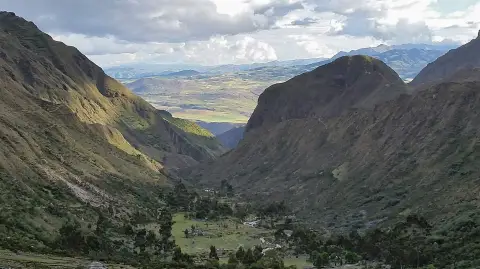
The high plateau is open and exposed, so bring a hat, sun protection and a windproof layer. Photographers like the low light of early morning or late afternoon, and it is worth asking whether the tour can be timed to match.
Tours and activities
Bookable online, chosen for their traveller reviews.
-
From €107 per person
Sacred Valley
Private Sacred Valley Day Trip with Local Guide
-
From €107 per person
Sacred Valley
Moray and Maras Day Tour from Ollantaytambo to Cusco
-
Day trip From €62 per person
Sacred Valley
Moray ATV Tour from Cusco with Salt Mines and Tasting
-
From €65 per person
Sacred Valley
Private Half-Day Maras and Moray Tour from Ollantaytambo
Private drivers and independent options
A private driver with an English-speaking guide costs more than a group tour but allows you to set your own order and pace. This works well for photographers, families and anyone who prefers to start early. You can also go independent: collectivos and buses link Cusco with Pisac and Urubamba, and taxis cover short hops between sites.
Independent travel needs more planning for the Moray and Maras area, where public transport is limited, and for the order of entry tickets, which are often combined. See getting from Cusco to the Sacred Valley for the transport side.
If you are comparing choices, guided tours or going independent can help you decide whether a guide earns its fee for your plans.
Active options
Beyond the standard sightseeing, valley operators offer guided cycling downhill from the high plateau, horse riding, rafting on the Urubamba river in the right season and walks to less-visited ruins. Each has its own safety considerations: check helmets, bike condition, guide experience and what insurance covers. Rafting conditions depend on the season and river level.
Active outings suit travellers who have spent a few days at altitude already. Ask for a clear description of the route, the level of difficulty and the minimum age. A reputable operator will refuse to take someone out in poor conditions, so be wary of any that promises the activity regardless of the weather.
Combining the valley with Machu Picchu
A common plan is to take a valley tour that ends in Ollantaytambo, spend the night there and catch the early train to Machu Picchu. This saves the long return to Cusco and avoids a pre-dawn transfer. Operators that sell the valley and Machu Picchu as a package should state the train times and what is included. To pick the right town for the night, see accommodation in the Sacred Valley.
If you plan to hike afterwards, do not stack long days. A full valley day, a night in Ollantaytambo and a day at Machu Picchu is already a lot for most visitors.
What to ask before booking
Ask for the exact route and the time allowed at each site. Find out whether the tourist ticket, lunch and transfers to Machu Picchu trains are included, what the group size is and whether the guide is licensed. If a tour includes a shopping stop at a workshop, ask how long it is. Check the pick-up point, the return time and the cancellation terms in the wet season, when roads can be affected.
See choosing a trekking agency for a checklist that also works for valley operators. See tours from Cusco to compare the other types of trip you may be weighing at the same time.
Frequently asked questions
Can I do the Sacred Valley in one day?
Yes, a full-day tour covers the highlights, but it is rushed. Two days give more time at each site.
Is a private driver worth it?
If you are a group of three or four, sharing a private driver can compare well with individual group tickets, and it gives flexibility.
Are tickets included in the tour price?
Sometimes. Ask whether the tourist ticket is included, since this changes the price noticeably.
What is the best order for the valley sites?
Many people go Pisac, Urubamba, Ollantaytambo for convenience, but starting at Ollantaytambo or Moray can mean quieter visits. Ask the operator which order they use and why.
Is the valley tour suitable for children?
Yes, with breaks. Days are long and involve a lot of time in vehicles, so bring snacks and consider a private tour at a gentler pace.
Do I need to book valley tours in advance?
In high season it is sensible to book a few days ahead. Outside the busy months, you can often arrange a tour the day before in Cusco.
Is lunch included on the classic tour?
Often a buffet lunch is, but not always. Ask whether it is included and whether drinks are extra, and tell the operator in advance about dietary needs.