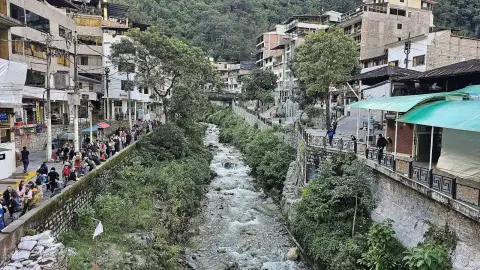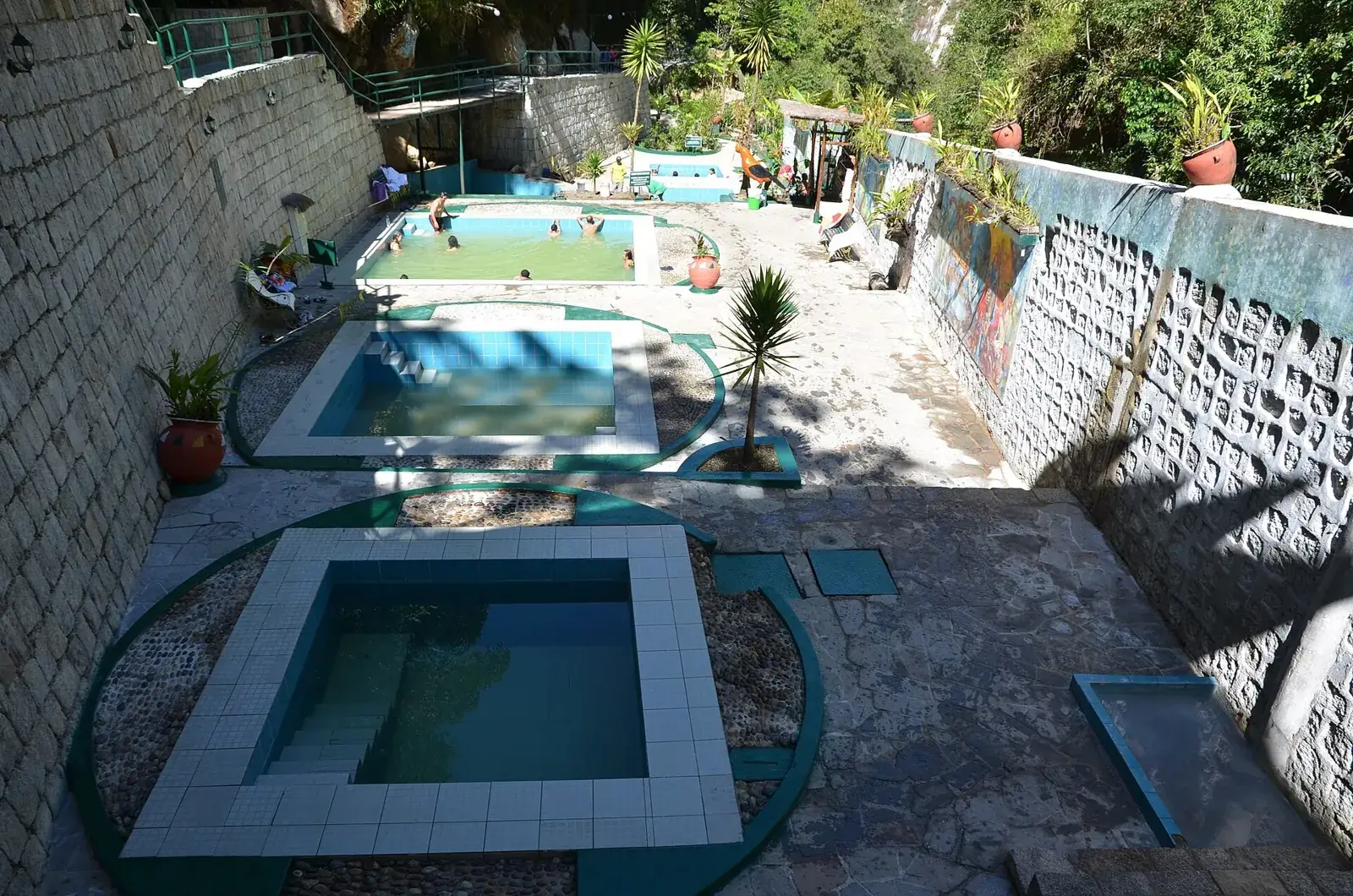
The Aguas Calientes hot springs are a set of public outdoor thermal pools at the upper end of the town, a short uphill walk from the main square. They are the reason the town is called Aguas Calientes, "hot waters". Most visitors go for an hour or two in the evening after Machu Picchu, or early in the morning. Check the current opening hours and entry price at the gate, bring a towel and swimwear, and expect crowds in the late afternoon.
Map
What the springs are
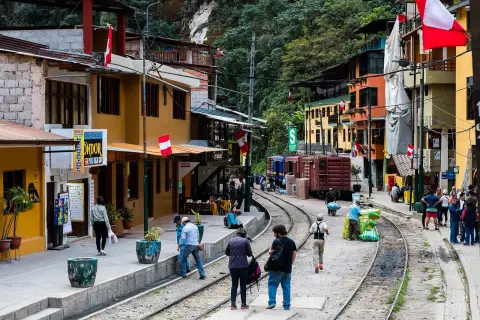
The Aguas Calientes hot springs are the town's original attraction. Long before the railway and the crowds, this was a place where hot mineral water came out of the hillside, and the settlement took its everyday Spanish name from it: Aguas Calientes, literally "hot waters". The official name, Machu Picchu Pueblo, is newer and appears on signs and bookings, but the baths explain why the older name stuck.
Today the springs are a municipal thermal complex of several outdoor pools set into the slope, with changing rooms and showers, and a small bar. It is a plain, functional place rather than a spa: the pleasure is sitting in warm water with cloud forest around you and tired legs after a day on the stone steps of the citadel. The springs are part of the town described on the Aguas Calientes page, and they are one of the few things to do there that has nothing to do with the ruins.
A short history
Aguas Calientes began as a small farming settlement, with the first farm families arriving around 1901, and grew as a camp for the workers who built the railway in the late 1920s. Tourism came after the line opened in 1931. The hot springs were known locally well before the world looked at Machu Picchu, and they were among the first reasons for travellers to stop in the gorge.
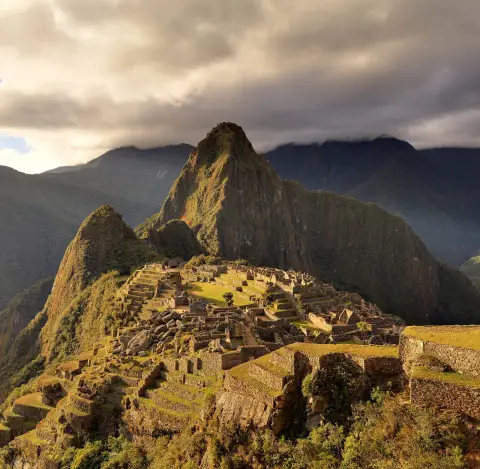
The town is the gateway to the citadel, which was made known to the wider world in 1911, but the baths belong to an older, quieter layer of the place. A paved avenue named after the Inca ruler Pachacútec links the main square with the baths, which tells you how much the springs have shaped the layout of the town. Details of the building and its operation have changed over the years, and the site is run by the local authority, so recent facts are best confirmed on the spot.
Tours and activities
Bookable online, chosen for their traveller reviews.
-
★ Top rated From €49 per person
Aguas Calientes
Machu Picchu Entry Ticket for Circuit 1, 2 or 3
-
From €179 per person
Aguas Calientes
Private Machu Picchu Tour with Guide, Entry and Bus
-
From €139 per person
Aguas Calientes
Machu Picchu Guided Tour from Aguas Calientes with Bus
-
From €126 per person
Aguas Calientes
Machu Picchu Small-Group Tour with Entry Ticket
The pools and the water
The complex has several pools of different temperatures, usually described as running from mild to very hot, roughly between the high thirties and mid forties degrees Celsius. The pool nearest the point where the water emerges is the hottest, and the lower ones are cooler and better for children or for anyone who does not like heat. Sources disagree on the exact number of pools and on the temperatures, so treat any figure as approximate.
The water is cloudy and carries a mineral smell, and local descriptions mention sulphur and a range of dissolved minerals. It is not a clear, blue pool. Showering before entering is normally required, and the water is shared with many other people, so busy evenings feel more like a public bath than a private retreat. If you have heart trouble, are pregnant, or take medication that affects blood pressure, ask a doctor before sitting in very hot water, particularly after a day at altitude and sun.
Where it is and how to get there
The baths are at the upper end of the town, on the street named after Hermanos Ayar, reached by walking up the Pachacútec avenue from the main square. On foot it is roughly a quarter of an hour at a gentle uphill pace, and there is no need for a taxi or any transport: the town has no roads to the outside world and little traffic. Take a torch or phone light if you plan to walk back late at night.
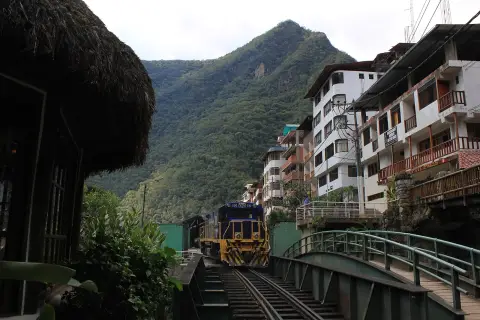
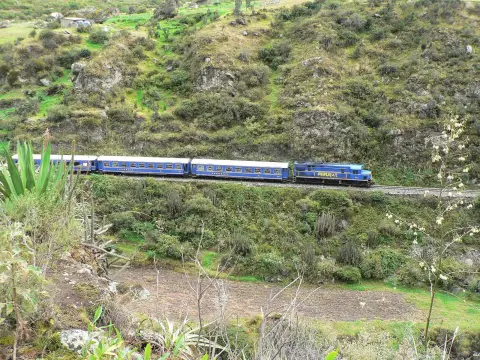
From elsewhere you reach Aguas Calientes by rail or on foot along the track, as explained in how to get to Machu Picchu and trains to Machu Picchu. The baths are outside the Machu Picchu entry system, so you do not need a ticket to the ruins, and you can visit them on the day you arrive, the evening after the ruins, or the morning before a late departure.
When to go
Three times of day suit different people. Early morning, when the baths open, is the quietest and the water feels fresher, but it competes with the early buses to the ruins, so it works mainly on a rest day or before a late train. Late afternoon is the busiest, because day visitors and groups arrive after the ruins and before their trains. Evening is the most pleasant for many people, with cooler air and fewer large groups, although the pools can still be full.
The season matters less than at the ruins. In the dry season, from roughly May to September, nights are cooler and a hot pool is particularly welcome. In the wet months, from roughly November to March, a soak in the rain is part of the appeal, but heavy storms can close open-air facilities. For more on how the weather behaves in the gorge, see Machu Picchu weather.
Entry, hours and what to bring
Entry is paid at a ticket office at the gate, with different rates for foreign visitors, Peruvians and local residents, and a limit on the time you can stay on a busy day. Prices and opening hours are set locally, and they have varied between sources and years, so confirm them on arrival and do not plan the evening around a fixed closing time. Carry some cash in soles, as described in money and ATMs.
Bring swimwear (street clothes and T-shirts are normally not allowed in the water), a towel, a pair of sandals for the wet floors, and a plastic bag for damp clothes. Lockers or a clothes store are provided, but keep your passport, phone and cash in your hotel rather than at the baths. A hot drink at the bar afterwards is part of the routine for most visitors.
Who it suits and what to combine it with
The springs suit anyone with sore legs after the Inca Trail, the Inca Jungle trek or a long day at the ruins, travellers who want an easy and cheap activity on the night before or after Machu Picchu, and families with children if they use the milder pools. They are less suitable for people who dislike crowds, who want a clean luxury spa, or who have only a few hours before a train.
The usual plan is a morning at the ruins, lunch, and a soak before dinner. If you are weighing a second night in town, how many days to spend at Machu Picchu and where to stay cover the choice. Do not leave the baths until the last minute before a train, as the pools are slow to leave and the walk to the station takes time.
Where to sleep
-
Find hotels
Aguas Calientes
Sleep at the foot of Machu Picchu for an early entry
Frequently asked questions
Are the Aguas Calientes hot springs natural?
Yes. The water comes out of the hillside already hot and is piped into the pools, which are built and run by the local authority. The temperature is not heated by a boiler, but it varies from pool to pool.
Do I need a Machu Picchu ticket to enter the hot springs?
No. The baths are separate from the citadel and have their own entry fee at the gate. You can visit on the day you arrive or leave, even if you do not go to the ruins at all.
How long should I stay in the hot springs?
An hour is enough for most people, and two is a long soak. Busy times may have a time limit, and staying in very hot water for long periods is not advisable, especially at altitude.
Is it a good idea to go before or after Machu Picchu?
After is the usual choice, because the warm water eases your legs once the walking is done. Going before a very early bus the next morning is possible, but a long soak can make an early alarm harder.
Is the water clean?
It is shared by many visitors and looks cloudy because of its minerals, so do not expect clear water. Showering before entering is required, and early morning is described as the cleanest time.
Are the Aguas Calientes springs the only hot springs near Machu Picchu?
No. Other thermal baths exist in the Santa Teresa area, on the longer routes towards the town, such as the Inca Jungle route described on the Inca Jungle page. The town's baths are the only ones within easy walking distance of the hotels.
Can children use the hot springs?
Children can use the cooler pools under supervision. Very hot water is not suitable for small children, and the pools can be crowded and slippery, so keep a close watch. See Machu Picchu with kids for wider family advice.