La Calera is a thermal bath complex a short ride from Chivay, the main town of the Colca Valley, at about 3,600 m. It has several pools of warm, mineral-rich water and takes one to two hours, so most visitors fit it in on the afternoon of arrival or early on the way out. Go with realistic expectations of a simple, busy public bath rather than a spa, keep the soak short because of the altitude, and check opening hours and the entrance fee locally.
Map
What La Calera is
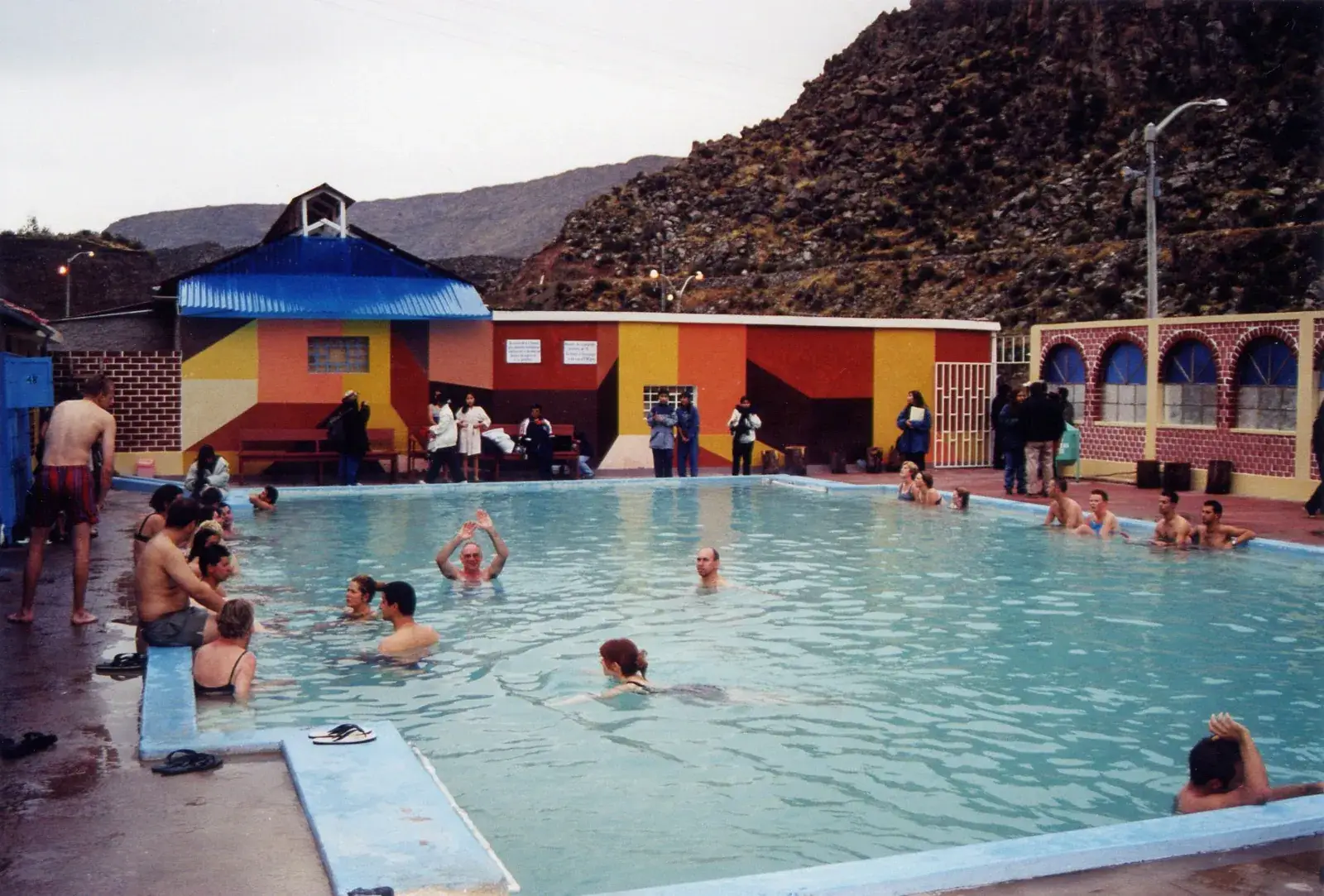
La Calera (also written Baños Termales de La Calera or Complejo Termal La Calera) is the best-known of the thermal baths around Chivay. It lies a few kilometres from the town, on the slope above the Colca river, and is run as a public bathing complex with a handful of stone-lined pools of different sizes. Some sources describe five pools, some of them outdoors and some covered, but the layout and the number in use change, so treat the count as approximate.
The water is naturally hot and mineral-rich. It is generally said to rise from the volcanic zone around Cotallumi and to be cooled before it reaches the pools, so that bathers find it pleasantly warm rather than scalding. Reported temperatures are in the mid-30s to about 40 °C, depending on the pool and on how the water is managed on the day. The minerals give it a slightly cloudy look and a faint smell, and local sources credit it with easing tired muscles. Treat health claims as tradition, not medicine.
The place is part of the standard Colca Canyon circuit rather than a destination in itself. It is a way to rest after a long road, not a reason to travel to the valley.
Why the valley has hot water
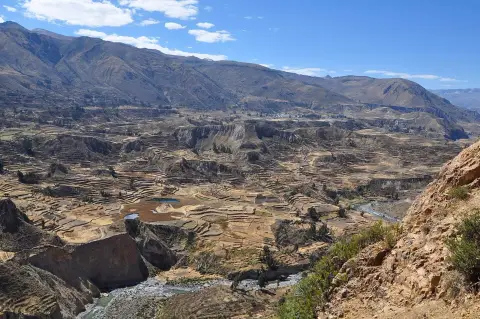
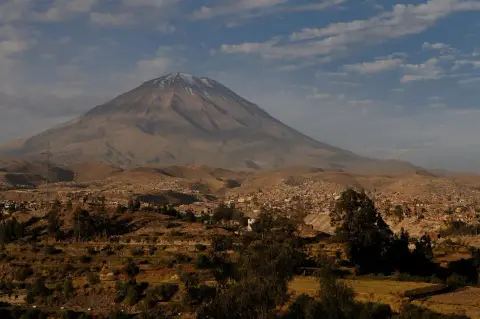
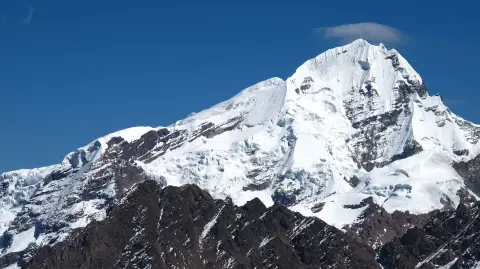
The Colca Valley sits in the volcanic Andes of southern Peru, where the Hualca Hualca and Ampato massifs rise above the canyon and several younger volcanoes lie further along the range. Water that percolates down through these rocks is heated at depth and comes back to the surface in springs, which is why thermal baths turn up at intervals along the valley. La Calera is the one nearest to Chivay, and therefore the easiest to reach from the town's lodgings.
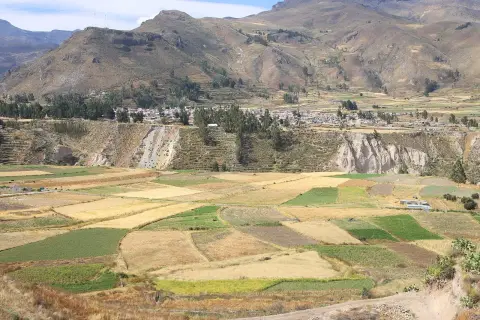
The springs were used long before there were tourists. People in the valley have bathed in them for generations, and the area around Chivay belongs to a landscape of terraces and villages that goes back well before the Spanish. The modern complex, with changing rooms and concrete-edged pools, is a recent addition to older practice.
For the wider setting, including the villages strung along the valley road, see Colca Canyon villages.
What to expect on site
Expect a simple public bath. There are changing rooms and basic facilities, though what is available varies. The pools are open to the sky in the main part of the complex, with the hillside and sometimes a view over the valley as the backdrop. The water level and temperature differ from pool to pool, so test a pool with your hand or foot before getting in.
Quality varies with the crowds. In the late afternoon, when tour groups arrive from Arequipa, the pools can be full and noisy. Early morning and the hours after most groups have left are calmer, and the light is better for looking at the mountains. The place is not designed for privacy, and families and local people use it too.
Bring a swimsuit, a towel and sandals, and a plastic bag for wet clothes. Leave valuables at your lodging.
Getting there from Chivay
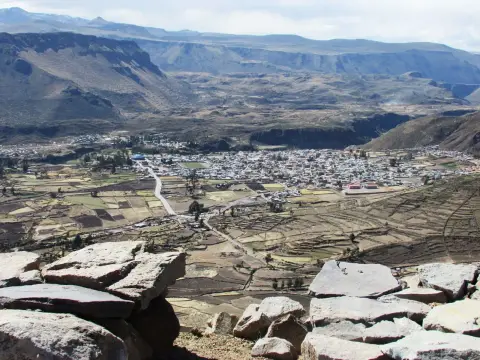
La Calera is a few kilometres from the centre of Chivay, on a road that leaves the town and climbs gently. Most people go by taxi or tuk-tuk, which is the simplest way and takes only a few minutes. Agree the fare and ask the driver to come back for you at an agreed hour, because there may be few vehicles at the site when you want to leave. Walking is possible for those who feel well, but at about 3,600 m a steady uphill stretch is tiring, and it is best done in daylight.
If you travel on a package, the hot springs are usually a scheduled stop on the first afternoon, and the minibus takes you there. That is easy but fixed in time: you may have less than an hour. An independent traveller can choose the hour, which is worth it for the quieter early or late slots. The trade-offs are discussed in Colca Canyon tour or independent.
The wider route from the city, with times and operators to compare, is covered in Arequipa to Colca.
Altitude and safety in the water
Hot water and altitude are a combination that deserves care. Chivay is above 3,500 m, and a hot soak makes the heart work harder, widens blood vessels and dehydrates. A person who has just come up from Arequipa at about 2,300 m may feel dizzy or faint when standing up from a pool, particularly on the first day.
Practical precautions are simple. Do not drink alcohol before or during the soak. Keep each stay short, and get out if you feel a headache, nausea or a pounding heart. Drink water before and afterwards. Climb out slowly, and sit down for a while before dressing. Pregnant visitors and people with heart, blood pressure or circulatory problems should ask a doctor before going.
If you already have symptoms of mountain sickness, skip the springs until they pass. Altitude sickness explains the signs and what to do.
Best time and how long to stay
The springs are open to visitors through the year, but the experience changes with the season. In the dry season, from about May to October, days are bright and nights are cold, so a soak at the end of the afternoon is a pleasant contrast, and walking back in the dark needs a warm layer. In the rainy months, from roughly December to March, showers are common and the sky is often grey, though the pools are warm in any weather.
Time of day matters more than month. A soak at first light or after sunset is colder to leave but quieter. At midday, the sun at altitude is strong and the water can feel too hot. Most visitors need one to two hours including changing and transport, which is enough to relax without getting tired.
On a two-day trip, the usual rhythm is to arrive in Chivay, rest, soak in the late afternoon, and leave early the next morning for the Cruz del Condor. Check the opening hours locally, because they may change.
Combining it with the rest of your trip
La Calera works best as a rest stop in a larger plan, not a full outing. After a long drive, a night at altitude and a day of viewpoints, a warm pool is a welcome change, and it suits families, older travellers and anyone who does not want to walk. It is also useful after a hike: those who descend into the canyon and climb out, as described in the Colca trek guide, often find the pools a good reward for tired legs.
If you have a free hour in Chivay, the market and the main square are a short walk away and show everyday town life. The standard Colca Canyon tours usually include the springs, but not always, so confirm it when booking. Those who prefer to avoid crowds can ask whether there are other thermal baths further along the valley, which some lodgings and operators know about.
For money, bring cash in small notes in soles, since cards are unlikely to be accepted on site; see money in Peru. A packing checklist is in the packing list.
Where to sleep
-
Find hotels
Chivay
Main town of the Colca Valley, hot springs nearby
-
Find hotels
Cabanaconde
Village at the canyon rim, near the trails down
Frequently asked questions
How far are the La Calera hot springs from Chivay?
A few kilometres, which is a short taxi or tuk-tuk ride. Sources differ on the exact distance, so ask your lodging. Walking is possible but uphill at altitude.
How much does it cost to enter La Calera?
There is an entrance fee, but it changes, so no figure is given here. Ask your hotel or tour operator, and carry small notes in soles. Tour prices may or may not include the entrance.
How hot is the water at La Calera?
Reports put the pools between the mid-30s and about 40 °C, warm rather than scalding. Temperature varies by pool and day, so test the water before getting in.
Can I visit La Calera if I have altitude sickness?
It is better to wait. Hot water raises the heart rate and can make dizziness worse. If you feel well, keep the soak short and drink water. See altitude sickness.
Is La Calera included in Colca Canyon tours?
Most standard two-day tours stop at the hot springs, usually on the first afternoon, but check your itinerary. Some tours skip it or leave little time. Compare options on the Colca tours page.
What should I bring to the hot springs?
A swimsuit, towel, sandals, a plastic bag for wet clothes and a warm layer for afterwards. Bring cash for the entrance and any snacks. Leave valuables at your lodging.
Are there other hot springs in the Colca Valley?
Yes, thermal baths are found at other points along the valley, some near villages further from Chivay. La Calera is the closest to Chivay and the most visited. Ask locally about the current state of the others.