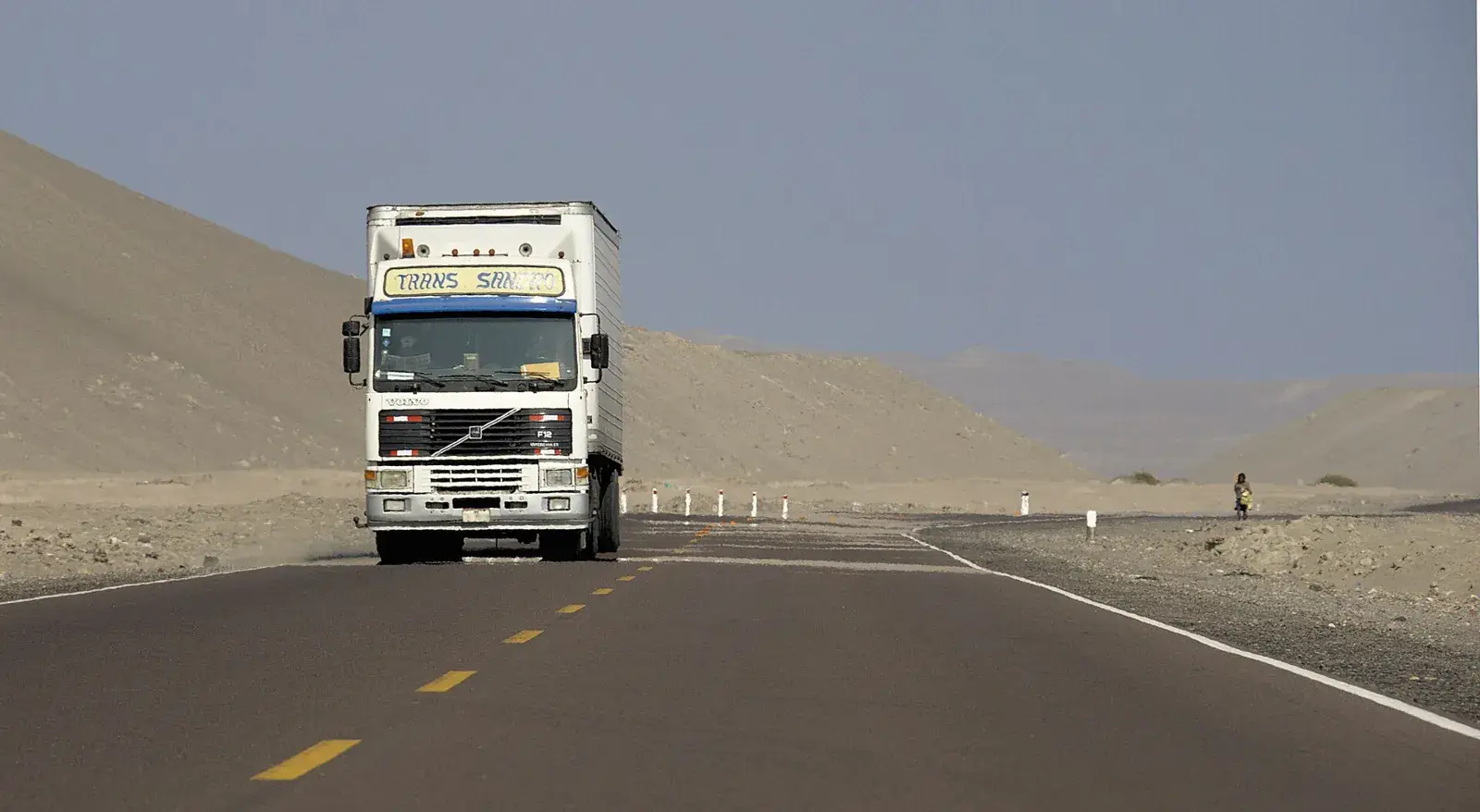
Hiring a car in Peru suits confident drivers who want freedom on the coast or in a few valleys. In the high Andes, in cities and on long mountain routes it is usually harder and riskier than a bus, a transfer or a driver. Many visitors never drive, and most should think twice before doing so, especially after dark.
When a rental car makes sense
The Pan-American Highway south of Lima to Paracas and Ica is a good road, and a car lets you stop at beaches and viewpoints at your own pace. A car can also work for a loop in the Sacred Valley, where distances are short and the road is paved, although parking and the busy road between Cusco and Pisac can be a nuisance. Away from those cases, the cost and effort of a rental are hard to justify. Hiring a car with a driver for a day is a common alternative and removes the stress of navigating.
To compare a rental with the bus on the south coast, see Lima to Paracas. See Cusco to Sacred Valley to understand why a driver is often the better choice in the valley.
Driving conditions
Traffic drives on the right. Driving in Lima and other large cities is aggressive and chaotic: lanes are loosely respected, horns are constant, and motorbikes and mototaxis weave through. On mountain roads you share narrow, winding routes with trucks and buses on steep drops, often without guard rails. Fog, rain and landslides add risk in the rainy season. Fuel stations can be far apart in remote areas. At altitude, petrol engines lose power, and you may feel the effects of the altitude yourself while driving.
Road signs are often limited, speed bumps appear without warning on rural roads and unmarked hazards are common after rain. A navigation app with offline maps helps, but do not trust it blindly on unpaved shortcuts.
Compare car rentals for your dates
Prices, pick-up points and insurance from the main companies, in one search on Booking.com.
Practicalities
Rental companies usually ask for a valid licence from your home country, and an international driving permit is often recommended in addition. Ask in advance what insurance is included and what the excess is, because the basic cover can leave you responsible for a large sum. A credit card is normally required for the deposit. One-way rentals between cities can be restricted or expensive. Stay alert at police checks and tolls, and keep your papers and the vehicle documents in the car. Parking is easiest in hotels with private garages.
Before you drive away, photograph the car from every side and note existing damage on the rental form. Check the spare tyre and tools, and ask what to do in a breakdown. A phone number for roadside help is worth having before you reach a remote stretch.
The case for a driver instead
A private driver for a day or several days costs more than a bus but often less than a rental plus fuel, insurance and the stress of navigation, and the driver knows the roads, the checkpoints and the places to stop. For a Sacred Valley circuit or a day to the south coast, hiring a car with a driver gives the flexibility of a rental without the risk.
Arrange this through your hotel or a licensed agency, ask what is included in the price, and agree the route, stops and finishing time in advance. See taxis and ride-hailing to understand how to negotiate and what to ask. For longer trips, compare the long-distance bus and the domestic flight before committing to a rental.
Fuel, tolls and police checks
Main roads have fuel stations in towns, but on remote routes they can be far apart, so fill up when you can and do not let the tank fall below a quarter. Tolls are common on the main highways and are paid in cash, so keep small notes handy. Police stop vehicles at checkpoints; stay calm, carry your documents, and ask for the reason politely if a request seems unclear.
If an officer asks for an informal payment, do not pay on the spot; ask for the written ticket and the procedure, and report the matter to the rental company. Most stops are routine, but knowing what to carry avoids misunderstandings.
Strikes, blockades and breakdowns
A car is more exposed to road blockades than a plane. If a protest blocks the road, there may be no way round for hours or days, and you are left with the vehicle, the luggage and possibly nowhere to sleep. Ask your hotel about the route before leaving, and keep a day of slack. See strikes and road blockades to understand how they develop.
Accidents involving a rental car can lead to long processes with the police and the insurer, even when you are not at fault. Know what your cover includes, and consider extra travel insurance that covers medical costs and trip disruption. For a general view of risks, see safety.
Frequently asked questions
Do I need an international driving permit in Peru?
Rental companies commonly accept a foreign licence, and many recommend the permit as well. Ask your rental company about the rules for your nationality.
Is driving in Cusco a good idea?
Generally no. The streets are narrow and steep, and parking is limited. Use taxis and organised transport instead.
Can I rent a car in one city and leave it in another?
Sometimes, but one-way rentals are often limited or costly. Ask the rental company before booking.
Is it safe to drive in Peru?
It depends on where and when. Coastal highways in daylight are manageable, while city traffic, mountain roads and night driving carry much more risk. If you are not used to aggressive driving, a driver or a bus is a wiser choice.
Can I drive from Lima to Cusco?
It is possible, but it is a long, demanding drive across the mountains and is not the best use of a short trip. A flight is faster; see Lima to Cusco for the comparison.
What should I check on the rental car?
Photograph existing damage, test lights and brakes, check the spare tyre and tools, and confirm what the insurance covers. Ask for emergency contact numbers before you leave the office.
Are there self-drive options for the Sacred Valley?
Yes, but many visitors find a taxi or driver easier because of parking and busy roads. Collectivos are the cheap alternative; see collectivos and combis.