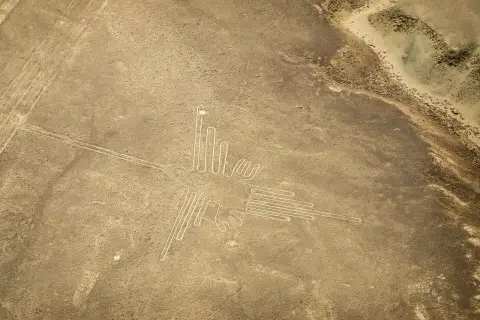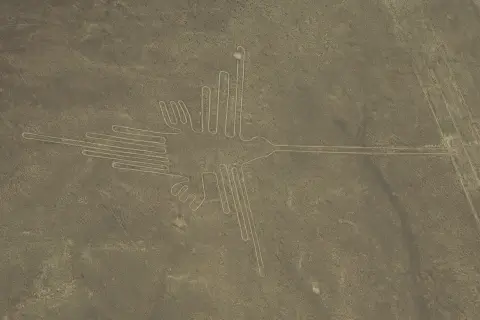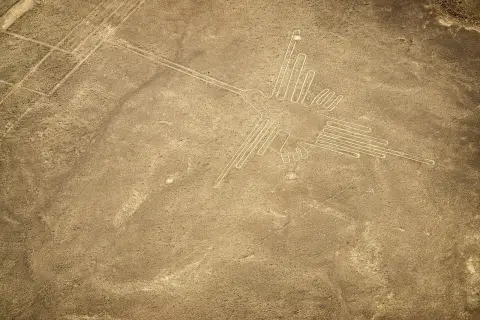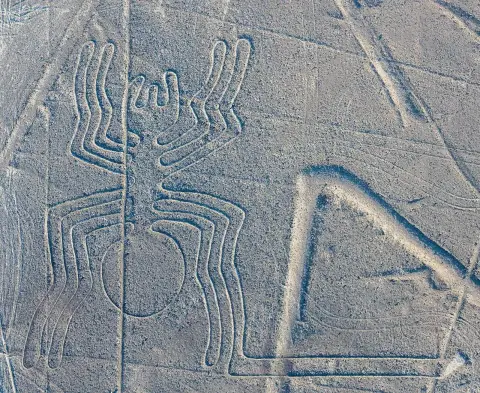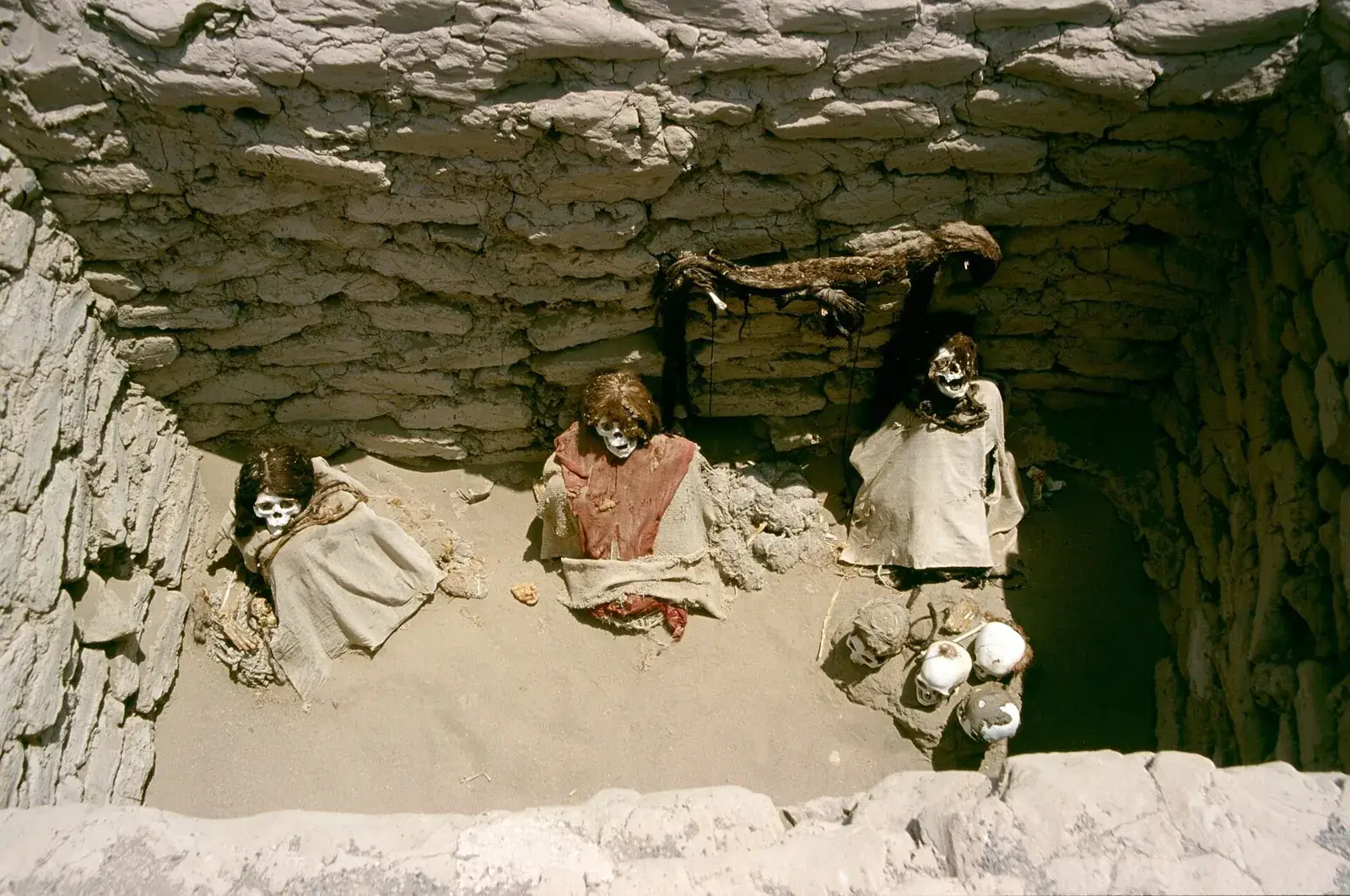
Chauchilla is a pre-Inca cemetery in the desert about 30 km south of Nazca, where mummified bodies of the Nazca culture sit in open, mud-brick tombs beside broken pottery and scattered bones. A visit takes roughly two hours including the drive, usually by taxi or a small tour from town. It is stark, quiet and unlike the lines, so it pairs well with a flight over the geoglyphs. Bring sun protection and water, and keep to the paths.
Map
What Chauchilla is
Chauchilla Cemetery is an archaeological site in the dry coastal desert south of Nazca. It is a burial ground of the Nazca culture, the same people usually credited with the famous geoglyphs. Burials here began around 200 AD and continued until about the 9th century, so the cemetery covers six or seven centuries of use. The site was reported in the 1920s.
What makes it unusual for a visitor is that it is open. The graves are shallow pits lined with mud brick, left uncovered, and the dead are still inside them, seated and wrapped in cloth, with hair and parts of the skin still present. Pottery sherds and bones lie around the pits. It is a sobering place rather than a polished one, and it is helpful to remember that these are human remains, not exhibits.
The cemetery is a separate experience from the Nazca Lines. Where the lines are about scale and the view from above, Chauchilla is about people, and it adds a human dimension to the same culture.
Why the bodies survived
The mummies were not embalmed in the Egyptian manner, yet many are in remarkable condition after more than a thousand years. Two things explain it. First, the desert is extremely dry, and the tombs sit above ground water, so tissue dried rather than decayed. Second, the funeral practice seems to have helped: bodies were dressed in embroidered cotton, painted with a resin, and placed in purpose-built mud-brick chambers. The resin is thought to have kept insects away and slowed bacteria.
A nearby site called Estaquería may show how the drying was done. Archaeologists found rows of wooden posts there that were first read as astronomical markers, but are now more often interpreted as supports on which bodies were left to dry before burial. That idea is an interpretation, so treat it as the current best explanation rather than settled fact.
Seated, wrapped bodies with the knees drawn up are typical of burials along the Peruvian coast, and the textiles and ceramics placed beside them give archaeologists clues about status, trade and daily life in the Nazca valleys.
Tours and activities
Bookable online, chosen for their traveller reviews.
-
From €40 per person
-
From €40 per person
Looting and restoration
Chauchilla's history is not only about preservation. For decades the cemetery was heavily plundered by huaqueros, local grave robbers who dug for gold, textiles and fine pottery to sell. They left behind bones, skulls and broken ceramics scattered over the sand, which is why early visitors often describe a field of debris rather than an orderly site.
The site has been under legal protection since 1997, and in that period the scattered remains and recovered pottery were returned to the tombs and the graves were arranged for display. This means that what you see is partly the result of restoration: the position of some bodies and objects reflects a decision about how to show them, not only the original burial. Guides usually explain this, and it is a fair question to ask.
Similar cemeteries elsewhere in the Nazca region have been damaged far more and have no protection or visitor arrangements, which is a reason to visit only the authorised site and not to take or move anything.
What the visit is like
A visit follows a marked path around a set of open tombs, with a small shelter and some explanatory material near the entrance. Several tombs hold a single mummy; others contain groups. Some bodies still have long hair, and a few have traces of cloth. Photography is normally allowed, but follow the signs and staff instructions, and do not touch or lean on the walls of the tombs.
Allow roughly an hour on site, including time at the tombs and a pause to read the information. Together with the road from town the outing takes about two hours, and it often runs longer on a tour that adds stops. The landscape is open, bare and brown, and the Poroma riverbed runs beside it, so the setting adds to the atmosphere.
Some visitors find the place disturbing, especially the smaller tombs. It is not suited to anyone who would rather not see human remains. Children are allowed in principle, but you know best whether they would be comfortable.
Getting there from Nazca
The cemetery lies about 30 km south of Nazca, reached from the Pan-American Highway by a dirt road. The simplest way to go is a taxi arranged in town, ideally one that waits for you and brings you back; taxis and ride-hailing in Peru explains how to agree a price before you leave. Small half-day tours from Nazca often combine Chauchilla with other stops, such as the Cantalloc aqueducts, and the operator then handles the driving.
Public transport to the site is not practical, because the last stretch is a track with no regular service. Cycling or walking is not sensible in the heat. Confirm the departure time, the waiting time and what is included, and check whether an entrance ticket is separate from the transport.
If you are arriving by long-distance bus, Lima to Nazca describes the journey and the usual arrival hours, which matter when you plan a morning outing.
When to go and what to bring
Go in the morning. The desert has no shade, and by midday the sun and heat are intense, with little wind relief. Mornings are also better for photographs, as the low light picks out the textures of the cloth and the mud brick. The dry season is the most comfortable for travel in general, but the site is dry all year, and rain is rare on this coast.
Bring a hat, sunglasses, sunscreen, a light long-sleeved layer and plenty of water, since there is nowhere to buy much once you leave town. Wear closed shoes, because the ground is sandy and strewn with sherds. A scarf helps if wind lifts dust. Our packing list covers the basics for the south coast.
The site is open to visitors on a regular daily schedule, but opening hours and tickets change, so ask your taxi driver or hotel in Nazca on the day before you go.
Respectful behaviour
Because Chauchilla displays real human remains, behaviour matters. Stay on the paths and out of the tombs, do not touch the bodies or textiles, and never pick up pottery or bone, however small. Taking a fragment is theft from a protected site and adds to the damage that looters already did. Keep voices low and avoid posed photographs with the mummies.
Be careful too with tour offers that promise to take you to unmarked or unguarded cemeteries nearby. Those places are not protected, may be unsafe, and encourage further looting. The authorised site is the one to visit. For general guidance see responsible travel and etiquette in Peru.
The cemetery also appears, loosely, in a Hollywood film, and some guides mention it. The film version is invented in many respects, so do not expect to see anything resembling it.
Fitting it into your Nazca stay
Most travellers meet Chauchilla as part of a Nazca morning or a half day. A common plan is the flight over the lines first, then Chauchilla, then lunch in town. If the flight is cancelled for weather, which happens, Chauchilla is a worthwhile fallback because it does not depend on the air. See the main Nazca page for how the stop fits the wider route.
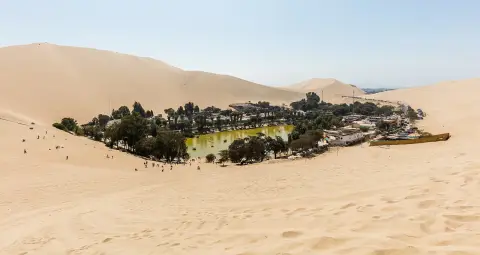
If you are deciding whether to stop in Nazca at all, is Nazca worth it sets out the arguments. Travellers coming up the coast from Huacachina will find the cemetery adds a second reason to stay a night, which is useful if you want to avoid a rushed flight-and-leave schedule.
For those who find the idea of visiting mummies uncomfortable, the lines and the museum in town are alternatives that cover the same culture.
Where to sleep
-
Find hotels
Nazca
Base for the lines and the flights over them
Frequently asked questions
How far is Chauchilla from Nazca?
About 30 km south of town, reached by the Pan-American Highway and then a dirt road. By taxi the drive is typically well under an hour each way, depending on the track and stops.
How long does a visit to Chauchilla take?
Plan on about two hours in total from Nazca and back, with roughly an hour at the tombs. A tour that adds other stops, such as the Cantalloc aqueducts, takes longer.
Are the mummies real?
Yes. The bodies are genuine remains of people of the Nazca culture, buried between about 200 AD and the 9th century. Some of the display has been rearranged after looting, so the positions are partly the result of restoration.
Can I go to Chauchilla without a tour?
Yes, with a taxi that waits for you, which is the simplest option. There is no regular public transport on the last stretch. Agree the price and waiting time first, as explained in taxis and ride-hailing.
Is there an entrance fee?
A ticket has been required, but the amount and the rules change. Ask your driver or tour operator whether it is included, and carry small notes in case it is not.
Is Chauchilla suitable for children?
There is no physical difficulty, but the site shows real human remains. Decide based on the child's age and temperament, and prepare them beforehand.
What is the best time to visit?
Early morning, when it is cooler and the light is softer. The site has almost no shade, so avoid the middle of the day, especially in the hotter months.
Is Chauchilla worth it if I am already flying over the Nazca Lines?
Many visitors say yes, because it shows people rather than patterns. If time is short, the lines come first, and you can read about them on the Nazca Lines page.