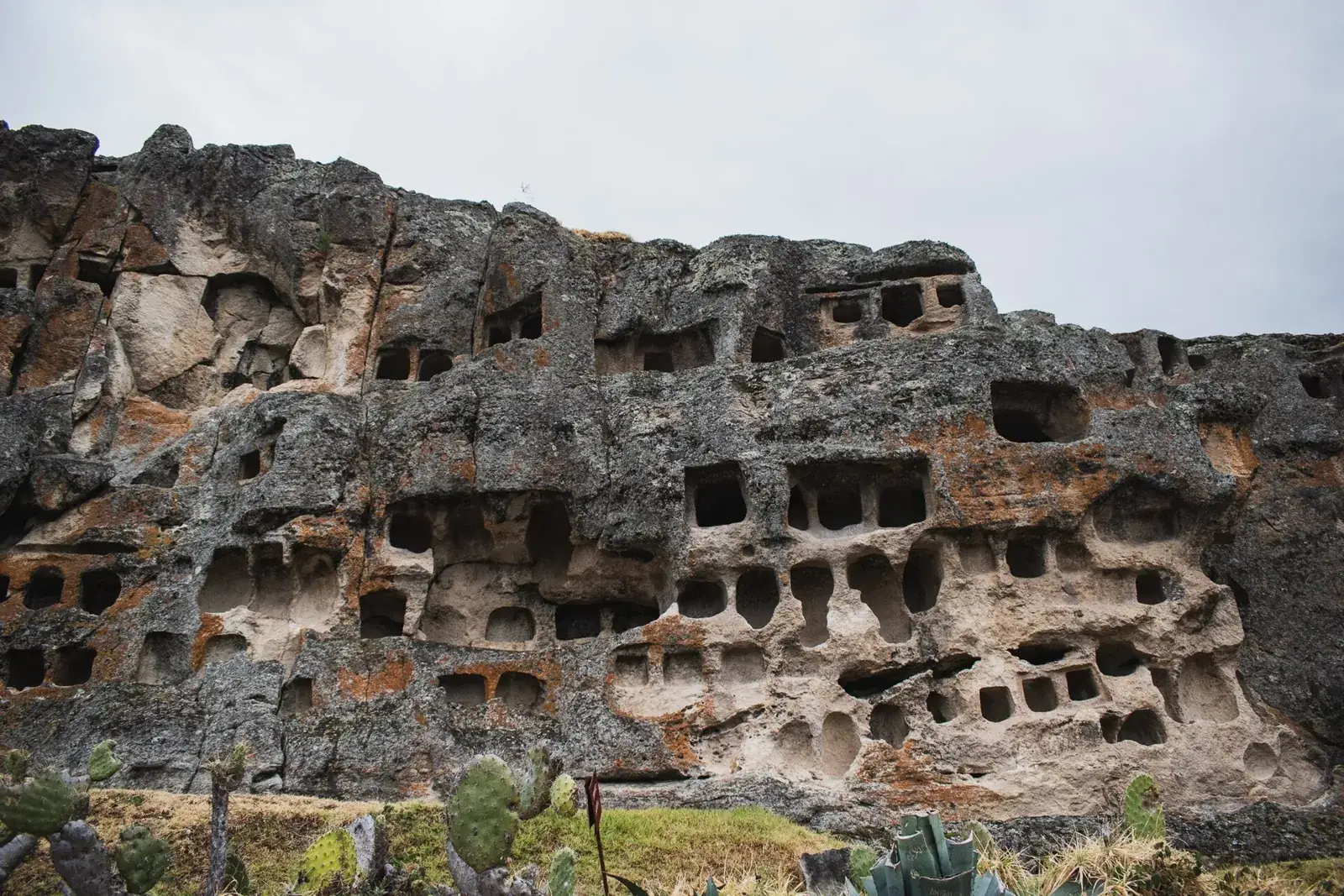
Ventanillas de Otuzco is a pre-Inca cemetery in the hills near Cajamarca, where hundreds of small square niches, the "little windows" of the name, are cut into a long wall of volcanic rock. It lies about 8 km from the city centre, a ride of roughly 20 to 30 minutes, and a visit takes about an hour. It is most often combined with the Baños del Inca and Cumbemayo on a half-day or full-day circuit. Confirm opening hours and the ticket price locally before you go.
Map
What Ventanillas de Otuzco is
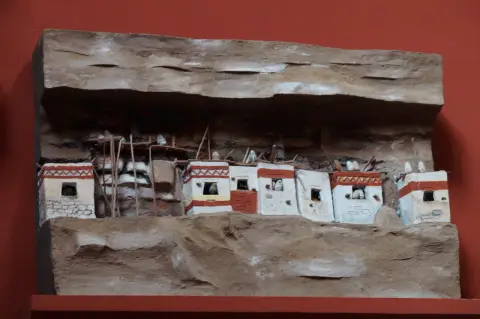
Ventanillas de Otuzco is an archaeological site in the district of Baños del Inca, close to the village of Otuzco, in the hills outside Cajamarca. The name means "little windows", and the description is accurate: the site is a long rock face pierced by rows of rectangular and square openings, each one a burial niche. Together they look like the windows of a very odd apartment block set into the hillside.
The niches are carved into a wall of volcanic rock on the slopes of a hill usually called Cerro Llanguil. Sources do not agree on how many there are, with figures of about 340 and of more than 370 both being quoted, which is a reminder that nobody has a definitive count. The setting is open and rural, and the site is much quieter than the better-known monuments of the south.
Who made it and when
The niches are attributed to the Cajamarca culture, a society that lived in this part of the northern highlands before the Inca arrived. This style of burial, with the dead placed in openings carved into rock faces, is found mainly in the basins of the Chonta and Yaucán rivers, the valleys around the modern city. Dating is the part that varies most between sources: published figures place the use of the site somewhere between the last centuries before the common era and the first half of the first millennium, and the site is described only as pre-Inca.
What is known about the burials comes mostly from observation rather than from long excavations. Bones and skulls were deposited in the niches, apparently so that the ancestors stayed close to the living and could be honoured. It is a different idea of a cemetery from the Spanish one in the town, and it connects the site to other northern burial places, such as the funerary towers at Leymebamba and the Laguna de los Cóndores, made by a different culture.
What you see on site
The visit is a short, easy walk along the foot of the rock wall. The niches are of different sizes, some the size of a small cupboard and some barely larger than a book, and they are arranged in rows and clusters over several levels. Many are open and empty, and any bones or grave goods they once held have long since been removed, so imagination fills in a good deal of the picture.
Look at the rock closely: the traces of carving are visible, and the surface is weathered. The walk gives good angles for photographs, especially when the sun lights the face of the cliff. Do not climb on the wall or put anything inside the niches, as the stone is fragile and the site is protected heritage.
Getting there from Cajamarca
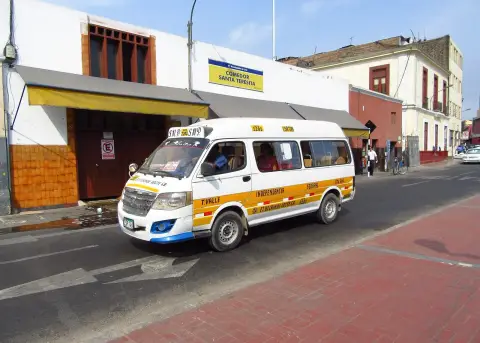
The site is about 8 km from the centre of Cajamarca, on the road that leads towards the thermal baths of Baños del Inca and the Otuzco district. A taxi from the city takes roughly 20 to 30 minutes, depending on traffic, and is the simplest way to go; ask the driver to wait or to return for you at an agreed time, since transport back is thin if you do not arrange it. The page on taxis and ride-hailing explains how to agree a fare, and collectivos and combis shows how local shared vehicles work if you prefer to go as the locals do.
Most travellers visit as part of an organised half-day or full-day circuit, and local agencies in Cajamarca sell tours that combine the site with the baths and with Cumbemayo. Routes, stops and prices change, so ask at the hotel or at an agency in the plaza rather than relying on a fixed schedule.
Altitude, weather and the best time
Cajamarca stands at about 2,700 m, and Otuzco is at a similar level. Published altitudes for the site itself differ between sources, between roughly 2,650 and 2,850 m, so treat any single figure with caution. Either way, the altitude is moderate and the walking is flat, so effort is low, but the day is cooler and the sun stronger than people expect. The page on altitude sickness has general advice for anyone coming up from the coast.
The dry season, roughly May to September, brings the clearest skies and the easiest roads; see the dry season for the broader picture. Mornings and late afternoons are cool and give the best light on the rock. In the wetter months the path can be muddy, so bring shoes with grip, a hat, sun protection and a light waterproof; the packing list covers the basics for the northern highlands.
Hours, tickets and how long to stay
Opening hours and the ticket price are the details most likely to change, and published sources give different hours, with the commonest being from about 09:00 to 17:00 on every day of the week. Check locally the day before, or ask your hotel to confirm by phone, and carry small notes in soles for the entrance, since a card should not be counted on.
Plan for about an hour at the site, which is enough for the walk, the photographs and a look at the viewpoints. A guide adds the history of the Cajamarca culture and explains what the niches meant, and without one the information in this article gives you the basics. Because the site is short, it works better as one stop in a longer outing than as a trip on its own.
What to combine it with
The natural partners are the other sights outside Cajamarca: the Baños del Inca thermal baths, which are on the same side of the city, and Cumbemayo, with its stone channel and rock formations, which is usually a separate half-day because it lies higher and further away. A common plan is Cumbemayo in the morning, then Otuzco and the baths in the afternoon, back in town for dinner.
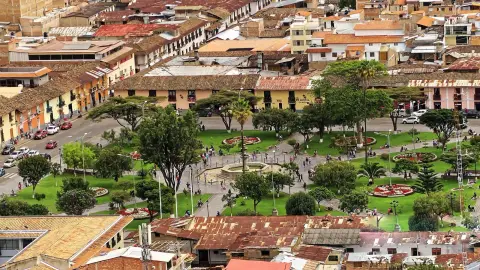
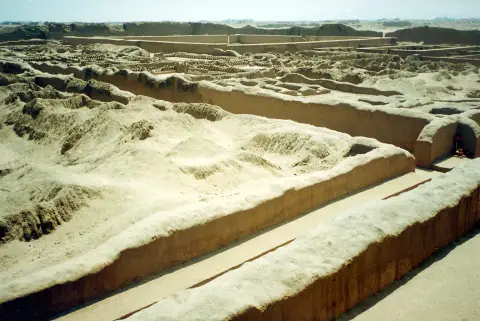
The town itself holds the Ransom Room and the plaza where Atahualpa was captured in 1532, which gives the pre-Inca niches a longer historical frame. For a wider route through the north, the northern Peru itinerary places Cajamarca between the coast and the cloud forest, and the burial architecture of the coast is a good contrast: the adobe city of Chan Chan is the work of a very different society.
Where to sleep
-
Find hotels
Cajamarca
Colonial highland town with thermal baths nearby
Frequently asked questions
What are the Ventanillas de Otuzco?
They are a pre-Inca cemetery of window-shaped niches cut into a volcanic rock wall near Cajamarca. The niches held the bones of the dead and are attributed to the Cajamarca culture.
How far is Ventanillas de Otuzco from Cajamarca?
About 8 km from the city centre, roughly 20 to 30 minutes by taxi or tour vehicle. See taxis and ride-hailing for how to agree a fare and a return time.
How long does a visit take?
About an hour is enough for the walk along the rock wall and photographs. Add time if you want a guide or a snack, and more again if you continue to the baths or Cumbemayo.
How many niches are there?
Sources disagree: figures of about 340 and of more than 370 are both quoted. There is no agreed count, so treat any number as approximate.
Is the site open every day and what does it cost?
Published hours suggest daily opening, commonly from about 09:00 to 17:00, but sources differ, and the entry fee is not something to rely on from a website. Confirm both locally and bring small notes.
Is Ventanillas de Otuzco worth seeing?
Yes, if you are in Cajamarca for more than a day and like archaeology that is quiet and uncrowded. It is short and modest compared with Cumbemayo, so it pays off most as part of a circuit. See the Cajamarca guide for what else to plan.
Do I need to worry about altitude?
At about 2,700 m, altitude is gentler than in Cusco and the walking is easy. Rest on your first afternoon in town and drink water; the altitude sickness page has general guidance.