Pick the place first, then the zone, then the type of lodging. In Lima most visitors do best in Miraflores or Barranco; in Cusco the historic centre suits short stays, while the Sacred Valley suits anyone who wants quiet and a gentler altitude. Families, older travellers and people with limited mobility should weigh stairs, altitude and distance to services above style.
Budget and luxury travellers are served well almost everywhere, but the best value changes with the season. Always check cancellation terms, heating or hot water, and whether luggage can be stored before you pay.
Start with the place, then the zone
Lodging choices in Peru depend more on location than on the building itself. In Lima, the districts of Miraflores and Barranco concentrate restaurants, parks and well-lit streets, and most visitors stay there rather than in the historic centre. The pros and cons are set out in Miraflores or Barranco and in the Lima stay guide.
In Cusco, the area around the main square and the San Blas neighbourhood put you within walking distance of most sights, but streets are steep and nights can be noisy. See where to stay in Cusco for the zones. The Sacred Valley is lower, quieter and greener, and works as a base for travellers who prefer space to nightlife; Sacred Valley or Cusco as a base compares them.
Decide the base before comparing prices. A cheap room far from where you spend the day often costs more in taxis and time.
Families with children
Families usually need space, a quiet street and simple logistics. A suite, an apartment or a lodge with a family room and a small kitchen often works better than two hotel rooms, and many places offer extra beds or cots on request: ask before booking rather than on arrival.
In Lima, quiet residential parts of Miraflores with parks nearby are practical. In Cusco, children can be more affected by altitude than adults expect, so a stay in the lower Sacred Valley for the first nights is a common choice. Check that stairs, balconies and courtyards are safe for small children, and whether breakfast starts early enough for a morning departure.
For the Amazon, ask lodges about minimum ages for activities and boat trips. More ideas are in Peru with children. Whatever you choose, confirm the cancellation terms in writing, as plans with children change at short notice.
Couples, honeymooners and luxury travellers
Couples tend to look for atmosphere: a restored colonial house in Cusco or Arequipa, a hacienda-style lodge in the Sacred Valley, or a room with a view over the Pacific in Lima. Privacy and a calm setting matter more than being next to the main square.
A hacienda lodge is a former country estate turned into a small hotel, usually with gardens and a slower pace. Boutique hotels are small, design-led places in historic buildings, often with few rooms and a restaurant. At the top end, some properties include transfers, guided visits or meals in the rate; read what is actually included before comparing.
Honeymoon trips are covered in Peru for couples, and the top end of the market in luxury travel in Peru. In any historic building, ask about heating, noise from the street and the number of steps to the room, because charm and comfort do not always go together.
Solo travellers and backpackers
Hostels are the easiest place to meet other travellers and share tours or taxis. Most offer both dormitories and private rooms, and many include a basic breakfast and luggage storage. Read recent reviews for noise, security lockers and hot water, which vary a lot from one hostel to another.
A hospedaje or guesthouse is a small, often family-run place, generally quieter and cheaper than a hotel, with fewer services. These are common outside the big cities. Solo travellers should choose well-reviewed lodging in a busy, lit area, and arrive in daylight when possible; see solo travel in Peru for general advice.
For tight budgets, budget travel in Peru explains where costs can be trimmed without hurting safety. Dormitories in Cusco can be cold at night, so check whether heating or extra blankets are provided. In popular periods, book the first night in each city in advance, and leave the rest flexible.
Reduced mobility and older travellers
Mobility is the area where Peruvian lodging varies most. Many historic buildings have courtyards, steep stairs and no lift, and Andean towns have uneven pavements and hills. Ask directly: is there a ground-floor room, a lift, a step-free shower, and how far is the nearest taxi stop?
For older travellers, altitude is as important as stairs. Cusco sits at about 3,400 m, while the Sacred Valley floor is roughly 2,800 to 2,900 m, so many people choose to sleep lower first and visit the city later. Read altitude sickness and talk to a doctor before the trip if you have heart or lung conditions.
Lima and Arequipa, with their flatter modern districts, are generally easier than Cusco. More details are in accessible travel in Peru. Because facilities are often not listed accurately online, confirm by email or message before paying and ask for the answer in writing.
Digital nomads and long stays
For stays of a few weeks or more, an apartment usually beats a hotel: a kitchen, a desk and a washing machine change daily life. Lima, especially Miraflores and Barranco, has the widest choice of apartments and co-working spaces, and Arequipa is a calmer alternative with a pleasant climate. Cusco is workable but altitude and cold nights make the first week slower.
Before committing, test the internet where you will sleep: ask for a recent speed test, check whether there is a backup connection, and read reviews that mention working remotely. Ask about monthly rates, deposits and who pays utilities. A short first booking, then an extension on the spot, lowers risk.
Practical points such as local SIM cards and payments are in tips for digital nomads. Confirm visa length at entry, as the permitted stay for tourists is set at the border and rules can change.
Lodging types in plain terms
A hotel has a front desk and standard services. A hospedaje or hostal is smaller and simpler, sometimes with shared bathrooms: always check whether the bathroom is private. A hostel has dormitories and common areas. A boutique hotel is a small, characterful property. A hacienda lodge is a countryside estate. An eco-lodge sits in nature, often in the Amazon, and usually runs on a package basis with meals and guided activities included. An apartment suits families and longer stays.
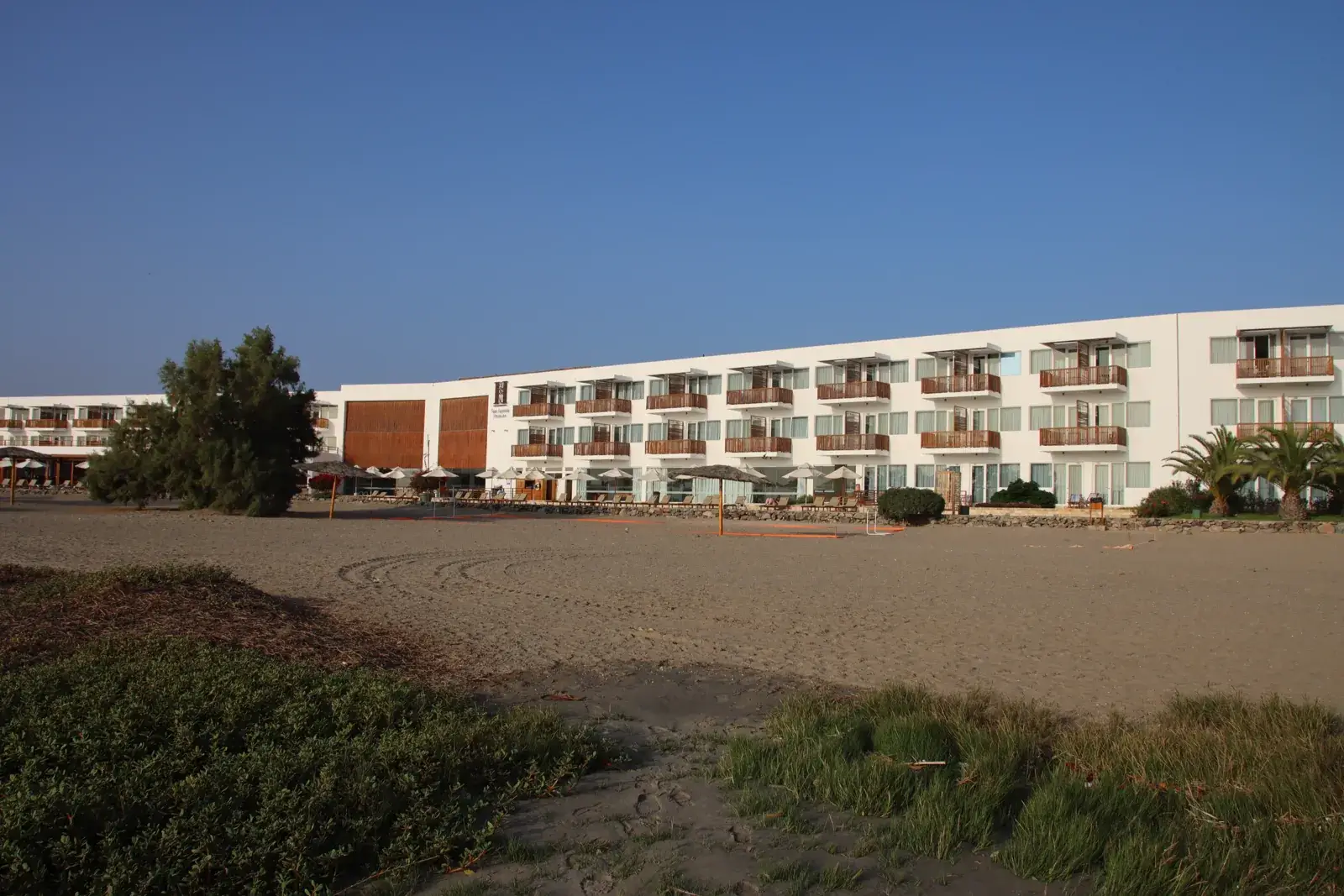
In the Amazon, the setting matters more than the room: access by boat, electricity hours, mosquito nets and the distance to the wildlife are what to compare. For beach and wildlife stops such as Paracas, a short stay near the waterfront or in the town is typical, with most visitors passing through on a day or overnight trip.
Ask what a rate includes: breakfast, taxes, transfers and activities are treated differently from place to place.
What to check before you book
A short checklist avoids most problems. Confirm the cancellation policy and whether the rate is refundable. Check if breakfast is included and what time it starts. Ask about luggage storage for the day of arrival and departure, which matters when buses or flights leave late. If you arrive at night, ask about airport or bus-station pickup and who meets you.
In the highlands, check heating and hot water: nights can be cold, and not every room has a heater. Ask about stairs and whether the room is at the front, where traffic and nightlife are louder. For altitude, some Cusco hotels offer extra oxygen in rooms or at the reception; this varies, so ask exactly what is offered.
Finally, check the season. In the dry months, roughly May to September, popular areas fill early, especially around holidays; see when to book for timing.
Where to sleep
-
Miraflores
Easy first base: restaurants, parks and the cliff-top walk
The usual first base: a long clifftop park, Parque Kennedy, and the widest choice of restaurants, cafés, shops and hotels at every price. It is easy to walk by day, well served by taxis and by the Metropolitano bus to the centre. A good fit for first visits and short stays.
Keep in mind: Rates are often higher than in other districts, and rooms facing the main avenues can be noisy.
Find hotels → -
Barranco
Art, nightlife and a seaside feel, quieter by day
A seaside district of colourful houses, galleries, bars and some of the city's best-known restaurants, built around the Bridge of Sighs. Calm in the daytime and lively at night. It suits couples and anyone who wants atmosphere over convenience.
Keep in mind: Nights can be loud near the bars. After dark, go back by taxi rather than on foot.
Find hotels → -
San Isidro
Calm business district with parks, close to Miraflores
An upmarket business and residential district with large parks, tree-lined streets and many business hotels. It is next to Miraflores, so the coast is a short taxi ride away. A calm choice for work trips and for travellers who want to sleep well.
Keep in mind: There is less nightlife and fewer restaurants on the doorstep, so expect to take taxis for most outings.
Find hotels → -
Historic Centre
Colonial sights on the doorstep, busy by day and quiet at night
Colonial Lima on the doorstep: the Plaza Mayor, the cathedral, the San Francisco convent and its catacombs, with Metropolitano stations close by. It saves time on a sightseeing day and suits tight budgets.
Keep in mind: It is busy and crowded by day and nearly empty at night, so many visitors stay on the coast and come for the day. Keep to the main streets after dark.
Find hotels → -
Plaza de Armas and historic centre
Everything on foot, at the price of noise and crowds
Everything is on foot: the main square, the cathedral, Qorikancha, restaurants, tour offices and shops. It is the easiest choice for short stays and for the first nights, when walking uphill is tiring.
Keep in mind: Expect tourist prices, street noise and late bars near the square. Ask for a room facing the inner courtyard.
Find hotels → -
San Blas
Artisans' quarter with steep lanes and views, a short walk uphill
The artisans' quarter: steep cobbled lanes, small boutique hotels, workshops and cafés with views over the red-tiled roofs. The Plaza is a short walk downhill. A good fit for couples and for anyone who likes character.
Keep in mind: The way back is uphill and steep, which is hard on the first days at altitude, and some lanes are too narrow for cars.
Find hotels → -
All of Cusco
Compare every area and price level in one search
Not sure yet? Search the whole city and filter by price, rating and distance from the centre.
Keep in mind: Prices change a lot from one area to the next, so check on the map where each hotel is.
Find hotels → -
Aguas Calientes
Sleep at the foot of Machu Picchu for an early entry
A compact town of steps, restaurants, a market and hot springs, with the buses to the entrance leaving from the town. Staying a night lets you enter early, before the day trippers, and avoid a rushed return train.
Keep in mind: Everything costs more here, rooms are often small, and the train times set your plans. A tight town, busy with tour groups.
Find hotels →
Frequently asked questions
Which part of Lima is best to stay in?
Most visitors choose Miraflores or Barranco for restaurants, parks and an easy walk after dark. Miraflores is more polished and central, Barranco more bohemian and quieter in the day. See the Lima stay guide for the differences.
Should I sleep in Cusco or the Sacred Valley first?
Many people sleep in the Sacred Valley first because it is about 500 to 600 m lower than Cusco, which makes acclimatising easier. If your flight arrives in Cusco, a transfer to the valley is common on the same day. See altitude sickness for the reasoning.
Is a hostel safe for a solo traveller?
Well-reviewed hostels in central areas are widely used by solo travellers, and many have lockers and 24-hour reception. Read recent reviews on security and use the locker. Solo travel in Peru has more on safe habits.
What is a hospedaje?
A hospedaje is a small guesthouse, often family-run, with simple rooms and basic services. Check whether the bathroom is private and whether hot water and heating are provided. They are good value outside big cities.
Do Cusco hotels have heating or oxygen?
Some do, but it is not universal. Ask the hotel what exactly is offered: central heating, portable heaters, extra blankets, or oxygen on request. Do not assume, since the answer varies by property.
Where should older travellers or people with limited mobility stay?
Look for a ground-floor room or a lift, step-free access and a taxi stop nearby. Lima and Arequipa are usually easier than Cusco, and the Sacred Valley is lower in altitude. See accessible travel for more.
Can I stay in an apartment for a month?
Yes, Lima, Arequipa and Cusco all have furnished apartments for longer stays, usually at a better monthly rate than a hotel. Test the internet speed, confirm the deposit and utilities, and book a shorter period first if you can.
Is it better to book everything in advance?
Book the first nights and anything around holidays or the dry season, then keep the rest flexible. Popular places in Cusco and the Sacred Valley fill early between roughly May and September. See when to book.