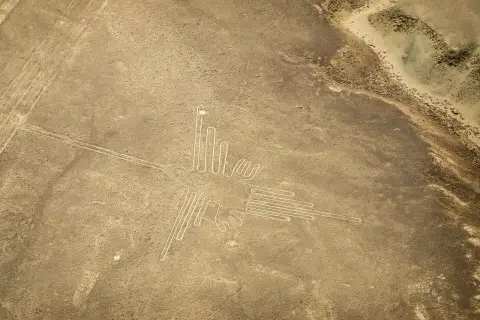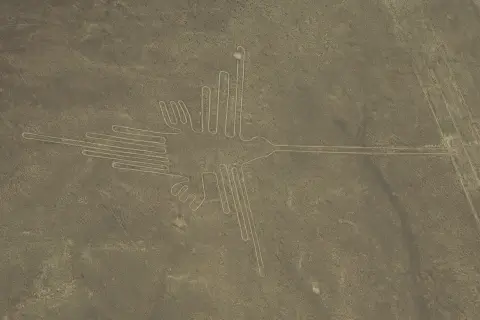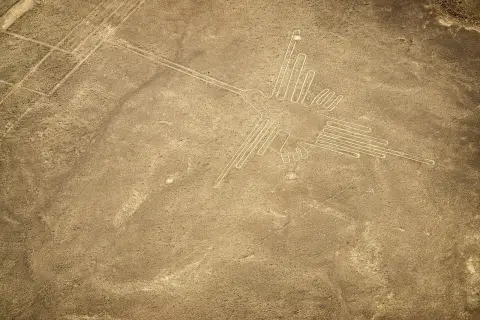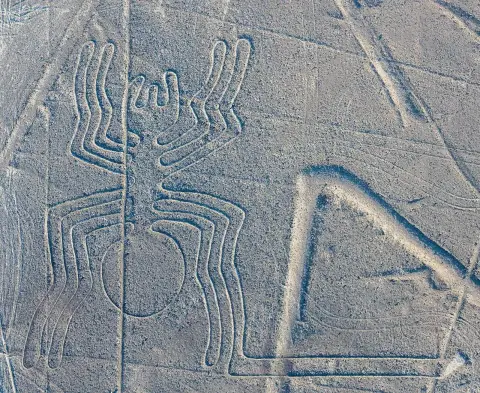
Cahuachi is the largest ceremonial centre of the Nazca culture, a field of more than 40 mounds with stepped adobe structures in the desert south-west of Nazca town. It was used roughly between the first and fifth centuries CE and is best understood as a pilgrimage site, not a city. Go by taxi or tour from Nazca for about half a day, in the morning, with water, sun protection and the opening and ticket rules checked locally.
Map
What Cahuachi is
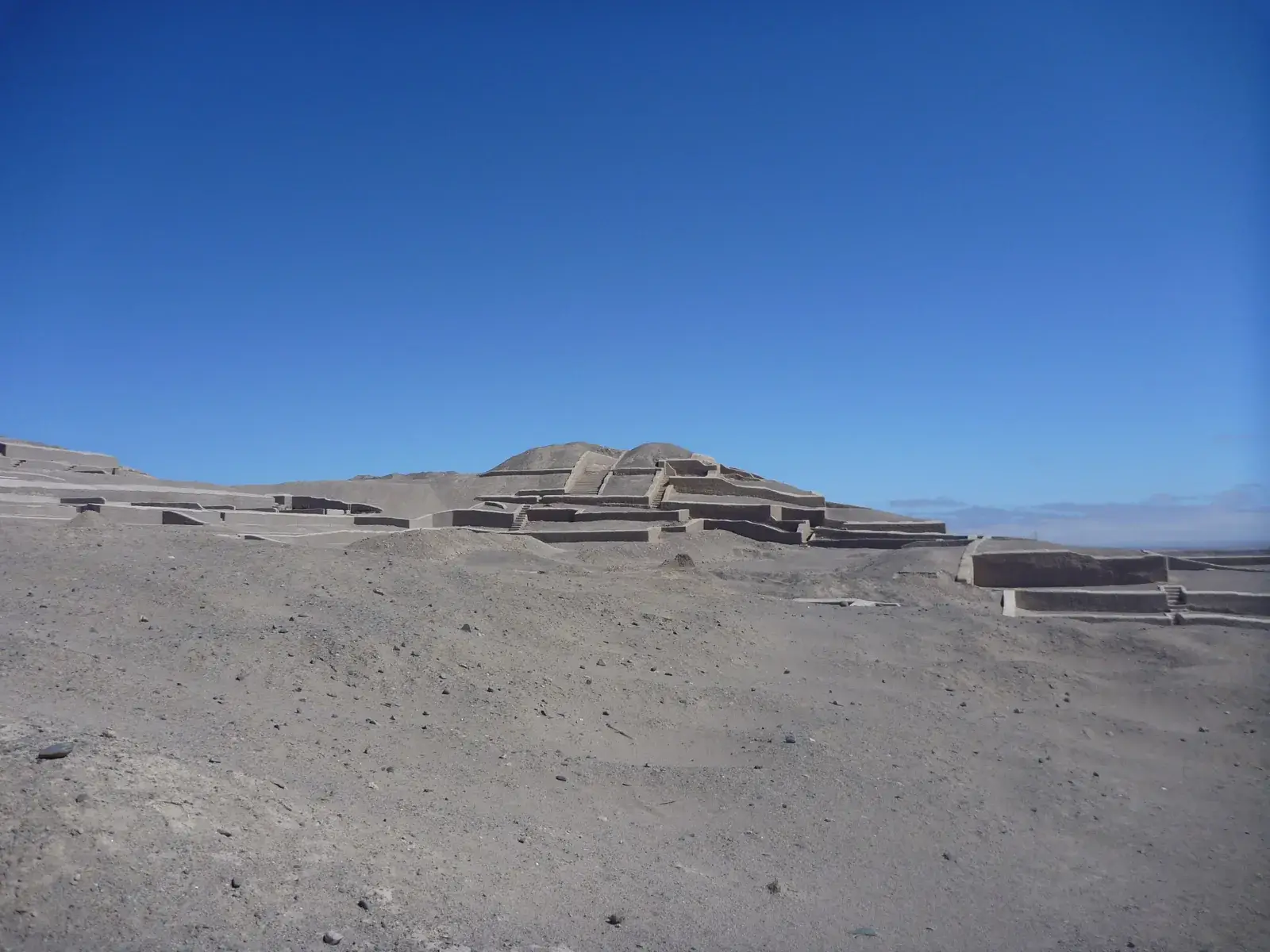
Cahuachi is the largest known ceremonial centre of the Nazca culture, the same people who marked the desert with the famous geoglyphs. It lies in the valley of the Nazca river, a dry stretch of terraces and low hills, and it faces two of the flat plains where the drawings are found. The complex covers roughly 1.5 square kilometres and holds more than 40 mounds, many of them topped with stepped structures built of adobe.
For a traveller it is the other half of the Nazca story. The Nazca Lines show what the culture drew, and Cahuachi shows where people gathered, built and made offerings. It is quiet, open to the sky and very different in feel from the viewing flights described on the Nazca guide. Expect earthen terraces, long views and few other visitors, not carved stone or painted walls.
A pilgrimage site, not a capital
Early researchers thought Cahuachi was the capital of a Nazca state. Excavation has changed that picture. Archaeologists found few traces of permanent houses, only light, temporary structures of the wattle-and-daub kind, and food remains that suggest meals brought in and eaten on the spot. The best reading today is that a small resident group looked after the temples, and that the population swelled for ceremonies and pilgrimages.
Work at the site has uncovered burials, ceremonial drums, panpipes, fine painted pottery and offerings of animals such as llamas and guinea pigs. Broken pottery appears to have been part of the rituals, and studies point to the consumption of hallucinogenic drinks. Research also suggests that around 40 of the mounds are natural hills that the builders shaped and faced to look like constructed pyramids, which explains how so many monuments could be made by a population that did not live there year-round.
Tours and activities
Bookable online, chosen for their traveller reviews.
-
From €40 per person
-
From €40 per person
The Great Temple and what you see
The core of the site is the Great Temple, a large stepped platform that rises above the others and is the part most often shown in photographs. Around it lie lower terraces, rooms and enclosures marked by straight adobe walls, and in places you can see how the faces were built up in layers. Some sections have been excavated and consolidated, while others remain as low mounds of sand-coloured earth that you recognise only when you walk close.
The colour palette is brown, grey and pale blue sky, and the scale is easier to feel on foot than in a photograph. Take a slow walk around the main mound, then step back to a point where the terraces line up. Excavations over the past decades have been led by Italian and American teams, and recent work has focused on conserving the adobe. Because the site is an open archaeological zone, follow the marked paths, do not climb walls and do not pick up pottery fragments, however plentiful they look.
History and research in brief
The ceremonial buildings are dated mostly to the middle phase of Nazca pottery, in the first centuries CE, which places Cahuachi alongside the early period of the lines. The site was recognised by researchers in the early twentieth century, and the American archaeologist William Duncan Strong excavated here in the early 1950s. From the early 1980s the Italian archaeologist Giuseppe Orefici led a long programme of excavation, with the American archaeologist Helaine Silverman also working on the question of what kind of place Cahuachi was.
The centre was later abandoned, a change often linked by researchers to floods and earthquakes and to shifts in the wider region. That history matters for a visit because it explains why the mounds are weathered and partly buried. Looting is described as the greatest threat to the area, since the surrounding burial grounds are tempting targets, which is one more reason to stay on the paths.
Getting there from Nazca
Cahuachi lies in the desert south-west of Nazca, about thirty kilometres away by road. The usual way is a taxi hired for the trip or a small tour from the town, with a driver who waits while you walk. A private vehicle is the most flexible option, and the road is a dusty track in places, so ask about conditions before you set off. There is no reliable public transport to the site.
Agree the price, the waiting time and the return in advance, and make sure the driver knows the destination, since several desert sites lie in the area. Many tours combine Cahuachi with other stops outside Nazca, such as the cemetery and aqueducts around the town. If you are arriving by road, the Lima to Nazca page covers the long ride in, and buses in Peru covers terminals and night services.
Best time, effort and safety
Go in the morning. The valley is hot and dry, shade is rare and the wind can raise dust later in the day, and the strong winds that cross the area can turn into sandstorms. The terrain is flat to gently sloping and the walking is easy, at about 365 m above sea level, so altitude is not a concern here, unlike in the highlands. The real effort is heat and sun.
Take more water than you expect to drink, a hat, sunglasses, sun cream and closed shoes, and see the packing list for desert days. Phone signal may be poor, and there is little or no food on site, so bring a snack. General advice on petty crime, taxis and remote sites is on the safety page. Visit in daylight, tell someone where you are going and do not wander off the marked areas.
Is it worth it, and what to combine
Cahuachi suits travellers who enjoy archaeology and open landscapes and who have a few extra hours in Nazca. It is less rewarding if you want guarded displays, long explanations on site or a short stop, and it will not give the instant spectacle of the lines from the air. If your time is very short, read is Nazca worth it before adding this to the list.
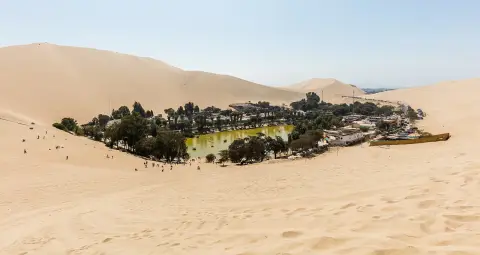
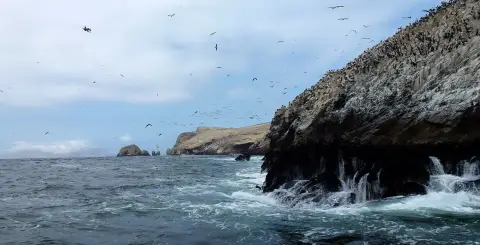
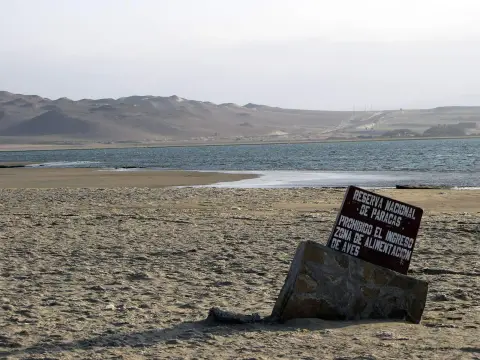
A sensible plan is a morning at Cahuachi, then the town museum or the lines flight in the afternoon if conditions allow, or the other way round. Coming from the coast, you may have seen the pre-Inca world at Paracas and in the Paracas reserve, where the earlier Paracas culture lived, and the oasis at Huacachina is the usual stop before Nazca. Cahuachi connects those stories to the Nazca period.
Where to sleep
-
Find hotels
Nazca
Base for the lines and the flights over them
Frequently asked questions
What is Cahuachi?
It is the largest ceremonial centre of the Nazca culture, with more than 40 mounds and stepped adobe structures in the Nazca valley. Researchers think it was a pilgrimage site used for periodic ceremonies, not a permanently populated city.
How far is Cahuachi from Nazca town?
About thirty kilometres by road to the south-west, usually reached by taxi or a small tour. Allow extra time for the dusty track and ask the driver about current conditions.
How long should I plan for Cahuachi?
Plan about half a day including the drive from Nazca, with one to two hours on foot at the site. Start early, since the desert heats up and the wind picks up later in the day.
Is there an entrance fee or a guide?
Ticket rules and fees can change, so ask at the site or when booking the taxi or tour, and carry small notes in soles. A local guide helps because the mounds are easier to read with an explanation of what was found.
Can I visit Cahuachi without a tour?
Yes, with a hired taxi, but there is no reliable public transport. Agree the waiting time and price first, and bring water and food from town, as there is little on site.
Is Cahuachi connected to the Nazca Lines?
Yes. It belongs to the same culture and overlooks part of the plains where the lines are drawn, so many researchers study the two together. See the Nazca Lines page for the figures themselves.
Is Cahuachi worth visiting if I fly over the lines?
It adds the ground-level, human side of the story, which the flight does not give. If you only want the figures, skip it; if you are curious about who made them and why, it is the best place near Nazca to start.