The Paracas National Reserve protects a long stretch of desert and coast next to Paracas town, where bare dunes drop to the Pacific. Visit by guided tour, taxi or hired bike, and allow two to three hours. The famous sights are the cliffs and viewpoints, the red sand beach and the fishing bay of Lagunillas. It is dry, windy and exposed, so bring water and sun protection.
Map
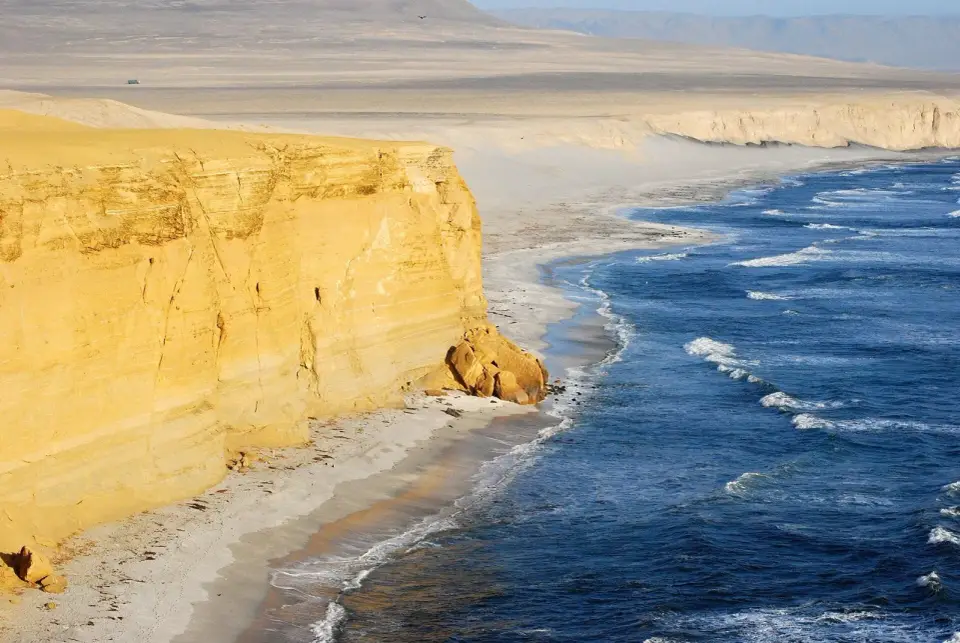
A desert that meets the sea
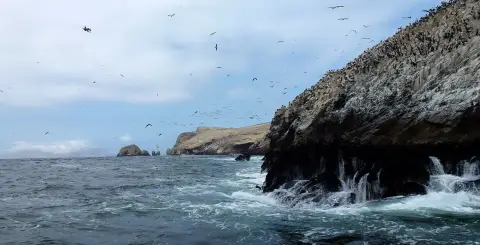
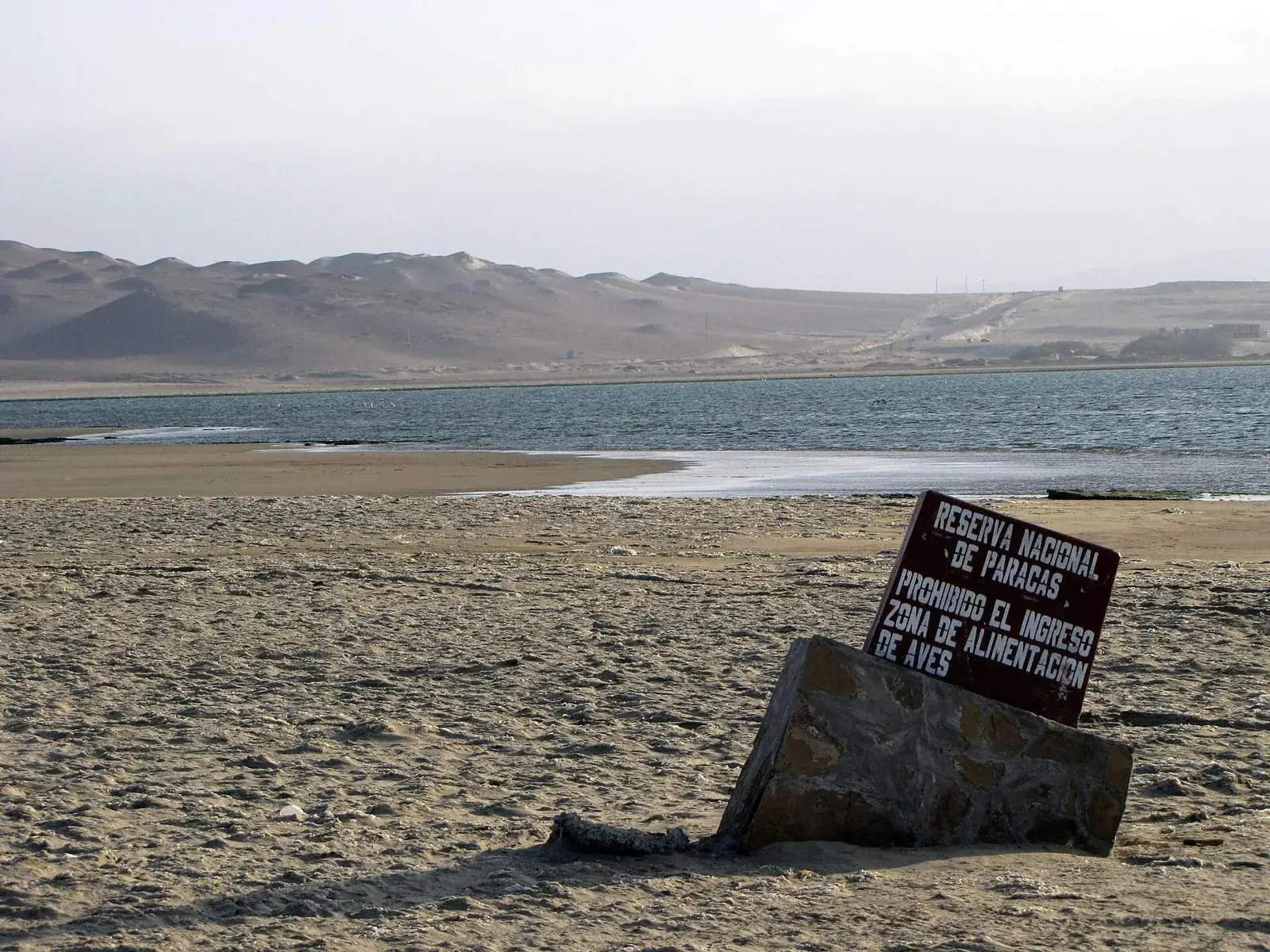
The reserve combines marine and desert landscapes. The coast of southern Peru is among the driest in the world, yet the cold ocean current offshore feeds rich fisheries, so the contrast is striking: arid cliffs and sand on one side, abundant sea life on the other. The protected area includes both land and sea, and it is an important place for coastal and migratory birds.
Because the reserve is large, you need transport. Most visitors go by tour, which follows a standard loop with guided stops and explanations. Driving a loop independently by taxi is another way, and some visitors cycle the shorter parts.
The main stops
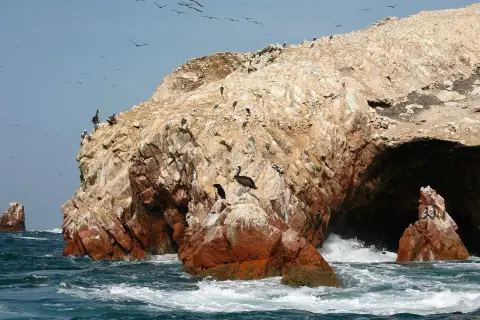
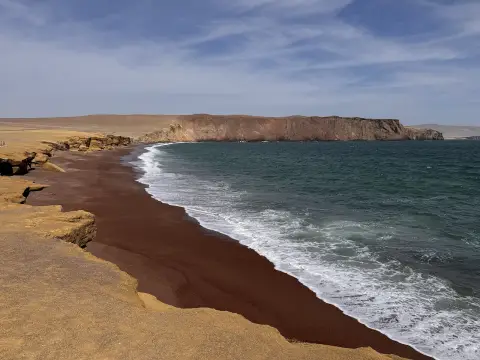
The Red Beach (Playa Roja) gets its colour from the reddish sand and rock around it, a result of the local geology. Views from the clifftop are wide, with the sea surging against red and ochre rock. Other viewpoints look over sea cliffs where birds nest, and one lookout is popular for watching the sunset.
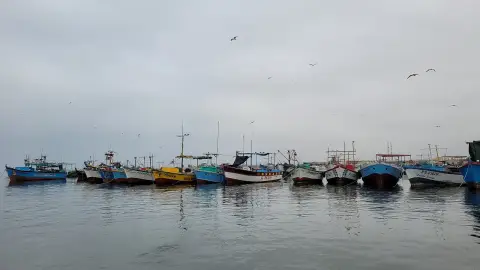
Lagunillas is a small fishing village on the bay, where a few simple restaurants serve fresh seafood. The setting is attractive, with boats pulled onto the sand, and it is a natural lunch stop. Ceviche and fried fish are on most menus, but choose busy places and eat only seafood that is clearly fresh.
There is also a site museum that explains the Paracas culture, known for its remarkable textiles and the burial practices found in the area. It can be a useful stop to understand the human history behind the landscape, and gives context if you later visit the Nazca region.
Wildlife may include flamingos in some seasons, sea lions and a variety of seabirds. Sightings vary, so treat them as a possibility.
Tours and activities
Bookable online, chosen for their traveller reviews.
-
★ Top rated From €27 per person
-
★ Top rated From €27 per person
-
Day trip From €30 per person
Practical planning
The reserve requires an entrance ticket, bought at the control point, and it may or may not be included in tour prices. Ask when you book. Tours generally run in the morning or afternoon, and combine well with a boat trip to the Ballestas Islands, with the boat early and the reserve afterwards.
There is almost no shade or shelter, and the wind is often strong in the afternoon, kicking up sand. Bring water, a hat, sunglasses and sunscreen, and cover your camera. The sun and wind are tiring, so allow time for rests.
Stay on marked roads and tracks to protect the fragile landscape, and take rubbish with you. If you plan to go by bike, note that distances between stops are significant and the wind may be against you on the return.
Tour, taxi or bicycle
A guided tour is the simplest way to see the reserve. The guide explains the geology and wildlife, the route is set, and you do not need to think about navigation or sand tracks. Tours are widely available in Paracas. See Paracas tours to understand how they are usually arranged and what to ask.
A taxi or a private driver gives you more control over timing and photograph stops. Agree the route, the waiting time and the total cost before you start, and confirm whether the entrance ticket is separate. This option suits small groups and photographers who want to stay longer at a viewpoint.
Cycling is possible on part of the reserve and popular with visitors who enjoy the exercise, but it is exposed and the wind is a factor. Do not set out in the middle of the day, carry plenty of water, and ask locally whether the road conditions are suitable. For most travellers, a vehicle is a more comfortable choice.
The Paracas culture and the wider region
The Paracas culture is known for its finely woven textiles and for burial practices found on the peninsula, and it is part of the longer story of the south coast that includes the Nazca culture. The site museum in the reserve gives a short introduction. It is a good place to learn why this empty-looking coast was home to a sophisticated society.
Textile and burial finds from the region are now spread between museums, and many of the best pieces are not on display at the reserve itself. The museum in the reserve therefore works best as context rather than as a collection, and it helps if you plan to see the desert drawings later in your trip.
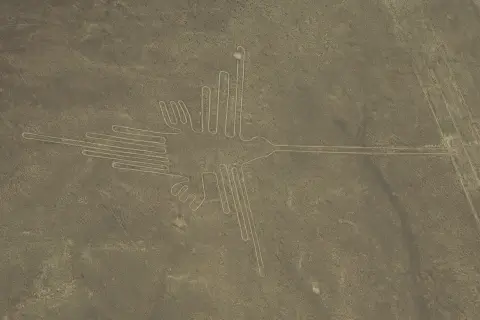
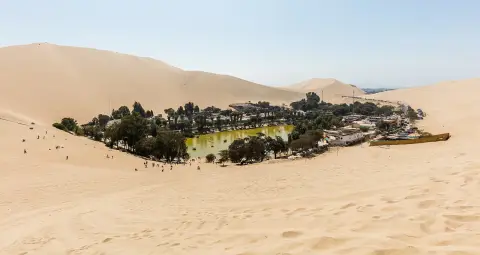
See Nazca Lines to understand how the region fits together. See Lima to Paracas for the journey south. Travellers continuing to the dunes of Huacachina will see a very different desert landscape within a short drive.
Where to sleep
-
Find hotels
Paracas
Bay town with the boats to the Ballestas Islands
Frequently asked questions
How long do I need for the Paracas National Reserve?
Two to three hours for a standard loop by vehicle. Add time for lunch at Lagunillas or the museum.
Is the entrance included in the tour price?
It depends on the operator. Ask when booking whether the reserve ticket is included.
Can I visit the reserve and the Ballestas Islands in the same day?
Yes, and this is the usual plan: boat trip in the morning, reserve afterwards.
Can I visit the reserve by bicycle?
Part of it, yes, but the distances are significant and the wind and sun are strong. Do not set out in the middle of the day, and carry plenty of water. A vehicle tour is the easier option.
What is the best time of day for the reserve?
Morning and late afternoon give the best light and cooler temperatures, but the afternoon wind can be strong. Many visitors do the boat trip first and the reserve later in the day.
Where can I eat in the reserve?
Lagunillas has simple restaurants serving fresh seafood. Choose busy places. Bring snacks, since there are few other options.
Is the Red Beach good for swimming?
It is mainly a scenic stop. The Pacific is cold and conditions can be rough, so follow local advice and flags before entering the water. Many visitors just walk on the sand and take photographs.
Will I see flamingos?
Possibly, in some seasons. Sightings vary, and no tour can promise them. Sea lions and seabirds are more reliable, especially on the Ballestas trip.