August is dry and still busy, but it is also the month of Pachamama, the Andean Mother Earth, when offerings and rituals are visible across the highlands. Arequipa celebrates its anniversary on 15 August. Expect windy, dusty afternoons in the Andes, cold nights, low rivers in the Amazon and a grey Lima. It is a very good month for treks, and a culturally rich one.
The month of Pachamama
In the Andes, August is traditionally the month when people thank and feed the earth. Families and communities make offerings, called pagos or despachos, of coca leaves, sweets, flowers and other items, often burned or buried with prayers to ensure good harvests and protection. Visitors may see small ceremonies at the edges of towns, in markets and at archaeological sites, and some tours include a guided offering led by a local specialist.
Treat these as living religious practices, not performances. Ask before photographing, follow your guide's instructions and avoid joining a ritual uninvited. Choose experiences led by local people, not those presented as generic shows. For the basics of respectful behaviour, see etiquette.
Arequipa's anniversary
Arequipa marks the anniversary of its foundation on 15 August, with parades, folk dance, fireworks and a week or more of events. The white-stone centre fills with visitors, and hotels are busier than in other August weeks. The city is sunny, mild by day and cool at night, which makes it one of the pleasant places to be at this time of year, especially after cold nights in Cusco or Puno.
The Colca Canyon trips from Arequipa are at their best for condor viewing in the dry months. If the anniversary is the draw, book a hotel near the centre well ahead, and keep in mind that parade routes can close streets and change taxi routes for the day.
Wind, dust and cold
August is often windier than July. In the highlands afternoons can bring strong gusts that lift dust from the dry fields and roads, which irritates eyes and throats and affects photography. The cold persists at night, and temperatures at high camps can fall well below freezing. Lake Titicaca has crisp clear days, with wind making the lake feel colder on boat trips.
Bring a buff or scarf, eye drops and a case for camera gear. Lip balm and moisturiser are useful in the very dry air. Anyone with asthma or a sensitive chest should ask a doctor before travelling and carry their usual medicines.
Trekking in August
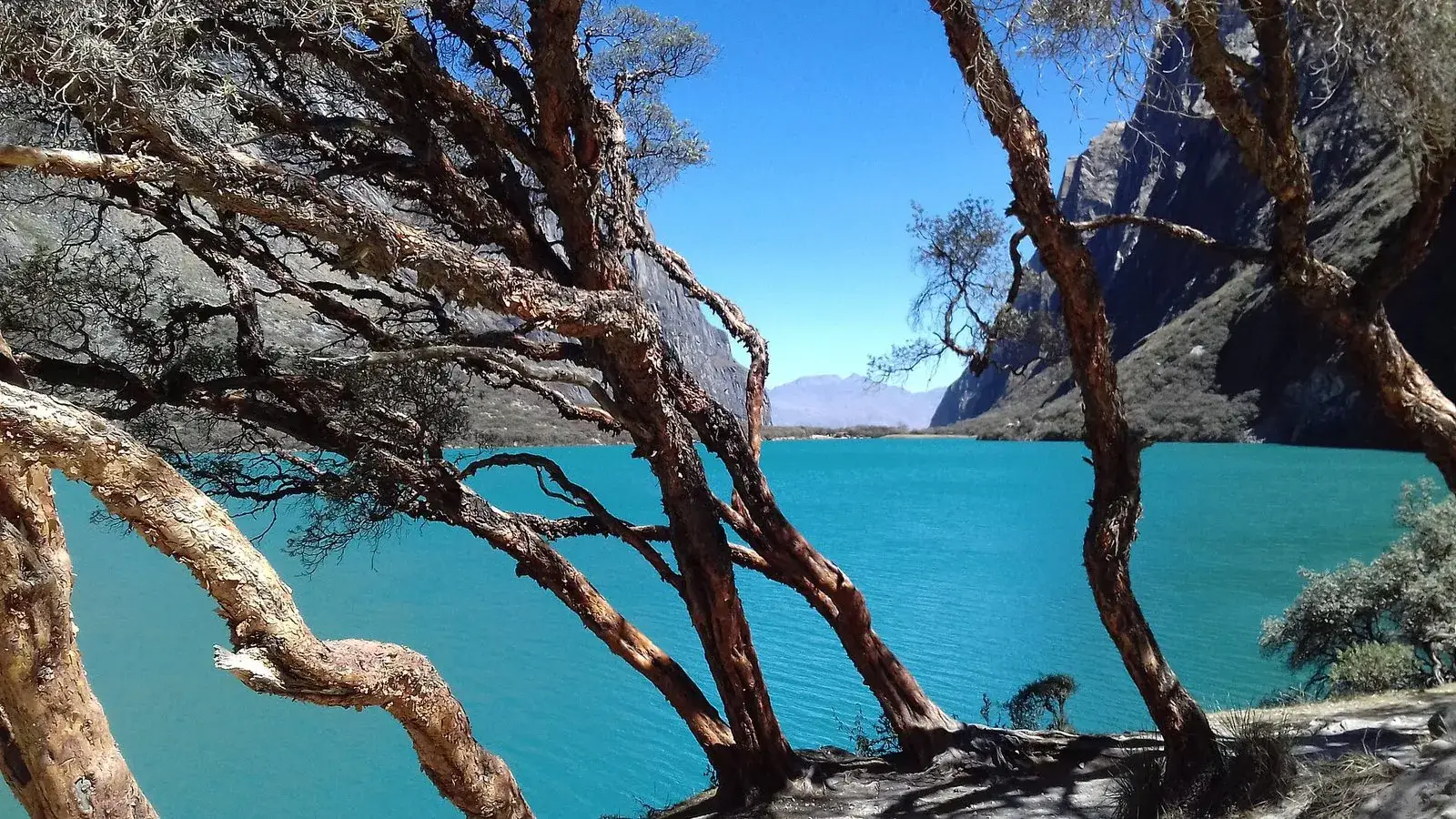
For trekking, August is excellent. The Cordillera Blanca and Huayhuash are in their stable period, and the Cusco routes remain clear, though still busy. Early starts matter more than usual because afternoon wind can make high passes unpleasant, and camps are colder at dawn.
Because the weather is so settled, operators fill their departures, and the better guides and muleteers are booked well ahead. If you are planning a multi-day route, choose an operator early and confirm what is provided in terms of tents, sleeping bags and meals. The Santa Cruz trek is a good alternative if Huayhuash is fully booked.
Amazon and coast
In the Amazon, rivers are low, so some boat journeys are slower and sandbanks are exposed, which is good for walking and for seeing caimans and birds on the banks. Tambopata is a good base at this time, with clay licks and river wildlife easier to reach. Lodge programmes may change as water levels fall, so ask for current details when you book.
On the coast, Lima remains grey and damp, while the south around Paracas and Nazca is dry and bright. Further north, the whale season continues, and the sea is cool.
Culture beyond the offerings
August rewards travellers who look for local events. Smaller towns and districts hold their own fiestas, many linked to patron saints, and markets sell the ingredients for offerings. The result is a month where cultural travel feels particularly rich, especially in the southern highlands, but also where a local event can close roads or fill small hotels with little warning.
Ask at your accommodation what is happening in the days you are there. For the national calendar, but village celebrations are not always published, see festivals and holidays.
Who August suits
August suits trekkers who want settled weather, travellers interested in Andean culture and anyone visiting Arequipa. It suits less well anyone who is sensitive to dust or wind, or who wants to avoid the crowds of the high season. If crowds are the main concern, compare September, which keeps the dry weather but eases the pressure.
For a first trip with a fixed date, August is a reliable choice, as long as permits, tickets and trains are secured in advance and warm clothes are packed.
Frequently asked questions
What is Pachamama month?
August is traditionally the time for offerings to Pachamama, the Andean earth, so you may see rituals in communities and markets. Treat them as religious events and ask before taking photographs.
When is Arequipa's anniversary?
15 August, celebrated with parades and events that fill the city. Book a hotel early and expect street closures.
Is August windy?
Often, in the highlands, especially in the afternoon, so bring eye protection and a scarf.
Is August as crowded as July?
Machu Picchu stays very busy, but the rest of the country is a little calmer once the late-July holidays pass. Book tickets and permits early all the same.
Is August good for Colca Canyon?
Yes, it is in the dry season, with clear mornings and good condor viewing. Cold starts are normal, so wear layers at the viewpoint.
Can I take part in a Pachamama ceremony?
Some tours include an offering led by a local specialist. Choose one run by local people, follow instructions and do not photograph without permission.
Is the Amazon good in August?
Yes. Low rivers expose banks where animals gather, and walking trails are drier. Lodges adjust programmes to the water level.