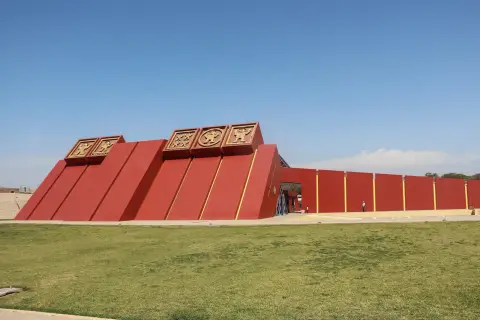
The Ica Regional Museum Adolfo Bermúdez Jenkins is the main museum of the Ica region and a good indoor stop in the city for the hottest hours of the day. It holds material from the Paracas and Nasca cultures, with mummies, textiles, ceramics, deformed and trepanned skulls and a scale model of the Nazca Lines. Allow about one to two hours, and check opening times and ticket rules before you go, because they change.
Map
What the museum is
The Ica Regional Museum Adolfo Bermúdez Jenkins is the archaeology museum of the Ica region, administered by the regional culture authority. It was created by supreme decree in 1946, and the opening date given by different sources varies between 1946 and 1947. The name honours Adolfo Bermúdez Jenkins, one of the people credited with helping to found it. It moved to its present site on Ayabaca street, in the San Isidro area of Ica, in 1971.
For a traveller the value is simple. The south coast of Peru was home to several of the most skilled textile makers and potters of the ancient Andes, and most visitors meet that world only through a boat trip or an overflight. Here the objects are close enough to study: cloth, pots, tools and the people who made them. If you are building a route through the Ica and Huacachina area, it is the one cultural stop that gives the dunes and vineyards some human depth.
Paracas and Nasca collections
Most of the collection comes from the Ica valley and nearby coast, and it centres on two cultures. The Paracas culture, which flourished on the desert coast in the first millennium BC, is known above all for its embroidered textiles and for burials in which the dead were wrapped in layers of cloth. The Nasca culture, which followed, is known for painted pottery and for the geoglyphs of the pampa. The museum also shows pieces attributed to later groups, including the Wari, Ica, Chincha and Inca peoples, so the display runs through several centuries of the region's story.
Look for the patterned mantles. The colours and the fineness of the stitching are the things photographs rarely convey, and they explain why Paracas cloth is prized in museums around the world. The Nasca ceramics reward a slower look too, since the painted birds, fish and mythical figures echo the imagery later seen in the lines. Labels are mostly in Spanish, so a phrasebook or a guide helps. The museum was assembled from the work of archaeologists and also from material recovered by looters, which is a common and uncomfortable fact of Peruvian collections.
Tours and activities
Bookable online, chosen for their traveller reviews.
-
From €26 per person
-
Day trip From €35 per person
-
Day trip From €40 per person
-
Day trip From €148 per person
Mummies, skulls and the bioanthropology room
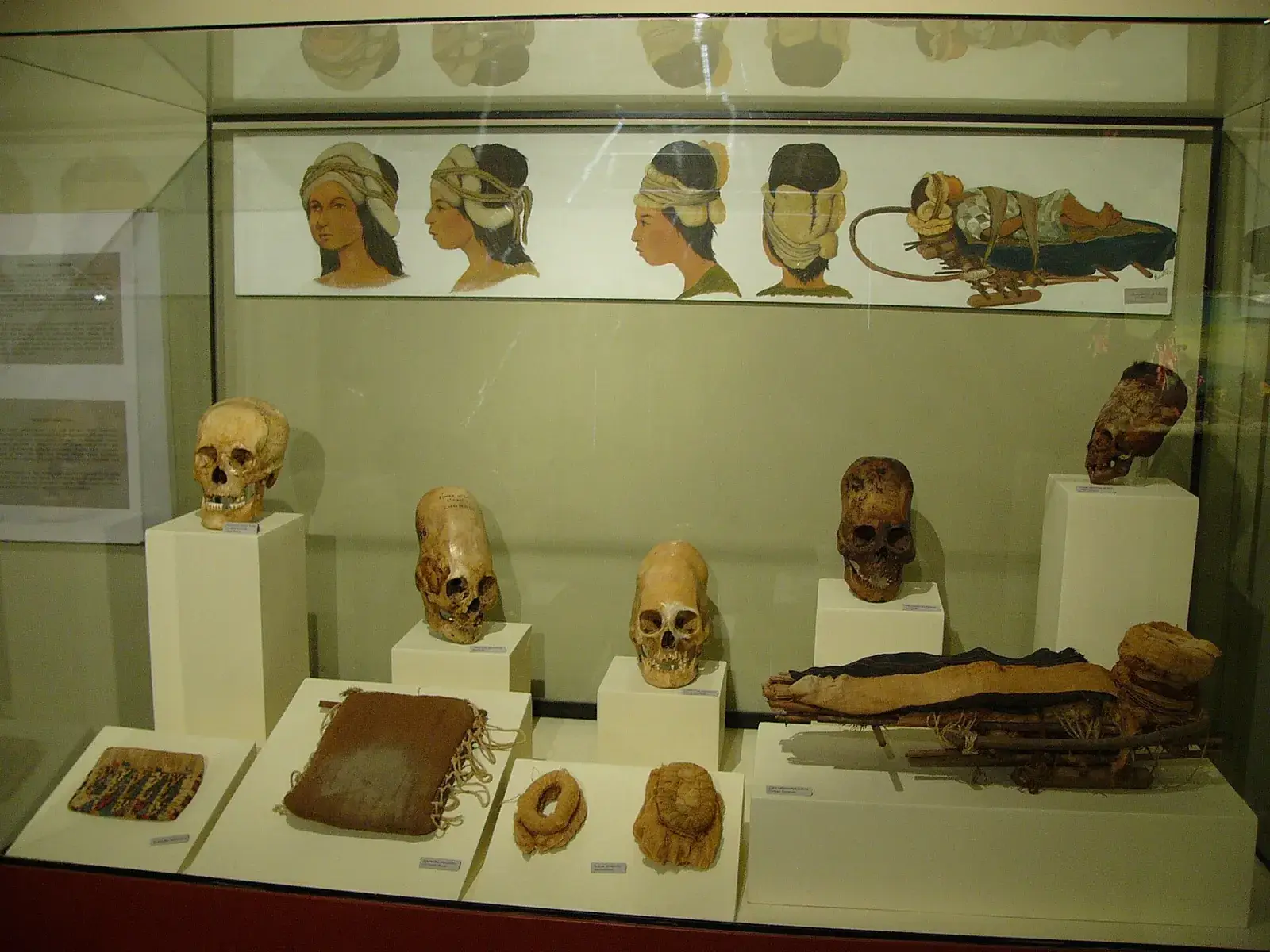
The part of the museum most visitors remember is the room on human remains. It shows mummies from the dry desert burials, along with skulls that illustrate practices of the ancient south coast: deliberate cranial deformation, shaped in childhood, and trepanation, a surgical opening of the skull that some individuals survived. There are also trophy heads, which are preserved human heads linked to Nasca ritual, and displays about hairstyles, food and the diseases that bone can record.
This room is serious science, not a curiosity cabinet, but it is still human remains and some visitors find it uncomfortable. Children vary in how they react, so look in first if you are unsure. Photography rules inside the museum can differ by room, so ask staff before you raise a camera, and do not use flash near textiles or bone. The material also gives a useful frame for later visits: after the skulls, the buried bodies you may see elsewhere on the coast make more sense.
The Nazca Lines model
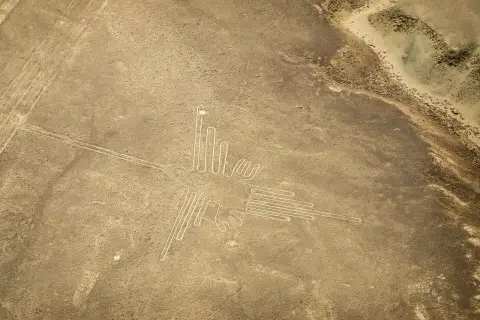
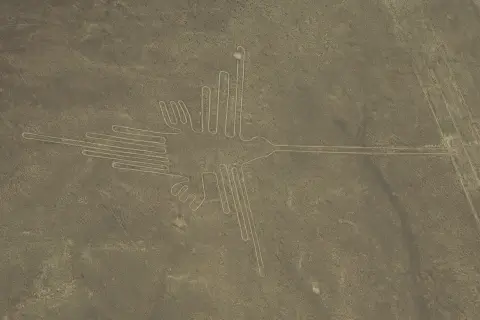
One exhibit is worth a stop even if you do not like museums: a scale model of the Nazca Lines, described as built at 1:500. Seen from above, the figures and straight lines make sense in a way they never do from the ground, and the model shows how the designs sit in relation to each other on the pampa.
It is a good companion to an overflight, either as preparation before you fly or as a way to understand what you saw afterwards. If you have not yet decided whether the flight is for you, the Nazca Lines page covers what the lines are and what the flight involves, and Nazca explains the town. For many travellers who skip the flight for cost or motion-sickness reasons, the model plus a visit to the viewing tower is the compromise that works.
Getting there from Huacachina or the city
The museum is in Ica, not at the oasis. From Huacachina it is a short taxi ride, and a taxi from a hotel in the city is shorter still. Agree the fare before you get in, since meters are not normal, and ask your hotel or the driver how to get a taxi back, since you may not find one waiting when you leave. Walking from the centre may be possible, but the midday heat makes it tiring.
Buses from Lima arrive at terminals in Ica, and the Lima to Huacachina route shows how long that leg takes. If you are continuing south, Lima to Nazca covers the road beyond Ica. If you are staying at the oasis, the Huacachina accommodation page explains why most people sleep there and travel into the city for the day.
When to go and how long to stay
Plan on one to two hours. A quick visit can be done in under an hour, but the textiles and the skull room reward a slower pace. The best slot is the late morning or early afternoon, when the sun is at its hardest and an indoor visit is welcome. In summer, roughly December to March, the Ica heat can be intense, and the museum is a good escape from it.
Before leaving the oasis, check the current opening hours and the entrance ticket rules. Public museums in Peru can change their hours for holidays and maintenance, and the museum has been through rounds of renovation planning in recent years. A call or message to the regional culture office, or a question at your hotel, is better than trusting a printed time.
Who it suits and what to combine it with
The museum suits travellers with an interest in archaeology, textiles or anthropology, and anyone who wants context before or after Paracas and Nazca. It is less suited to travellers with young children who dislike quiet galleries, or to those who want an interactive experience, since displays are fairly traditional. If you have only a day in Ica, you can see the museum in the morning, take lunch in town and keep the late afternoon for the dunes.
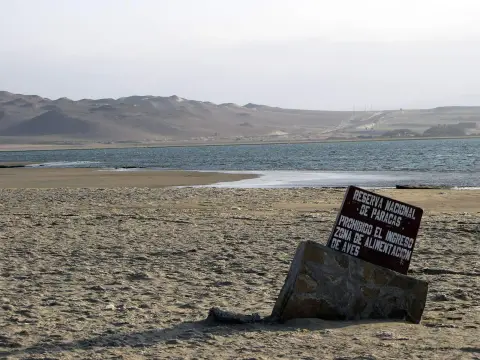
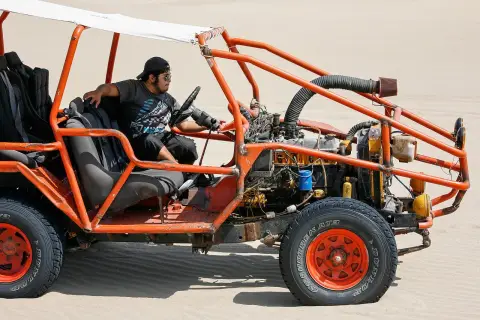
A natural combination is Ica museum, a pisco tasting (see pisco) and the buggies at sunset. If you are choosing between the coast and the desert oasis, Paracas or Huacachina can help. For the cultures behind the collection, the Paracas National Reserve preserves the landscape where the Paracas people lived. Anyone planning a longer museum trail should look at museums in Peru.
Where to sleep
-
Find hotels
Huacachina
Lagoon among dunes, built for dune buggies and sandboarding
-
Find hotels
Ica
The city for more space and local life, a short ride from the oasis
Frequently asked questions
How long does a visit to the Ica Regional Museum take?
Most visitors spend one to two hours. A quick walk past the main rooms can be done in less than an hour, but the textile cases and the room of skulls and mummies deserve more time.
Is the Ica Regional Museum worth it if I am going to Nazca?
Yes, as context. The Nasca ceramics and the scale model of the lines help you understand what you are looking at from the air or from the viewing tower. See Nazca Lines for the lines themselves.
Can I visit it as part of a Huacachina trip?
Yes. The museum is in the city of Ica, a short taxi ride from the oasis, and it fits neatly into the hours before the sunset buggy ride. See Ica and Huacachina for the wider plan.
Are there real mummies on display?
Yes. The bioanthropology room shows mummies and other human remains from ancient burials of the south coast. They are displayed for study, so some visitors prefer to skip that room.
Are the labels in English?
Labels are mainly in Spanish, so expect to rely on a guide, a translation app or your own notes. Check at the entrance whether any English material is available.
Is the museum open every day?
Public museums in Peru often change their hours on holidays and for maintenance, so confirm the opening days with the regional culture office or your hotel before you go. Do not assume it is open on a Monday or on a public holiday.
Is it suitable for children?
The textile and ceramic rooms are fine for most children. The room with mummies and trophy heads can upset younger children, so look in first and decide. A visit to the Ballestas Islands is an easier family stop on the same route.