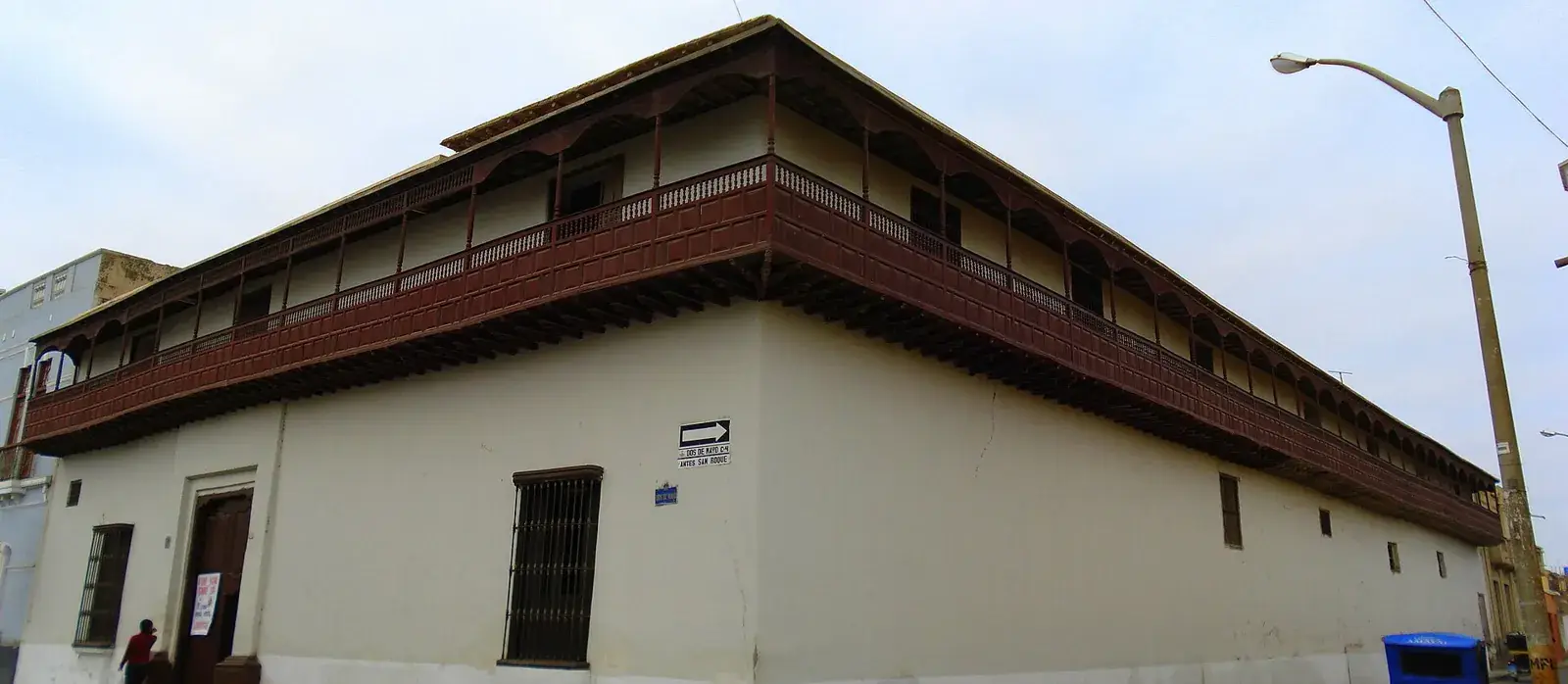
Lambayeque's old town is a compact grid of low colonial houses with long wooden balconies, about 5 km from Chiclayo, and it makes an easy half-day trip that fits comfortably with the two big museums on the edge of town. The best-known house is the Casa Montjoy, with a balcony reported at around 67 m. Walk the centre in the morning, eat a king kong sweet, and do not expect restored monuments: many houses are worn and some are at risk.
Map
What the old town is
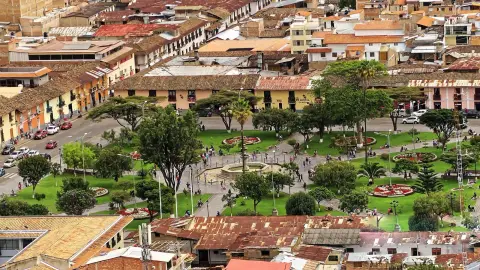
Lambayeque is a small city in the flat, irrigated valley of the same name, only about 5 km from Chiclayo and a few metres above sea level. It was founded in 1553 as San Pedro de Lambayeque, and it kept its colonial street grid even as its bigger neighbour grew into the commercial centre of the region. Today it feels like a quiet provincial town beside a busy one.
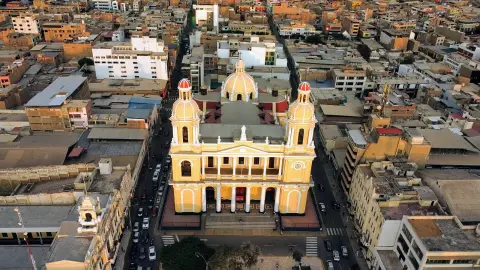
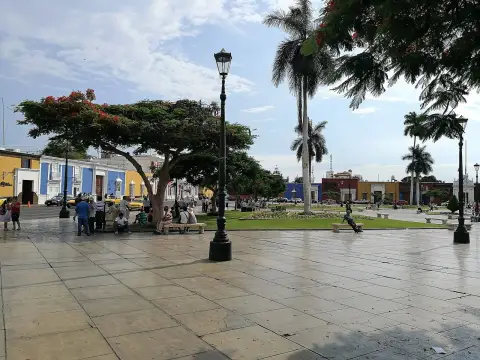
The old town is the area around the main plaza and the streets leading off it, where low whitewashed houses with heavy doors and iron-barred windows still line the pavements. What sets them apart are the wooden balconies, long, enclosed or open galleries of carved timber that run along the upper floors and often wrap around street corners.
For the wider picture of the region, start with the Chiclayo guide. Lambayeque is best treated as a half-day add-on to it rather than a destination for a night.
A short history
The valley was occupied long before the Spanish. A temple at Ventarrón, in the same area, is reported to date from around 2000 BC, and the plain around Túcume holds hundreds of adobe pyramids. The Spanish town of 1553 was laid out on top of an indigenous settlement whose Mochica name is usually given as Ñampaxllæc.
The town's best-known claim comes from the end of the colonial period. On the night of 27 December 1820, local patriots led by Juan Manuel Iturregui rose against the royalist garrison and signed an act of independence, months before San Martín proclaimed independence in Lima. Lambayeque's nickname, the "cradle of liberty", comes from this episode, and the house associated with it is the Casa Montjoy.
Some details are still discussed by historians, including the exact dates of the signing and of the public proclamation, so treat dates on local plaques as one account among several.
Casa Montjoy and the long balcony
The house everyone comes to see is the Casa Montjoy, also called the Casa de la Logia, on the corner of Dos de Mayo and San Martín, about a block from the church of San Pedro. Its carved timber balcony turns the corner and is usually described as one of the longest in South America, with figures of around 60 to 67 m quoted depending on the source. The house is tied to the independence meeting of 1820 and to local freemasonry, hence its second name.
Sources disagree on when it was built, with dates from the 16th to the early 19th century, and a municipal record gives 1753. It was declared a national monument in 1963. For a visitor the experience is mostly external: stand across the street and follow the line of the balcony, which is the best way to appreciate its length.
Whether you can go inside depends on what the building is used for at the time, so do not plan around it.
Walking the centre
The centre is small enough to cover on foot in one to two hours, and the pace is gentle. Start at the plaza, look at the church of San Pedro, then walk the surrounding blocks and look up. The balconies vary in style: some are plain boards, others have turned balusters and decorated brackets, and a few have been painted in pale colours that stand out against the sun-bleached walls.
You will also notice that many of the old houses are in poor condition. Peruvian press reports from 2019 warned that about 30% of roughly 72 historic houses in the centre were at risk of collapse, and a small maintenance effort followed in 2021. Cracked plaster, propped beams and shuttered doors are common, so keep clear of walls under balconies and do not lean on the timber.
This is part of the interest, but it also means the town suits people who like faded character more than polished restoration.
The museums on the edge of town
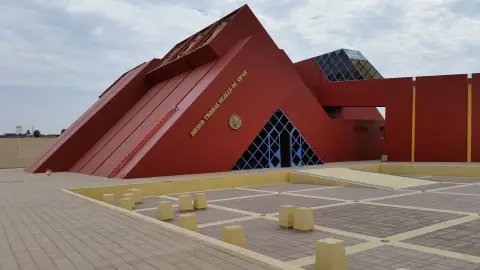
Two of the best museums in northern Peru are in Lambayeque, and they are the main reason many travellers come. The Royal Tombs of Sipán Museum, opened in 2002, shows the finds from the Moche tombs excavated at Huaca Rajada, in a pyramid-shaped building. The older Brüning Museum holds gold and silver work, textiles and ceramics from several cultures of the coast.
Each deserves its own visit, and both have their own coverage: see the Lord of Sipán museum and site before you decide how long to give them. A sensible plan is to do a museum in the morning, walk the old town and eat, then return to Chiclayo in the afternoon.
Opening days and hours differ between the museums and change, so check them shortly before you go and avoid planning the trip around a Monday without confirming.
King kong and other sweets
Lambayeque is known across the north for king kong, a sweet made of layers of thin biscuit joined with manjar blanco (milk caramel), fruit paste such as pineapple, and sometimes peanuts. It is sold in squares in small shops around the centre, and it is very sweet, so one piece is enough to share. The region is also known for alfajores.
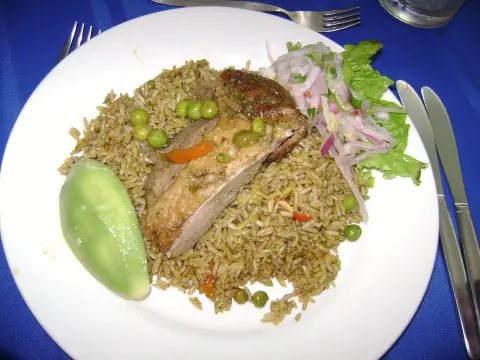
The rest of the northern kitchen is easy to find here and in Chiclayo; food in the north covers the dishes to look for, from duck with rice to the cooked-in-citrus fish dishes of the coast. Lunch in Lambayeque is a good way to break the museum and walking day.
Buy sweets from busy shops with fast turnover, and ask for a small piece to taste first if you are unsure. Prices are not fixed in advance, so look at what locals pay.
Getting there and when to go
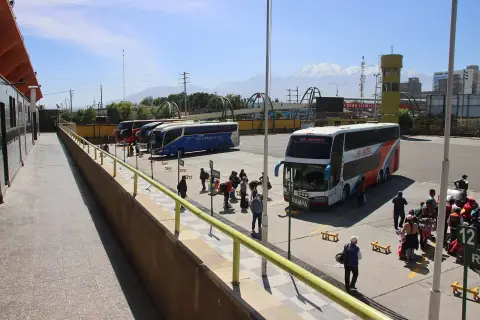
Lambayeque is a short trip by road from Chiclayo, normally 15 to 30 minutes depending on traffic. Shared vans and minibuses run between the two towns, and a taxi is simple and cheap by international standards, but agree the fare first. A driver can wait while you visit a museum, which is useful because the museums are not all at the plaza. Long-distance routes are described under buses.
The climate is hot desert, with the warmest weather around February and the coolest around August. Rain is rare, but the north coast has seen heavy rains in El Niño years. Go in the morning, when the light on the balconies is good and the streets are cooler, and bring a hat, sun protection and water.
The town is generally calm, but take normal precautions with bags and phones; see safety in Peru.
Who it suits and what to combine it with
The old town suits travellers who like architecture, history and local food and are happy with a low-key stop. It is less suited to anyone expecting a restored colonial centre like those further south, or who has only one day in the region and must choose between the museums and the pyramids at Túcume.
Combine Lambayeque with the Sipán museum and a long lunch for a half day, or with Túcume or the Pómac forest for a full day by taxi or tour. Many visitors arrive from Trujillo with Chimú and Moche sites already behind them, and continue to Cajamarca or Chachapoyas afterwards.
The northern itinerary shows where Lambayeque fits in a longer route. In total, allow three to four hours for the town alone and a full day if both museums are included.
Where to sleep
-
Find hotels
Chiclayo
Base for the Sipán tombs, pyramids and the north's food
Frequently asked questions
Is Lambayeque worth a visit if I am already in Chiclayo?
Yes, especially for the museums and a walk among the balconied houses. It is close, quiet and easy, but its colonial centre is worn rather than restored, so go for atmosphere and food rather than polish.
How far is Lambayeque from Chiclayo?
About 5 km, usually 15 to 30 minutes by taxi or shared van depending on traffic. A taxi can wait for you or take you on to the museums, which spares you from working out local transport.
What is the Casa Montjoy?
It is a colonial house with a very long carved wooden balcony, also called the Casa de la Logia. It is linked to the 1820 independence meeting, and it was declared a national monument in 1963. Seeing it from the street is the main experience.
How long do I need in the old town?
One to two hours covers the plaza, the church and the main balconied streets. Add time for a long lunch or sweets, and a half day or more if you plan to visit the museums, which are covered under the Sipán page.
What is king kong?
It is a regional sweet of biscuit layers with milk caramel and fruit paste, sometimes with peanuts. It is rich, so share a piece. Try it from a shop that sells many each day and compare it with the version you may have already seen in Chiclayo.
Can I go inside the old houses?
Mostly no. Many are private, used as offices or closed because of their condition, so the experience is from the street. If a door is open for a visit, follow the rules posted and never lean on balconies or beams.
Is Lambayeque safe to walk around?
It is a quiet town, but carry only what you need and keep phones and cameras away from the roadside. The risk to think about is physical: decayed buildings, so avoid standing under old balconies for long.