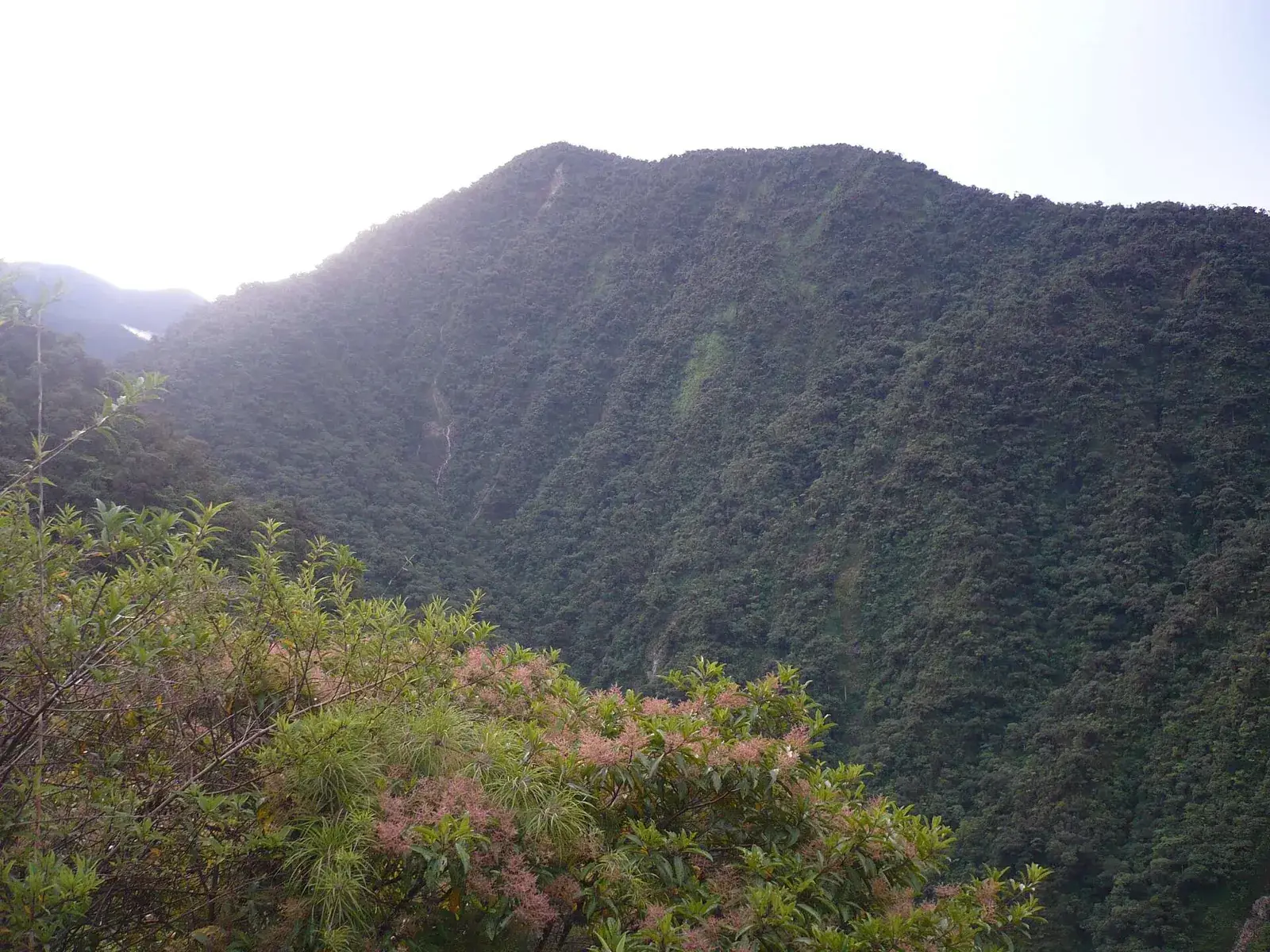
Manu is not a place you reach on your own. The road from Cusco runs through Paucartambo, over a high pass and down through cloud forest to the lowlands, and the first stage takes most of a day. Entry to the heart of the biosphere reserve is only allowed with an authorised operator, so the realistic choice is which tour, not which bus. Allow at least five or six days.
The road down
The standard route leaves Cusco, passes through Paucartambo, a colonial village at the edge of the Andes, then climbs to a pass at about 3,500 to 3,900 m before descending steeply into the cloud forest. The road drops over a vertical distance of more than 3,000 m to the lowlands near Atalaya on the Alto Madre de Dios river. The first day of travel is roughly 8 to 10 hours of narrow, winding, mostly unpaved road with sharp bends and drops. Parts are one lane wide, with fog and waterfalls across the track. The scenery in the cloud forest is the highlight, with the chance of seeing birds such as the Andean cock-of-the-rock at dawn.
For the reserve and its zones, see Manu National Park, and for where tours start, Cusco.
Why you need an operator
The Manu National Park and the wider biosphere reserve protect an area of high biodiversity, and access to the reserved zone is controlled. Visitors enter only with licensed tour operators, and the number of people is limited. Independent travellers can visit the cultural zone and the Manu-area lodges on the way, but not the strictly protected core. This is a feature of the protection regime, not a marketing line, so check that your operator is authorised before paying.
Tours differ in length and in how they travel. The most common are overland from Cusco and then by boat on the river; others fly or drive part of the way. A short trip of a few days will mostly show the cloud forest, while the full lowland experience needs more days. The lowest section of the journey includes boat transfers that depend on river levels.
Alternatives
If you want the Amazon with less effort, Tambopata near Puerto Maldonado is a short flight from Cusco and has well-developed lodges. Manu suits those who want wilder, more remote forest and have the time. The comparison covers both.
Cusco to Puerto Maldonado covers the flight and the road to the other lowland gateway, and where to go in the Amazon places Manu next to Tambopata and Iquitos. Be honest about how much time and discomfort you want: Manu rewards patience, but it is not the easy option.
How long to allow
Allow at least five or six days from Cusco, including the first day on the road and the last day back. Shorter trips exist and concentrate on the cloud forest, with a night or two in lodges on the way down, but they give only a taste of the lowland forest.
Build in a spare day at the end. A landslide, a delayed boat or a missed bus can add hours, and an international flight on the day you return is a gamble. See how much time you really lose travelling to understand why journeys like this should be counted in days, not hours.
Choosing an operator
Ask each company which zones it is authorised to enter, how many people travel in a group, who guides and what medical and communication arrangements are in place. Ask about the transport on the road and on the river, including the age of the vehicles and the boats and whether life jackets are provided.
Compare what is included: lodging, food, transport, guides, park fees and the return journey. A low price may mean basic lodging or a larger group. Read recent reviews from several sources and check the details before paying a deposit. See how to choose a trekking agency for questions that apply equally well to a jungle operator.
What to pack and what to expect
The lowlands are hot and humid, the cloud forest cool and wet, and the high part of the road cold. Layers are essential: a rain jacket, light long-sleeved shirts, long trousers, sturdy shoes and sandals for camp. Insect repellent, sun protection, a head torch and a dry bag for electronics are all useful.
Do not expect mobile coverage for most of the trip, and take any prescription medication you need. Bring enough cash in small notes for tips, as there are few machines in the forest. Lodges are comfortable but simple, and food is basic. Health and vaccines is a starting point, but a travel clinic can give personal advice.
Frequently asked questions
Can I go to Manu on my own?
You can reach the road and some lodges, but entry to the reserved zone requires a licensed operator.
How long does the trip take?
Plan at least five or six days from Cusco. The first day alone is mostly on the road.
Is there a flight to Manu?
Some packages include a small-plane flight for part of the journey, which shortens the road time. Ask the operator.
When is the best time to visit Manu?
The drier months, roughly May to September, are generally easier, as roads are in better condition. The wet season brings landslides and some operators pause departures.
Will I see wildlife?
Manu is rich in species, and many visitors see birds, monkeys and other animals, but sightings are never guaranteed. Longer stays and good guides improve the chances.
Is Manu better than Tambopata?
It is wilder and more remote, but it takes longer and costs more. Tambopata is easier to reach and suits shorter trips. See where to go in the Amazon for details.
Is the road to Manu safe?
It is narrow, unpaved and steep, and accidents can occur. Choose a reputable operator with well-maintained vehicles, and expect fog and rain on the descent. See safety for general advice.